




Anime and Videogames Tighten Ties Through Licensing
By Mark Seavy
Anime and videogames have long been synergistic mediums, but the increasing cross-pollination of their fandoms through brand licensing and collaborations is bringing increased exposure to new franchises in both categories.
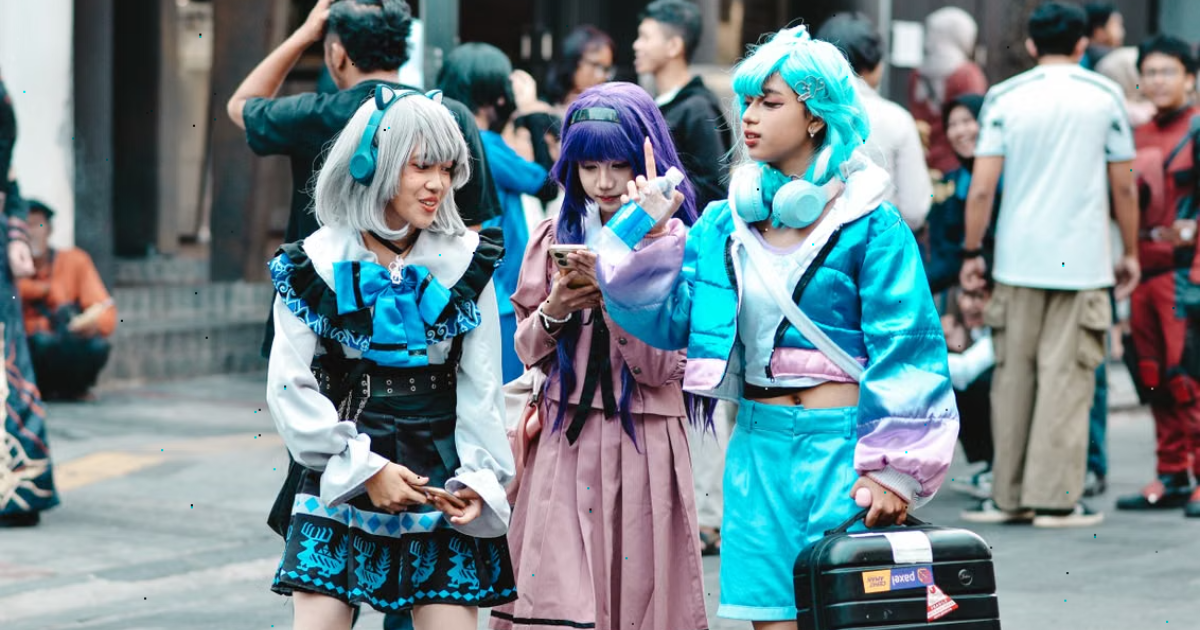
That growing fandom was on display at the recent Anime Expo in Los Angeles, where attendees met top videogame titles and anime properties with equal fervor.
Game developer Krafton’s subsidiary PUBG Studios, for example, highlighted a collab with manga publisher Shueisha’s Naruto for its PlayersUnknown’s Battleground (PUBG) mobile title that is being released on July 9. The PUBG title debuted as a PC game in 2017 before switching to mobile the following year.
Kodansha, which launched Blue Lock manga in 2018, released a collab with the Confederation of North, Central America, and Caribbean Association Football (Concacaf) this past May for the Blue Lock: Diamonds in the Rough online soccer competition while Epic Rights’ Fortnite has collaborated with Naruto, Toho Co.’s My Hero Academia, and Kodansha’s Attack on Titan for in-game activations.
And Viz Media has licensed Secretlab and TT Racing for Naruto gaming chairs as well as Gamma Enterprises’ G Fuel and Gamer Supps for energy drinks and powders.
“It’s only natural to extend anime into gaming as it allows fans to go from a fairly passive experience [with anime or manga] watching a show to a game that allows the player to become a character and interact with the anime world,” said Laura Takaragawa, VP of Consumer Products and Promotions at Viz Media, which handles licensing for many manga titles, including Naruto.
Some of the most successful titles in anime (like Pokémon and Sonic the Hedgehog) came from gaming, and the impact videogame collaborations have had on the category in terms of targeting an older demographic “has been bigger than ever,” said Marc Harrington, a Business Development executive at Sony’s Aniplex of America. In fact, Newzoo’s recent Global Games Market Report found that there are 3.6 billion active videogame players across every platform and a significant percentage of them are Millennials (30-45 years old).
These crossovers have helped anime ward off what some industry observers have viewed as a saturation of content—an argument grounded in concern over whether there is enough variety of content to sustain growing interest in anime. There has been criticism of some publishers, for example, for an overreliance on a few genres, which has led to a lack of diversity and originality. But other industry executives point to new genres emerging that move beyond the standard action/adventure titles and create opportunities to connect with new demographics.
This includes some titles in the shojo pop genre (female-targeted content) like Kodansha (manga) and Crunchyroll’s (anime) Witch Hat Atelier; Crunchyroll (streaming) and Shogakukan’s (manga) Frieran; and Viz Media’s NANA, Takaragawa said. Viz also premiered the first episode of the new Black Torch anime series and has signed licensing agreements for apparel and collectibles. In further expanding, Viz launched a sci-fi manga, GalaXic Baseball League, featuring Major League Baseball’s Los Angeles Dodgers star Shohei Ohtani and the New York Yankees’ Aaron Judge and Jazz Chisholm.
In addition to reaching new consumers through videogames, anime is rapidly expanding through location-based entertainment (LBE) offerings.
Naruto, for example, is featured in Media Toon’s Parc Spirou Provence theme park in Monteux, France and has been the subject of a 60-city symphony tour. Shueisha’s Hunter x Hunter was featured in interactive experience developer Scrap’s escape room at Round One Entertainment in Los Angeles from February 20-April 19. And Viz debuted a Bleach art exhibit during Anime Expo at the Japanese American Cultural & Community Center in Los Angeles.
“Anime fandom is very intense, and community is a key factor in that emotional connection,” Takaragawa said. “Fans use any excuse to show off their fandom, cosplay as their favorite characters, and meet others that share their love of the art. LBE is a natural evolution of licensing in anime.”