



The Key to Aging Up an IP
An Executive Voices Blog by Kim Boyd, President of Global Licensing and Entertainment at Hasbro
Kidults (adults who consume media and purchase products traditionally intended for children) are driving revenue around the world. In fact, Circana recently reported that kidult consumers in Europe were responsible for $4.8 billion in toy sales in 2025, accounting for 28.5% of the region’s toy market.
To more effectively connect with this growing demographic, many IP owners are aging up their beloved brands.
Aging up a brand in entertainment starts with a simple truth: audiences don’t outgrow great stories, but they do expect more from them over time. The opportunity isn’t to reinvent the brand, but to uncover new layers and bring them forward in ways that feel more nuanced, more relevant, and more in step with culture.
For Hasbro, we always start with the brand’s core truth. Why do fans love this brand, and what’s kept it relevant across generations? From there, it’s about deepening that connection, not forcing it in a new direction. This can take different forms, including more cinematic storytelling, serialized formats, or new entry points through digital and immersive experiences. The format may evolve, but the storytelling has to remain true to the brand and meaningful to its audience.
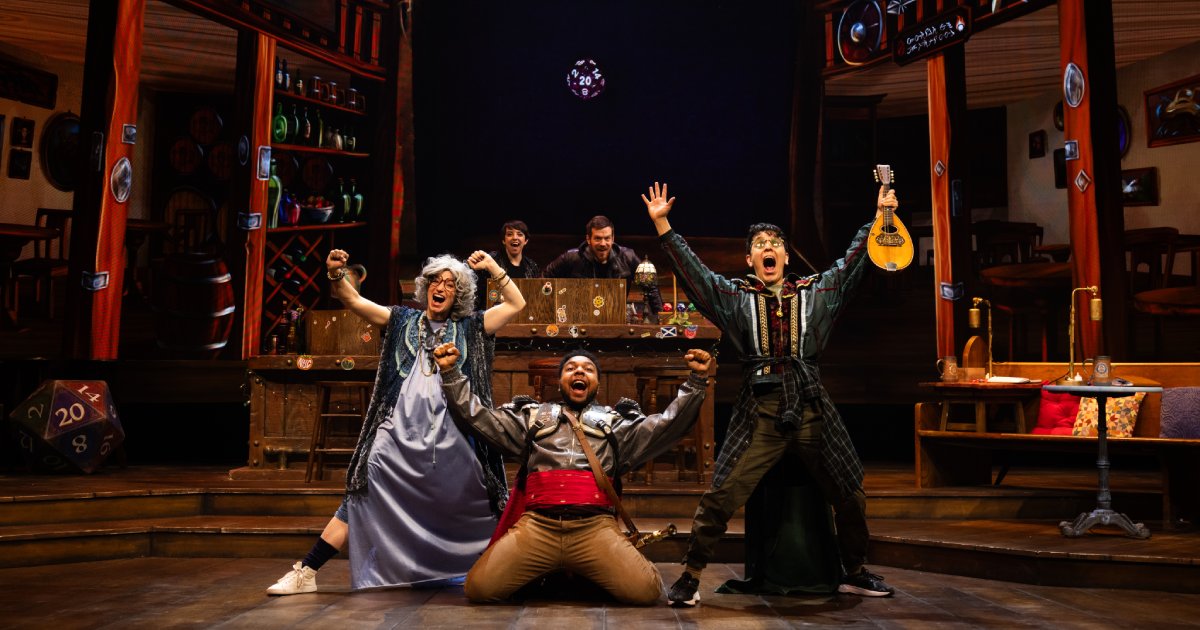
You can see that approach across our portfolio. Dungeons & Dragons is expanding into premium live-action storytelling, for example, while MAGIC: THE GATHERING is building a broader entertainment universe that reflects the depth fans already know from the game.
But none of this happens in a vacuum. Entertainment needs to work alongside toys and games, licensing, and digital gaming to deepen fandom. Because, at its best, entertainment gives these fans a reason to stay, connecting nostalgia with discovery while showing that a brand can evolve without losing what made it resonate in the first place.
In licensing, aging up is about raising the bar.
We’re seeing strong growth in categories like fashion, home, and experiences, along with more curated assortments of collectibles, trading cards, and premium products as well as culturally relevant collaborations. That shift calls for a different approach, from design and materials to partner selection and retail strategy.
It’s about creating fewer, better expressions of the brand that actually fit into how people live today. The product has to stand on its own and should feel like something consumers would choose, not just something that signals fandom. Storytelling plays a big role here as well. When a brand has depth, it creates a foundation for more differentiated product.
To age a brand up effectively, however, you need to be specific about the demographic you’re targeting.
This starts with understanding where authentic engagement already exists. In many cases, that’s the audience who grew up with the brand and never really left; they’ve just found new ways to engage. From there, we look at behavior. Where is the brand showing up organically? How are fans interacting with it across platforms and categories? Those signals usually point to where there’s real opportunity.
There’s no one-size-fits-all model. Some brands have a built-in multigenerational audience, while others expand more gradually through adjacent spaces like fashion, music, or collectibles. The goal isn’t to chase a specific age group, it’s to understand where the brand has permission to show up and build from there.
But not every brand is built to stretch in this way. If a property has a very narrow premise or limited flexibility in tone or storytelling, it can be harder to extend it credibly to an older audience.
One of the biggest challenges is balance. Lean too heavily on nostalgia and it can feel stuck. Push too far and you risk losing the trust of the audience that made the brand successful in the first place. There’s also the question of demand—not every fan is looking for a more mature expression, and not every brand needs one. When it’s forced, it shows. The way through that is discipline—you have to be clear on what’s essential to the brand and build from there.
Ultimately, aging up a brand creates more ways for it to grow. It opens up new categories, partnerships, and platforms that wouldn’t be accessible otherwise.
It also changes the nature of engagement. As fans get older, they tend to engage more deeply. They collect, they show up for experiences, they share, and, increasingly, they create. That kind of participation builds stronger communities and keeps the brand relevant over time. And when a brand connects across multiple life stages, it’s less dependent on a single audience or category. It becomes a more flexible, more durable ecosystem.
G.I. JOE and MONOPOLY are two good examples of very different approaches, both done well.
With G.I. JOE, the focus has been on heritage and premiumization. The Classified Series elevates what fans have always loved through designs, details, and storytelling that resonate with collectors. At the same time, the brand is stretching in more unexpected ways. For example, last year’s Cold Slither activations brought a deep-cut piece of lore to life through live concerts, a vinyl release, and product extensions. It tapped directly into fan nostalgia, but delivered it in a way that felt fresh, immersive, and culturally relevant.
MONOPOLY takes a different path. Instead of evolving the tone, it evolves the context. Through fashion and lifestyle collaborations, co-branded editions tap into specific fan communities. MONOPOLY: Dollywood Edition, streetwear drops like Nike x LeBron James, and experiential extensions like MONOPOLY Lifesized allow the brand to show up in ways that feel more culturally and socially relevant for adult audiences. It shifts from something you play occasionally to something you encounter in everyday life.
But neither brand is trying to become something it’s not by growing its engagement with older demographics. And that’s really the takeaway.
Aging up isn’t about changing the brand, it’s about understanding where it has permission to stretch and doing it in a way that feels natural to both the IP and the audience.