



Why U.K. Museums Are Becoming Licensing’s Safest Bet
By Steve Manners, U.K. Managing Director for Licensing International
When the British Museum takes a stand at Brand Licensing Europe in London this October, it will be showing off new collaborations and a growing character IP roster—most notably Bastet, the museum’s cat guardian, drawn from the Gayer-Anderson Cat bronze in its Ancient Egyptian collection. It’s a small signal of a much bigger shift: U.K. museums and heritage institutions have quietly built some of the most resilient licensing programmes in the industry, and it’s worth asking why they work so well.
It starts with trust. A national collection carries centuries of credibility that no amount of marketing spend can replicate. Consumers today are quick to spot a manufactured story; a heritage brand doesn’t need one, because the story is already the collection itself. That authenticity converts directly into permission to put a museum’s imagery on a China collection, wallpaper, or apparel range and have people believe it belongs there.
It also converts into staying power. Where an entertainment licence rides the peaks and troughs of a release calendar (strong one year, declining the next), a museum’s IP doesn’t need a sequel to stay current. The collection simply exists, permanently available for reinterpretation, which is exactly why retailers and manufacturers building multi-year product ranges find heritage licensing such a comparatively low-risk category to commit to.
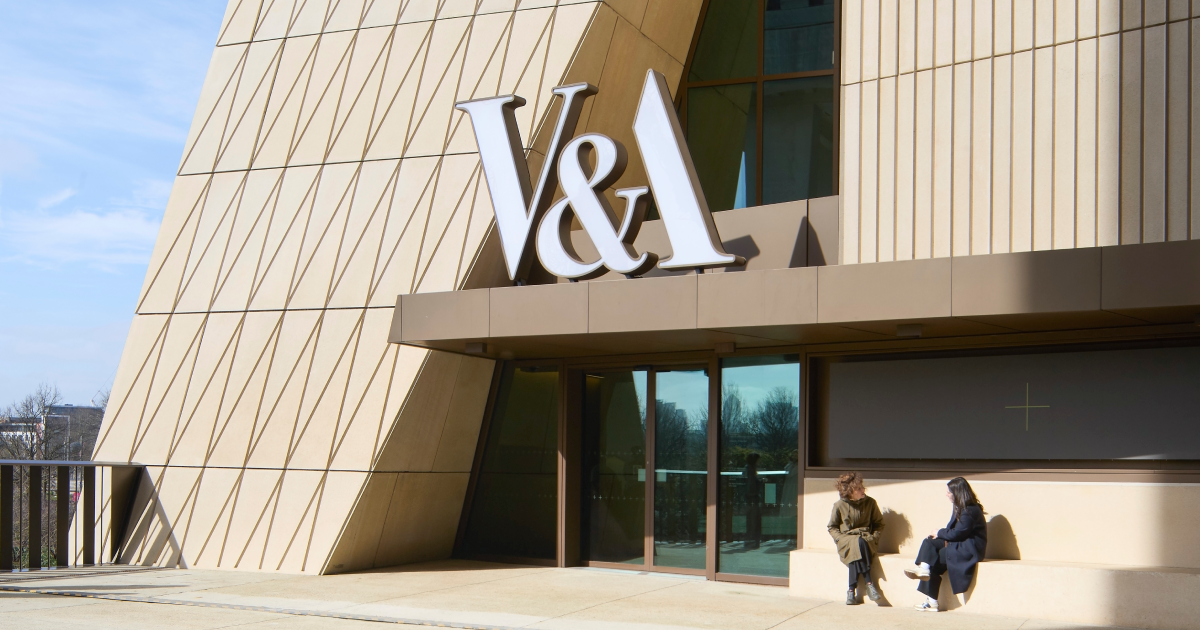
What’s changed more recently is the ambition behind these programmes. The V&A’s licensing operation, now in its third decade with around 85 partners spanning the U.K., Europe, APAC, and the U.S., treats design heritage as a serious commercial engine rather than a gift-shop sideline. The Natural History Museum has built its own bespoke style guides straight from its archive, pushing into homewares, food and drink, children’s games, and arts & crafts. Both are proof that a well-run heritage licensing programme can compete for shelf space with any character or entertainment brand, on design quality alone.
The next chapter looks even more interesting. Licensing is no longer confined to physical product; museums are threading it through exhibitions, digital collections, and location-based experiences, so a licensed range and a visit reinforce each other rather than sitting in separate silos. And a younger audience that might once have overlooked heritage brands is now actively seeking them out, provided they arrive with a contemporary twist. This could include archive prints reworked for streetwear or unexpected gaming crossovers—collaborations that treat centuries-old collections as raw material rather than relics behind glass.
None of this means heritage licensing is without its challenges. Institutions must balance commercial ambition against curatorial integrity, and not every collection lends itself to reinterpretation as easily as the British Museum’s or the V&A’s. Get that balance wrong and a range can feel like merchandise for merchandise’s sake. Get it right, and the product becomes a valuable extension of the museum, connecting with consumers and extending their relationship.
That’s arguably the real opportunity for the wider industry to watch. As retailers and manufacturers look for licensors that can commit to long-term, considered ranges rather than short-lived tie-ins, U.K. museums are demonstrating what that discipline looks like in practice.
The direction of travel is clear: as the industry keeps searching for IPs that consumers instinctively trust, U.K. museums are proving that history, handled well, might be one of licensing’s most future-proof categories.