


The New Leagues’ Licensing Playbook
By Mark Seavy
As new professional sports leagues expand, the challenge moving forward will be gaining the consumer interest needed to support brand licensing.
And while these leagues in many cases have the needed exposure via multiple content sources—and though licensing is being deployed earlier in brand-building strategies—whether that translates into sales is not yet known, executives said at Licensing International’s recent Sports Licensing Summit.
At a local level, there is almost certainly enough support for teams and players to break through with fans. And, in many cases, that threshold has already been crossed.
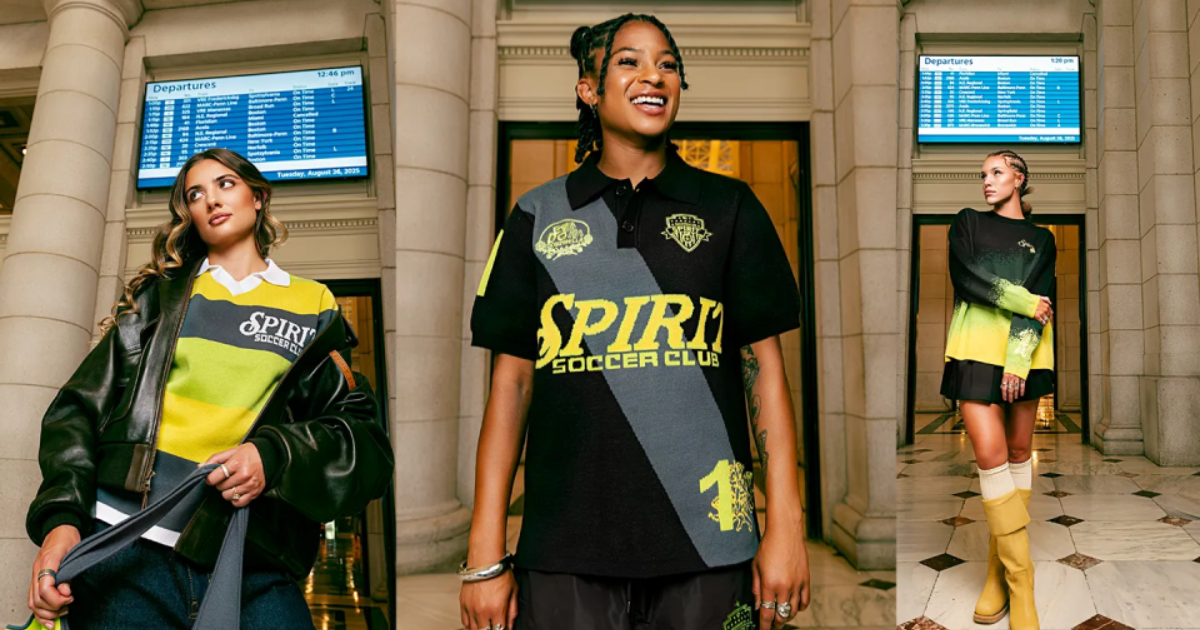
The 325-store Pacsun chain, for example, is launching an apparel collection this summer with Angel City FC of the National Women’s Soccer League (NWSL). Print-on-demand supplier 500 Level, meanwhile, has an agreement with NWSL for the league’s teams and has the entire Orlando Pride roster available.
“There is definitely an opportunity with the new leagues, but it’s also a question of whether there are players that will help them break through enough for licensing so that we can carry the product,” said Richard Cox, Chief Merchandising Officer at Pacsun, which is expanding with new locations opening in the Middle East, starting with Dubai, United Arab Emirates in May. “It is a question of is the customer asking for it and what is the visibility out there as far as social media and do they [the products] appeal to both genders. It also depends on what sport is it, where they [the players and team] are based, and what are some of the things that we are already selling so this will fit naturally in our business.”
The question of customer demand is of interest across the board, with leagues, teams, players, licensing partners, and retailers all working to create fan bases large enough to drive sales.
Dick’s Sporting Goods, for example, carries NWSL jerseys in local markets on a select basis. And NWSL players Croix Bethune, Courtney Brown, Hal Hershfelt, Aubrey Kingsbury, Chloe Ricketts, and Heather Stainbrook launched a streetwear collection (crewneck sweatshirt and zip-up jackets) last October with designer Domo Wells’ Dead Dirt label under a multiyear licensing agreement with the NWSL. Bethune also appeared at the ComplexCon show in Dead Dirt apparel.
And League One Volleyball, which operates both professional and club leagues, has produced bracelets and t-shirts and recently signed a licensing agreement for handbags, said Michelle McGoldrick, Chief Business Officer at League One. League One also has an Athlete Council designed to make decisions regarding uniform designs and other products, she said.
This engagement with athletes, in particular, has resulted in products that are connecting with consumers, and the more established leagues are taking cues from these emerging strategies.
The Ladies Professional Golf Association LPGA), for example, launched a Peanuts (Lucy, Snoopy) licensed collection with Streaker Sports last fall that included sweatshirts that have been sported by pros like Lydia Ko and Danielle Kang, a rare departure for golfers typically limited to sponsor-supplied apparel. The LPGA also has a licensing agreement with Sanrio for Hello Kitty, Kuromi, and My Melody characters.
“Our athletes typically haven’t been interested in what we have sold, and this really hadn’t been done before [because of the sponsorship restrictions],” said Andrew Ansel, Director of Merchandising and Licensing at the LPGA.
But leagues and sports that have been growing rapidly have to be careful not to outpace their audience when it comes to licensing, said Tom Neale, the owner of a 16-facility franchise for the Picklr pickleball court centers in the Northeast U.S. The Picklr, which is owned by Pickleball Inc., has sold franchises for 500 locations, 62 of which have opened with another 75 under construction.
There are about 80 Picklr franchisees but licensing has been limited thus far. Neale, however, struck a co-branding agreement for hydration products. Parrot Paddles, meanwhile, has a licensing agreement with the National Hockey League for branded pickleball paddles and covers. And Franklin Sports has an endorsement deal with pickleball pro player Anna Leigh Waters.
“I think pickleball has a strong strategy based on where the growth is [for the sport],” Neale said. “For me, the money right now is in the masses and that is in the amateurs and the rec leagues.”