



Australian Toy Fair 2026 Signals a Confident New Phase for Licensing
An Executive Voices Blog by Lisa Sweeney, Australia Managing Director for Licensing International
The 2026 Australian Toy, Hobby & Licensing Fair has left the industry with more than product ideas and order books. It created a sense of momentum.
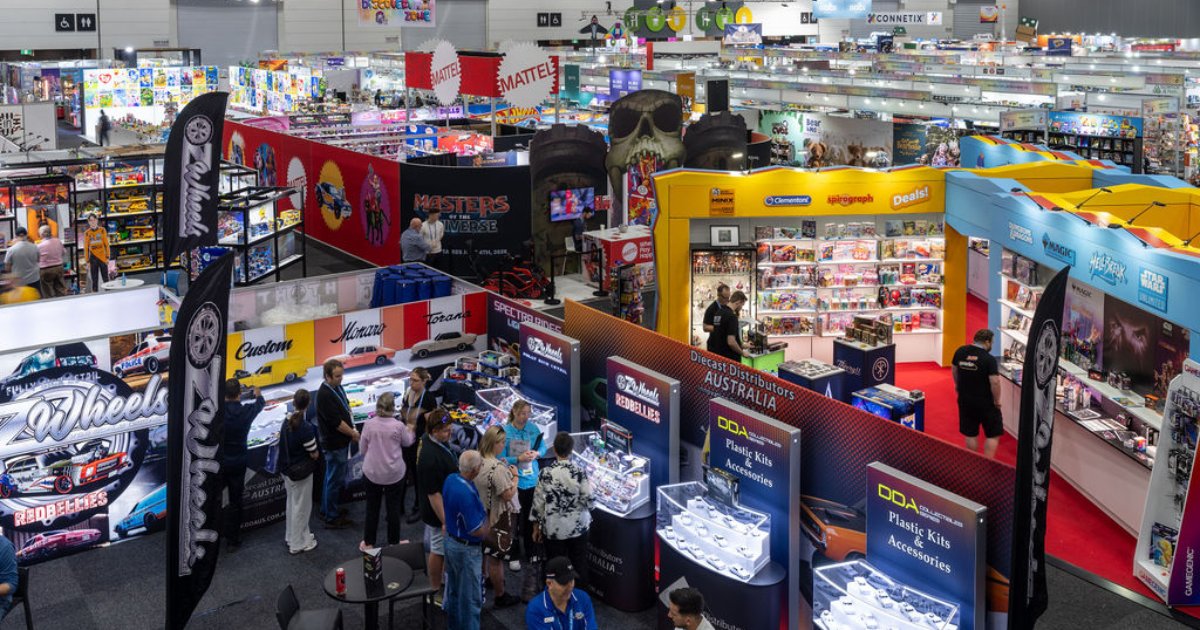
Held from 1 to 4 March at the Melbourne Convention and Exhibition Centre, the trade-only event once again brought together buyers, retailers, licensors, licensees, manufacturers, and agents from across Australia and beyond, reinforcing its role as one of the most important dates on the local industry calendar. The Australian Toy Association positions the Fair as a key marketplace for the sector, with exhibitors showcasing to thousands of retailers and industry professionals.
For brand licensing professionals, the clearest takeaway is that licensing was not simply present—it was central to the commercial conversation. Across the show floor, in the awards, and in the wider industry commentary coming out of Melbourne, licensed properties were front and centre. Public posts from attendees and partners pointed to strong energy around both established and emerging brands, underlining how licensing continues to shape retail strategy, product development, and consumer engagement in Australia.
One of the strongest signals came through the 2026 ATA Awards, where Bluey once again dominated, winning Infant/Pre School License of the Year and Overall License of the Year. Heather Somers of BBC Studios was also named Rising Star, adding another layer to what was a standout result for the team. The broader awards results also reflected the diversity of demand in the market. Minecraft won Children’s License of the Year, Hello Kitty and Friends took home Kidult License of the Year, and Peter Rabbit won Boutique License of the Year. Together, those results paint a picture of a healthy and varied licensing market, with strength across preschool, children’s, kidult, and heritage properties.
Success at the event goes far beyond trophies, however.
Brand owners used the Fair to build excitement around expanding consumer products program, with public coverage highlighting new partnerships, broader category expansion, and new offerings—including a Bluey movie-themed activation on the concourse.
That exposure matters because it shows how leading properties are using Toy Fair not only to celebrate current success, but to build the next phase of growth through product, storytelling, and retail visibility.
The atmosphere of the Fair itself also tells an important story. In ATA communications during the event, the organisation described strong feedback from exhibitors and attendees, electric energy across the halls, and a sense of inspiration and connection that comes from having the industry together in one place.
Mainstream media attention, including coverage by major Australian outlets, added to that momentum and helped shine a wider spotlight on the sector’s creativity and innovation. These are the kinds of signals that matter, because they reflect an industry that is not standing still, but actively building confidence and visibility.
The Women in Toys, Licensing, and Entertainment breakfast was another standout moment, drawing 200 attendees and showcasing the depth of leadership and talent across the industry.
As Alice Sanderson, Executive Manager of the ATA, noted, this was the first time since COVID that the Fair had been a sellout event, and it was exciting to see the industry again on a growth trajectory. That observation captures the deeper significance of Toy Fair 2026—this was not just a successful event, it was a marker of recovery, resilience, and renewed ambition.
There is a strategic lesson in all of this for the licensing community.
The brands that stood out in Melbourne were not only strong properties, they were IPs that were supported by coordinated partnerships, visible activations, and a clear understanding of where consumer demand is heading. Whether the conversation was around Bluey, Minecraft, Hello Kitty and Friends, or emerging momentum behind newer properties, the message was consistent—success in licensing depends on timing, collaboration, and the ability to translate cultural relevance into retail action.
Toy Fair 2026 showed an industry coming together with confidence. The Australian market is not simply active, it is evolving, growing, and giving licensing an increasingly visible role in what comes next.