



The Importance of Collaborations Between Attractions and Cruises
An Executive Voices Blog by Jakob Wahl, President and CEO of IAAPA
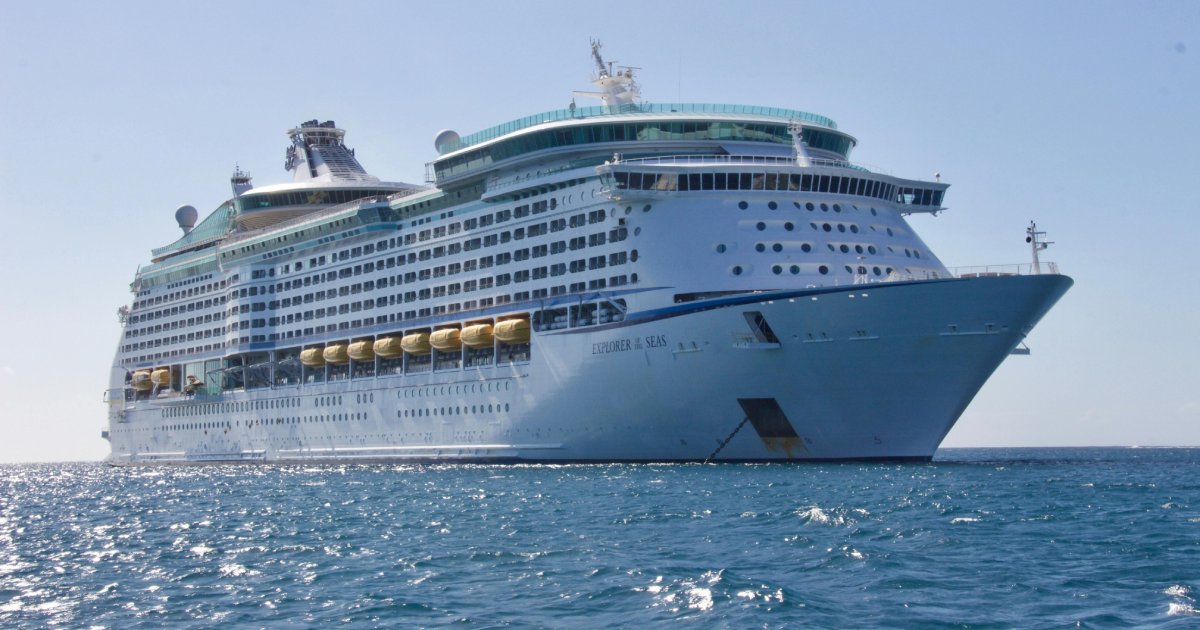
The rising tide is quite literally lifting all ships as the attractions industry and the cruise industry increasingly collaborate.
The current landscape for both industries is dynamic and constantly evolving, shaped by changing consumer preferences, technological advancements, and global challenges. Key trends in 2026 include the increased use of intellectual property, themed accommodations, technological Integration, seasonal events, and a growing focus on sustainability.
Increasing collaboration is also important because executives in both industries face many of the same challenges. These challenges stem from operational complexities as well as external factors like economic and environmental pressures. Key challenges include:
Demand for Personalization: Consumers increasingly expect tailored experiences, requiring executives to invest in data-driven personalization strategies.
Increased Competition: There is an incredible number of players in the market fighting for guests’ time and budgets.
Regulatory Compliance: Stricter environmental regulations, such as emissions standards and waste management requirements, demand significant investment in sustainable technologies and practices.
However, professionals across the attractions and cruise industries are also looking to take advantage of similar opportunities in their respective businesses.
For example, the growing demand for escapism. Consumers are bombarded every day with breaking news from around the world. Geopolitical tensions, extreme weather conditions, and economic uncertainty dominate the headlines. In response, both industries can offer distraction through carefree and fun environments.
Consumers are also looking for connection. Recent research shows that more than 70% of people suffer from loneliness. In a period dominated by screens and artificial intelligence, experience-based entertainment offers something truly irreplaceable- shared, real-world sensations and authentic human connection. Whether on land or sea, both industries thrive on bringing people together to connect, explore, and create lasting memories.
And, after guests enjoy those experiences, there are also opportunities to continue that engagement through social media. Millennial and Gen Z travelers are seeking unique, Instagram-worthy experiences. Attractions and cruises can design offerings that cater to their preferences, such as adventure activities, social media-friendly environments, and shorter, more flexible itineraries.
To take full advantage of these opportunities, executives in the attractions and cruise industries are strengthening their relationships.
By working together, they can create synergies that enhance customer experience, drive innovation, and improve operational efficiency. Collaboration enables both industries to tap into each other’s customer bases, reaching new demographics and expanding their market reach.
Partnerships also allow companies across both industries to work with and learn from new creatives, vendors, show producers, and other experts. Similarly, collaboration creates opportunities to benefit from each other’s technological advancements—such as special experiences, smart ticketing systems, and personalization—to enhance customer satisfaction.
Cruise lines often operate internationally, and partnerships with local attractions can help them offer unique, destination-specific experiences that appeal to global travelers. And, by collaborating with local communities, cruise lines and attractions can create authentic, culturally rich experiences that benefit local economies and foster goodwill.
Moving forward, a number of trends are driving continued growth across the two industries. These trends include:
Leveraging Technologies: Advanced analytics and artificial intelligence are being used to personalize customer experiences, from tailored itineraries to customized attraction visits. Data-driven pricing models allow cruise lines and attractions to optimize revenue while offering competitive rates to consumers. Using data to understand traveller preferences enables businesses to create targeted marketing campaigns and improve offerings. Additionally, cruise lines and attractions are adopting smart technologies for ticketing, crowd management, and real-time analytics to improve efficiency.
Wellness and Mindfulness Tourism: Cruise lines are offering wellness-focused itineraries, including yoga retreats, spa treatments, and mindfulness workshops. Attractions emphasizing relaxation and connection with nature—such as botanical gardens and adventure parks—are also gaining popularity. And experiences that promote mental well-being, such as digital detox packages and stress-relief programs, are appealing to health-conscious travellers.
Loyalty Programs: Cruise lines and attractions are developing robust loyalty programs with exclusive perks and rewards to encourage repeat visits. Customer feedback is also being used to improve offerings, growing customer satisfaction and loyalty. This is important because providing outstanding service builds trust and long-term relationships with consumers.
And less a trend than a new focus for the attractions and cruise industries moving forward is the investment in sustainable technologies like energy-efficient ships, renewable energy sources, and eco-friendly infrastructure. Cruise lines and attractions are adopting carbon offset programs and aiming for net-zero emissions to appeal to environmentally conscious travellers. Recycling, waste reduction, and sustainable sourcing are being integrated into operations to minimize environmental impact. And, by offering nature-focused excursions as well as supporting wildlife conservation programs, sustainable attractions are becoming increasingly popular.
By working together, the attractions and cruise industries can overcome their shared challenges and take full advantage of new opportunities. In addition to meeting the evolving needs of consumers, these collaborations will continue to push the business forward and expand growth.
The largest trade association for amusement parks and attractions, the International Association of Amusement Parks and Attractions (IAAPA) unifies the attractions community; inspires growth, learning, and collaboration; and strives to promote the highest professional standards for excellence and safety for attractions around the world.