




Designing Products with End of Life in Mind
An Executive Voices Blog by Emma Grace Bailey, Director of Sustainability at Future Snoops
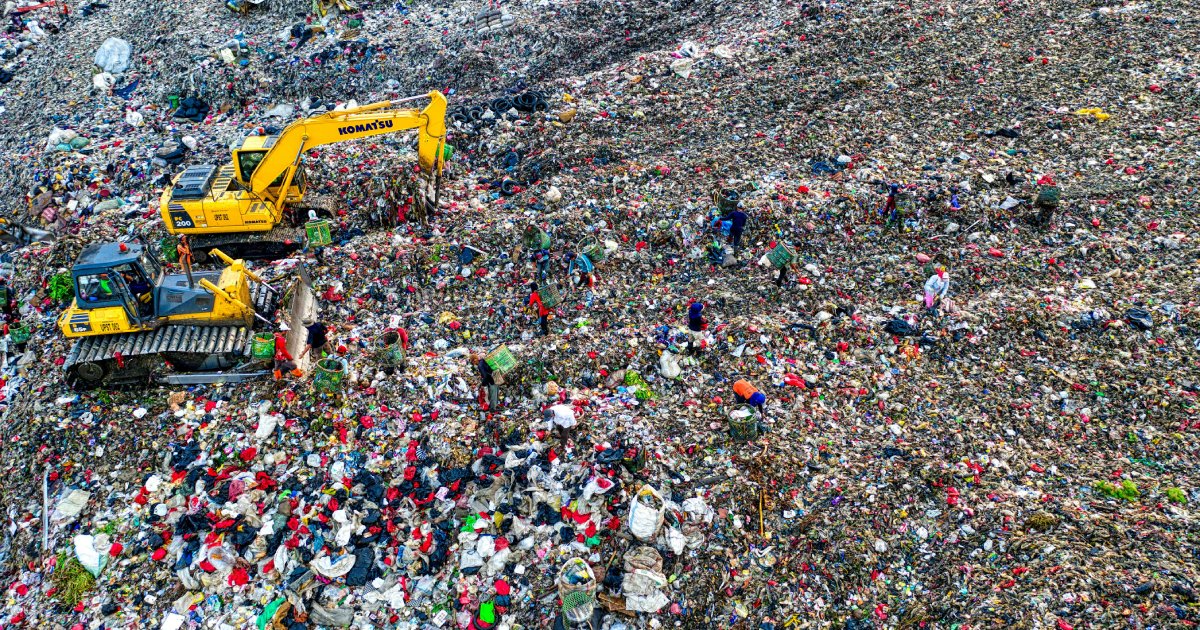
Today’s products are often made for short-term use and disposal. Each year, we remove over 100 billion tonnes of raw materials from the planet, most of which is used only once before being thrown away. Despite a push for circularity, the use of virgin materials continues to rise, with its use is expected to increase by 60% by 2060 if nothing changes.
The mass extraction of raw materials is depleting our planet and the natural systems we rely on to survive. Reduced habitat diversity, deforestation, and exhausted soil networks threaten ecosystems, species, human, and planetary health. Without rethinking the design process to work with, not against, these systems, we risk accelerating climate change and the future of businesses that rely on a functioning biosphere to operate.
Designed to Break Down
One issue is the growing practice of built-in obsolescence, a design principle that sees products purposefully designed to break, wear out, or stop working at a specific time. This is particularly prevalent in the tech sector, with 62 million tonnes of e-waste generated in 2022 alone. In 2024, for example, Microsoft ended support for Windows 10 systems, rendering around 400 million perfectly functional laptops unusable overnight.
Style obsolescence is different, however. Launching new versions of the same product and marketing the latest styles and trends makes what people already own less desirable, even if it’s still functional. This type of obsolescence is almost a pre-requisite in the licensing industry.
But with an estimated 99% of products obsolete before they should be, consumers are becoming frustrated. A sense of distrust is growing—distrust in brands, in the system, and in the products they buy. The financial and environmental implications of frequent upgrades and product replacements are starting to wear thin, with some estimates putting the lifetime cost of planned obsolescence at €50,000 per person.
A Regulatory Overhaul
With waste mounting up, legislation is being enacted to bring the end-of-life of a product into focus. This refers to what happens to a product when the consumer no longer wants it. Where does it go, who is responsible for it, and how are those resources brought back into the supply chain?
Extended Producer Responsibility (EPR) regulation has been adopted in at least 60 countries worldwide, with a focus on packaging, electronics, and, more recently, textiles. EPR transfers the cost and responsibility of waste management to the manufacturer of the product, with some countries offering reduced fees for easier-to-recycle designs.
Germany, for one, is reportedly considering a new law that would force fast fashion brands selling in the country to financially contribute to the rising costs of clothing collection and disposal. According to GWP, EPR will add £2 billion of extra costs to U.K. businesses alone.
Right to Repair regulation is also tackling the end-of-life for products. Right to Repair mandates that manufacturers make spare parts, repair manuals, and diagnostics tools available to consumers and independent repair centres, as well as offering repairs in a reasonable timeframe and at a reasonable cost. While the focus is on electronics and white goods to start, clothing and textiles are next in line, especially within the EU.
A New Era of Design
To navigate changing legislation, licensing professionals must start at the beginning, embedding an end-of-life mindset into the design process.
For product design, the aim is to create items that return to the earth as nutrients for the next cycle of life. Specialist NFW is a master of this craft, offering a range of materials made from natural rubber, plant oils, waxes, and pigments. When disposed, these materials safely degrade in soil, but last long enough for products to be worn time and time again.
For packaging, Vivomer from Shellworks marks a turning point. Made from microbes, this plastic-like but plastic-free material degrades like food waste yet is functional and stable in use. Beauty brands such as Wild, Hair by Sam McKnight, and People Care Planet Care are already onboard.
Where nutrient design isn’t possible, products should be monomaterial and designed for disassembly. The former means every part of a product is made from the same material, making it easier to recycle at the end of life. The latter means different materials can be easily taken apart, increasing their chance of being reused.
Freitag’s latest bag—the Mono[PA6] Musette—offers both. All 14 parts are made from polyamide 6. The bag can be taken apart for repairs, a service offered by the brand, while the whole product can be melted down and turned into pellets to make something new.
Everlane’s EverPuff is similar. Framed as an item designed for longevity and circularity, the jacket can be disassembled for repair and replacement. And the company offers a fully connected end-of-life plan through its Re:Everlane platform. This investment in the system, not just the product, is the future of design.
Making the End Count
That type of system change is key to making end-of-life design work. A product can be designed with the best intentions, but if the systems to collect, sort, repair, reuse, and recycle it aren’t in place, the product will still end up in landfill.
It’s also a missed opportunity. When customers are left with the burden of disposal, it leads to feelings of guilt, frustration, and abandonment. But by engaging at the end, brands boost customer satisfaction and gain access to a wealth of data to improve product design. If a product has broken when it shouldn’t, didn’t work as planned, failed to meet expectations, or didn’t reach the intended waste stream, you will know. These insights are valuable and can lead to future innovation that improves the product experience.
When brands don’t design a clear end-of-life plan, this risk extends beyond waste—it touches brand integrity, compliance, and long-term value. Products tied to characters, franchises, or cultural moments can quickly become liabilities for all parties. Designing with end-of-life in mind protects the story as much as the product.
Ultimately, a product’s life cycle doesn’t stop at the point of sale. When brands take responsibility for what happens next, they reduce waste, strengthen customer trust, and create feedback that leads to better products.
Future Snoops is a leading trend forecasting agency helping brands and creators anticipate change and build resilient, future-ready businesses. The team provides expert trend forecasting, consumer insights, and strategic foresight across fashion, beauty, home, and other consumer-facing industries. Future Snoops’ platform combines human expertise with proprietary AI tools to identify emerging trends, explain why they matter, and translate insight into commercial impact.