



Retail Brands Expand Distribution
By Mark Seavy
Traditionally, retailers looking to expand have opened new stores. But many chains have recently been focused on wholesale distribution of their own brands as they seek less costly means for growth.
Build-A-Bear, for example, which operates 333 stores, recently signed an agreement to sell a variant of its four-inch micro mini beans in three- and six-packs through 1,500 Walmart stores. The deal is the first time Build-A-Bear has sold via wholesale and joins other strategies that have included pop-up shops on Caribbean Cruise Line (2016) and at Major League Baseball stadiums where they featured team mascots (2004).
The 195-store David’s Bridal, meanwhile, has gone the licensing route with a 50-piece collection it will develop and sell through boutiques under wedding gown designer brands Vera Wang (2011), Oleg Cassini (2025), and Viola Chan (2013), all of which it had previously only carried in its own locations.
Crocs, well known for its footwear featuring inbound licensing, has licensed out its brand to pet products supplier Bark for beds, chew toys, footwear, and other products. And Ross Stores has been carrying Authentic Brands Group’s Forever 21 as that brand’s retail store presence shrinks.
“It is much cheaper to expand through Walmart [or another retailer] than to open more stores,” said Eric Beder, Founder and Head Analyst at Small Cap Consumer Research. “Investors are not excited about companies that already have a significant store base opening more locations. They want growth online and asset light and the easiest way to do that is a collaboration or wholesale.”
The trick in entering the wholesale landscape is to avoid competing with an existing business. Crocs, for example, does not sell pet products and while fashion brand Vince has 44 locations and 14 outlets, it has nowhere near the distribution that the label gains through 397-store Nordstrom. Vince has been a staple of Nordstrom since 2003, but nine years ago narrowed retail distribution to Nordstrom and Neiman Marcus.
Build-A-Bear, meanwhile, features the experience of having a bear built in its store against buying a multipack at Walmart. And there may be markets where there are no Build-A-Bear stores, but several Walmart locations.
“Build-A-Bear has talked about bringing the brand to retail for many years and it is as much about the experience as the ultimate product,” said Debra Joester, President of The Joester Loria Group. “How they continue to do that at Walmart without the experience is going to be interesting. And the bridal category is one those rare businesses where you have the bride for a moment—she spends money and needs a lot of attention and then is gone forever.”
Additionally, there are eCommerce retailers that, in addition to now opening brick-and-mortar locations, are extending their brand into wholesale.
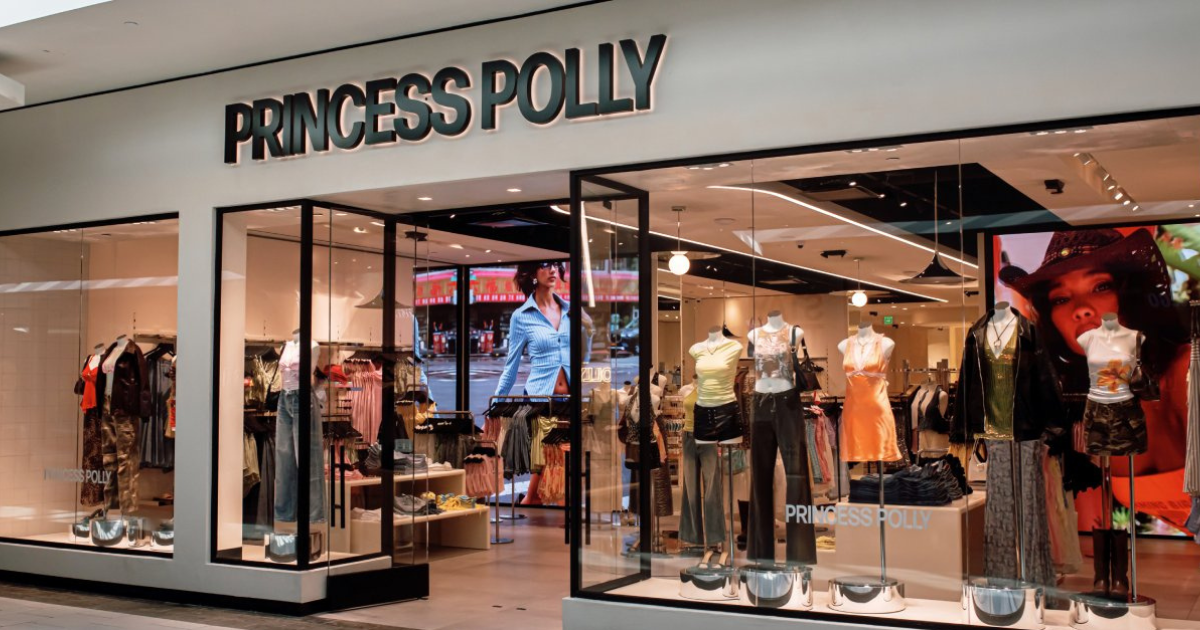
Australian fast-fashion brand Princess Polly (which targets 16- to 29-year-olds) is expected to have 22 branded stores by early 2027 but also sells through 20 Nordstrom locations. And fellow Australian fast-fashion brand and online retailer Petal & Pup operates store-within-store formats at Nordstrom and recently added Von Maur (40 stores) and Dillard’s (271) to the mix.
This growth in wholesale distribution by retail brands comes as the U.S. market becomes more saturated with collaborations, something many industry experts believe consumers are increasingly inured to.
“The collaborations are no longer special, and it is just another arrow in you quiver to increase sales,” Beder said. “There are very few that drive people into the stores and produce brand equity for the other brand. It just is not as much of an event anymore.”