



People Profile: Johanna Sullivan, Founder & Principal at BEAM Strat Group
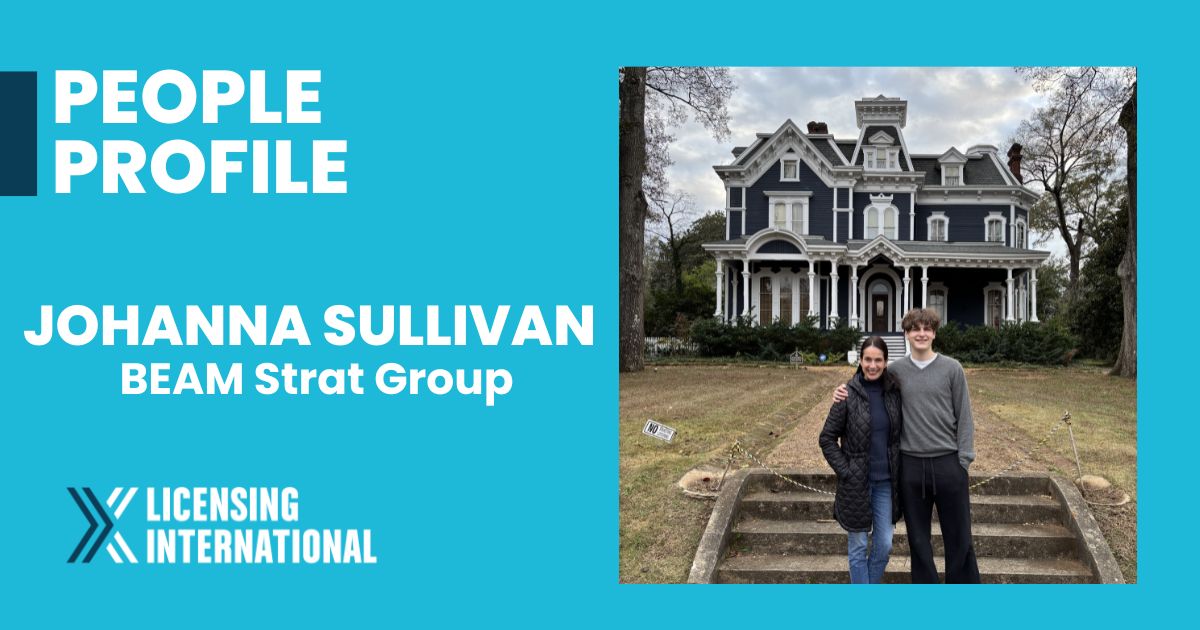
This photo was taken at Vecna’s house from the Netflix series Stranger Things.
The global licensing community is powered by an incredible group of professionals whose diverse backgrounds and creative energy drive innovation and excellence. Each week we profile one of these professionals in this ongoing series.
How did you get into licensing (or how did licensing find you)?
Partnerships and licensing found me through a winding path. I started at Turner Broadcasting, working in marketing and brand management for the Latin America region. From there, I moved into channel management at Coca-Cola in Brazil. When I relocated back to Atlanta, an opportunity in licensing opened up. I stepped in without fully realizing I was stepping into a long-term calling. Once I did, I was completely hooked. Understanding a brand’s DNA and seeing where it can extend naturally into new categories, channels, or markets is what energizes me. Licensing sits at the intersection of strategy, creativity, and commercial thinking.
What’s a “typical” day in your current position?
I founded BEAM Strat Group to work with a small number of organizations on licensing and partnership strategy. My days vary quite a bit, which is part of what I enjoy. One day I may be working with a Fortune 500 team thinking through long-term growth or how to structure partnerships more intentionally. The next, I’m helping a founder figure out where to start and how to move quickly without losing focus. I’ve always enjoyed moving between those environments. Large organizations need alignment and strong brand stewardship. Smaller teams need clarity and speed. At the end of the day, good licensing strategy has to work in both worlds.
What’s your biggest personal or professional accomplishment?
At an enterprise level, I’ve had the opportunity to help organizations rethink licensing from a series of deals into a more intentional growth platform. Whether working in consumer goods companies or global brands expanding into new markets, the real accomplishment was building structures that allowed partnerships to scale thoughtfully and sustainably. Earlier in my career at Coca-Cola, I helped structure a collaboration with Brazilian fashion brand Osklen using Andy Warhol Coca-Cola artwork. The collection sold out quickly and helped shift internal thinking about licensing from promotional merchandise to culturally relevant brand extensions. More than two decades later, the apparel partnership that followed is still in place, which says a lot about the power of getting brand and culture right. And, honestly, being a mom to two teenage boys keeps me grounded. They are my built-in audience and are never shy about sharing exactly what they think.
What are the most significant trends or changes that you’ve seen in the business in recent years?
Licensing has moved well beyond placing IPs on products. The best programs today are cultural platforms and partnerships that feel authentic to how people actually experience brands. I am also seeing organizations finally treat licensing as a strategic growth lever rather than a tactical side function. That shift is long overdue, and it’s creating real opportunity for those who know how to build the infrastructure behind it.
What keeps you up at night? What’s your biggest challenge these days?
Balancing speed with strategy. There is constant pressure to capture cultural moments quickly. Not every opportunity strengthens a brand. The real work is helping teams remain clear about who they are while still evolving. I have seen many brands chase relevance and lose their identity in the process. Licensing works best when it is intentional rather than reactive.
In your opinion, what is the top skill every licensing executive should have in order to succeed?
The first is what I think of as diagnostic creativity. You need the ability to see opportunities others overlook, but also the discipline to say no. Many leaders focus on finding partners. The harder skill is spotting misalignment early and walking away before you force a deal that should not happen. The second is being genuinely relationship-driven. Licensing is deeply people-based. Commercial instincts matter, but trust and shared vision are what make partnerships endure. The strongest ones do not feel transactional, they feel natural. I often describe partnerships as marriages. My role is diagnosing whether two organizations will actually thrive together, culturally and operationally, over time. When I do my job well, I am less a dealmaker and more a matchmaker.
What’s the best piece of advice you’ve ever received, or what’s your favorite quote?
My favorite quote is “The most important thing in communication is hearing what isn’t said,” from Peter Drucker. My best piece of advice is to stay curious. I moved to the U.S. at six years old without speaking English. Curiosity became how I learned and connected. That mindset has stayed with me, and it shapes how I approach brands, partners, and new markets.
What is your favorite licensing deal of all time? (It doesn’t have to be one that was signed by you.)
Helping evolve the relationship between Kimberly-Clark and Disney from a tactical relationship into a strategic partnership. The foundation was there, but there was no singular partnership owner. Building clarity around the strategic value of the partnership, governance processes, and playbooks to ensure there was a consistent way to leverage the partnership drove double-digit sales and royalty growth. It was through this framework that the deal expanded across categories and markets. This also led to signing the first deal with the Disney Parks and Resorts. When licensing is structured that way, both sides grow.
If you weren’t in licensing, what would you be doing now?
Probably designing immersive travel experiences. I love the idea of spending time living like a local—four weeks in Osaka, a few weeks exploring Morocco, or traveling through Iceland—while experiencing everyday life rather than just the highlights. My parents gave me the gift of experiences and curiosity at a young age. I think that’s why I’m drawn to understanding people through how they live, what they value, and how they connect with the world around them.
The last licensed product I bought was…
With two teenage sons who have very different tastes, our house is a rotating showcase of licensed products. Recently, it was a Liverpool jersey for our older son and a Keith Haring shirt for our younger one. I also still own one of the original Coke x Andy Warhol x Osklen t-shirts from the collaboration I helped build. It’s one of my favorites and a reminder that the right partnerships really do last.