



Sustainability Starts with Storytelling
An Executive Voices Blog by Jeff Sutphen and Tim Beggy, Co-Creators of Windy Weatherfoot
A few years back during Earth Month, we saw our kids coming home from school excited to share tips and tricks that they had learned about recycling and taking care of the planet. They were talking about taking bottles to recycling centers and how you can’t throw batteries out in the regular trash. We were quick to realise that we could harness that excitement and give them those lessons throughout the year (rather than limiting them to one month) through the videos they watch online.
At Weatherfoot, sustainability isn’t a sidebar—it’s the engine of our stories. Our animated series Windy Weatherfoot entertains first, but the plots and character arcs are all driven by storytelling that focuses on being good to nature.
The goal is to make sustainability feel fun, doable, and rewarding by integrating it into the content they already enjoy. Because when sustainability is a character trait and a plot device—not a PSA—it feels natural and memorable.
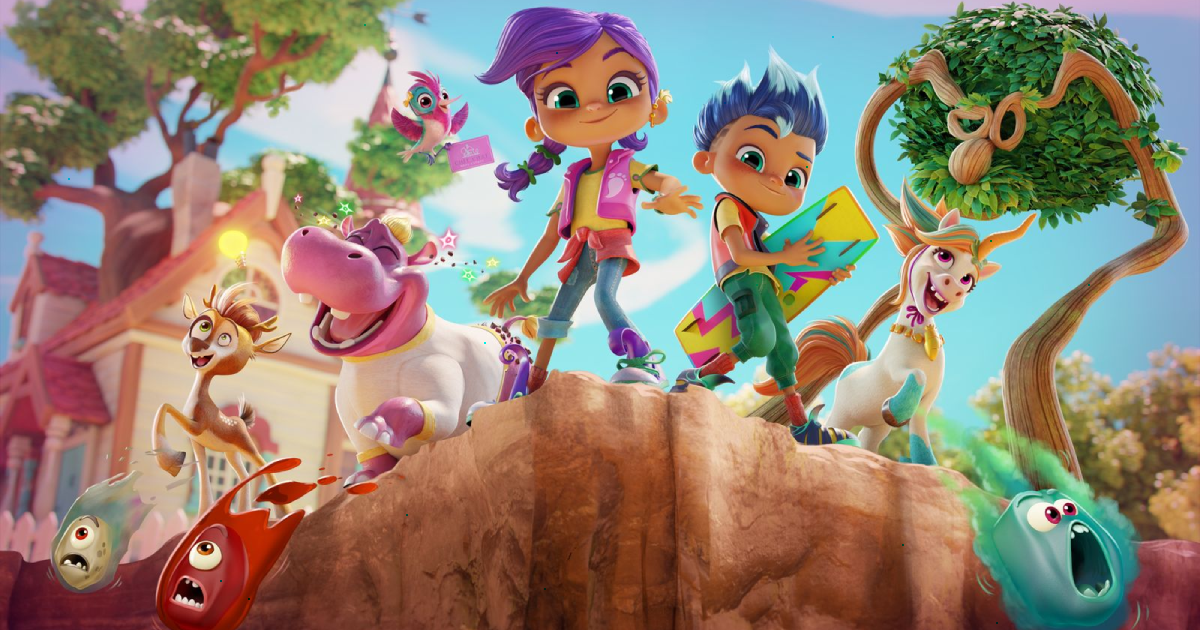
We baked the messaging into our characters. Windy and her twin brother Walker are the children of Mother Nature; their “superpower” is noticing what needs help and rallying friends to act. We embed eco themes as story problems that they solve through teamwork, humor, and songs. Appealing, relatable, aspirational characters are the heart of every story.
We believe even the youngest kids are far more capable than they are given credit for. However, there are some very basic guidelines that apply when appealing to the different age groups.
Preschool (ages two to five): Keep it concrete, sensory, and short cycle with one simple action per episode (e.g., “put litter in the bin”) that are repeated with music and visual cues.
Early Elementary (ages six to nine): Add light systems thinking (cause and effect), friendly challenges, and “try this at home” moments.
Tweens (ages 10 to 12): Introduce trade-offs and community-scale ideas (sharing, repairing, reusing) through character dilemmas and mini-missions.
No matter the age, lead with a fun, well-told story. The lessons will land because the child will feel capable and empowered rather than lectured to. This also works because kids mirror what their heroes do. When Windy models small, repeatable actions—picking up trash, planting, conserving, sharing—children see themselves doing the same.
Our approach leans on “micro-missions” that are easy to imitate and that kids feel they are capable of. If you can set the table with an “entertain first” approach, then pro-environmental behavior, positive play, and belonging are sure to follow.
It’s equally important that everything feels connected and that the consumer products program is not an afterthought. For example, the bottom of Windy’s sneakers have her signature leaf footprint, so when she walks, she leaves a smaller footprint behind. When we make sneakers, we will carry this design element into the physical product. Licensed offerings should act as story extensions, not just merchandise.
As you expand, you will need to adapt new programs and protocols. Currently, Weatherfoot’s focus is on the content, so our footprint is primarily creative and operational. That means we are focused on avoiding greenwashing and on establishing clear values as well as consistent tone. We are also developing efficient production workflows, responsible travel, and digital-first assets where possible.
It’s also important to establish partner criteria for licensees and locations to make sure they are aligned with our values and safety standards. Finding partners that share the same values is a good place to start and especially important because making the right decisions can be hard, but worth it in the end as you implement:
- Material and packaging guidelines tied to the IP’s mission (e.g., recycled content targets, minimal plastics)
- End-of-life thinking (repair, resale, recycle)
- Co-marketing that educates and extends product life
In addition to collaborating with partners to meet sustainability goals, it’s also important to communicate those goals with consumers.
Everyone wants to feel like they helped out. Most consumers will not go out to clean up the waterways, but they can feel good about buying something that is made from recycled ocean plastic. You need to make your sustainability program clear on your packaging, be specific about progress, and also open a two-way dialogue with your audience. Ask what families are trying as a result of engaging with the content and the products, and then share their wins.
The goal is to make sustainability feel inviting, doable, and shared. To achieve that, sustainability needs to be a core, foundational element of your content and your licensed consumer products.