



Bringing a Brand to Life Through Character Costumes
An Executive Voices Blog by Simon Foulkes, Managing Director at Rainbow Productions
In a world where consumers are bombarded with digital content, brands are rediscovering the power of a physical presence. And mascots—once reserved for children’s entertainment and sports games—have evolved into dynamic brand ambassadors capable of forging emotional connections and telling powerful brand stories.
Mascots allow brands to interact directly with consumers, creating moments of joy, nostalgia, and recognition that digital ads alone cannot replicate. Brands are rediscovering the power of face-to-face engagement and mascots are at the centre of that movement, with physical mascots cutting through the digital noise and delivering measurable ROI at events, through retail activations, and in social campaigns.
The secret to a truly great mascot goes deeper than you might think—it’s a carefully crafted extension of a brand’s identity. Successful mascots are unique, relevant, visually consistent, and practical for their intended purpose. They must be recognisable and versatile to appear across platforms and environments.
The creation process starts with a deep understanding of the brand, including its values, target audience, and objectives. These insights shape everything from colour palette, materials, proportions, and facial expressions to whether it’s a human, an anthropomorphic, or more abstract. Typically, development timelines for brands with an initial concept range from 8-12 weeks, depending on complexity, materials, and performance requirements.
A great mascot also requires regular maintenance. With proper care, it should last 8-10 years. This includes correct storage, routine washing, repairs of general wear and tear, and refurbishments when needed. The longevity of course depends on the usage of the mascot.
A single mascot appearance opens countless opportunities, from meet-and-greets and photos to merchandise and media buzz, bringing a brand to life. As a result, mascots have made a resurgence as experiential and emotional marketing tools.
The ability to provide a humanised personality in an increasingly digital world is appealing to brands. The difference this time round? They are being used across diverse sectors, including across tech, councils, museums, and more.
Traditionally, mascots have been synonymous with the entertainment, sports, and FMCG industries—think Arsenal’s Gunnersaurus, Mr. Monopoly, or the Honey Monster characters. Each became iconic for embodying the spirit and values of the brand they represent, in ways that words cannot.
Sport teams and worldwide sporting events remain a major sector benefitting from mascots as a strong link to the team or event. Mascots have been a staple of athletic events for years, raising spirit and moral, providing track-side entertainment, and increasing fan engagement.
Recently, there’s also been a notable rise in the addition of a female companion for existing male mascots. For example, in the Premier League alone Lily has joined Chirpy, Maggie joined Monty, and Bridget joined Stamford. These characters help connect teams with fans across generations and genders, reinforcing loyalty and excitement as well as creating additional opportunities.
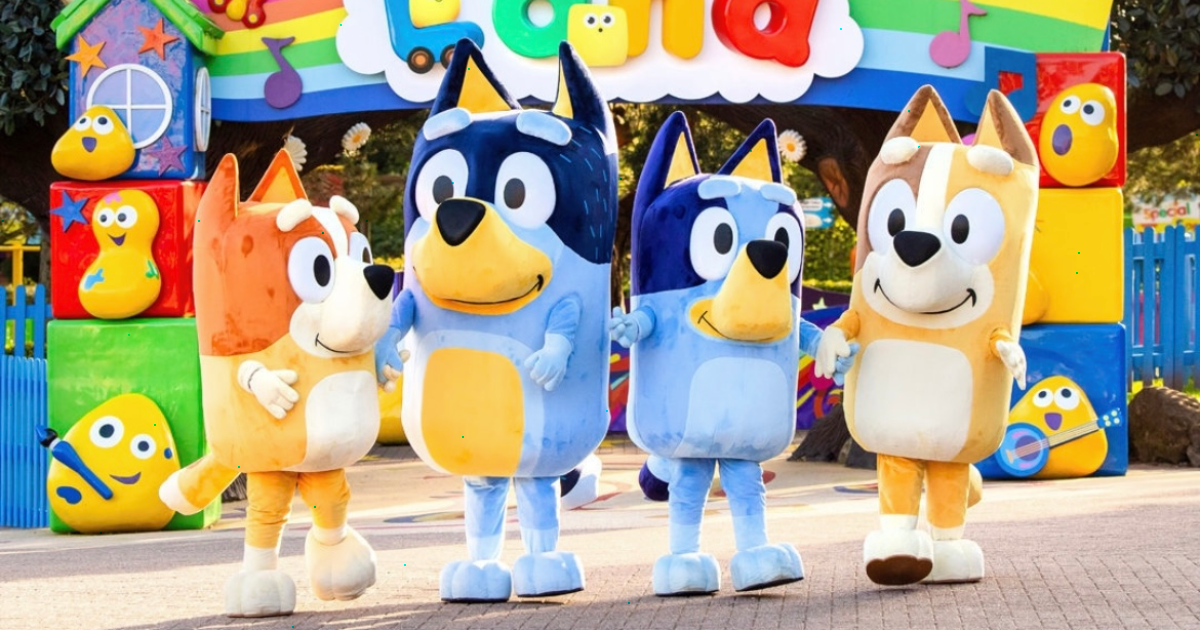
Aside from sports, children’s characters have long been at the heart of the mascot industry, forming some of the earliest examples of children’s-based engagement. This trend has carried through to modern beloved TV brands such as Bluey and PAW Patrol as well as storybook classics like Peter Rabbit and The Gruffalo.
But beyond sporting events and children’s content, mascots are powerful tools for brands with strong visual identities or those wanting to humanise complex products.
They cut through crowded markets by creating an immediate, authentic emotional connection between brand and audience. They key is authenticity: a mascot must feel like a natural extension of the brand and not an afterthought.
Beyond emotional impact, mascots open new marketing opportunities, enable interactive real-world engagement, and make brands more memorable. We see time and time again that mascots breathe life into brands, transforming static visuals into living personalities.
Brands are increasingly using character costumes in creative and engaging ways, from immersive event activations to social media-ready mascots for content creation.
And many brands are now pairing their physical mascot with digital avatars, allowing characters to live both online and offline. This blend of physical presence and digital versatility will continue to elevate mascots as powerful brand assets moving forward.
With over 40 years of experience, Rainbow Productions is a global leader in mascot manufacture, providing quality, bespoke mascot costumes and outfits, along with mascot training, to companies of all shapes and sizes. Rainbow is proud to count many of the world’s major licensing studios, sporting associations, international brands, theme parks, visitor attractions, and hotels as clients. Rainbow Productions is also the UK’s official licensee and supplier of over 140 licensed children’s character costumes, able to offer character appearances from Bluey, PAW Patrol, Teletubbies, and many more along with event management and professional performers.