




European Theme Park Operators Shift Strategies
By Mark Seavy
After several years of rapid growth, European theme park operators have turned their focus to operating efficiencies and optimizing their portfolios.
This is the result of operators giving priority to value, in terms of spending within the parks, over the never-ending race to boost attendance, according to consulting firm Leisure Development Partners (LDP).
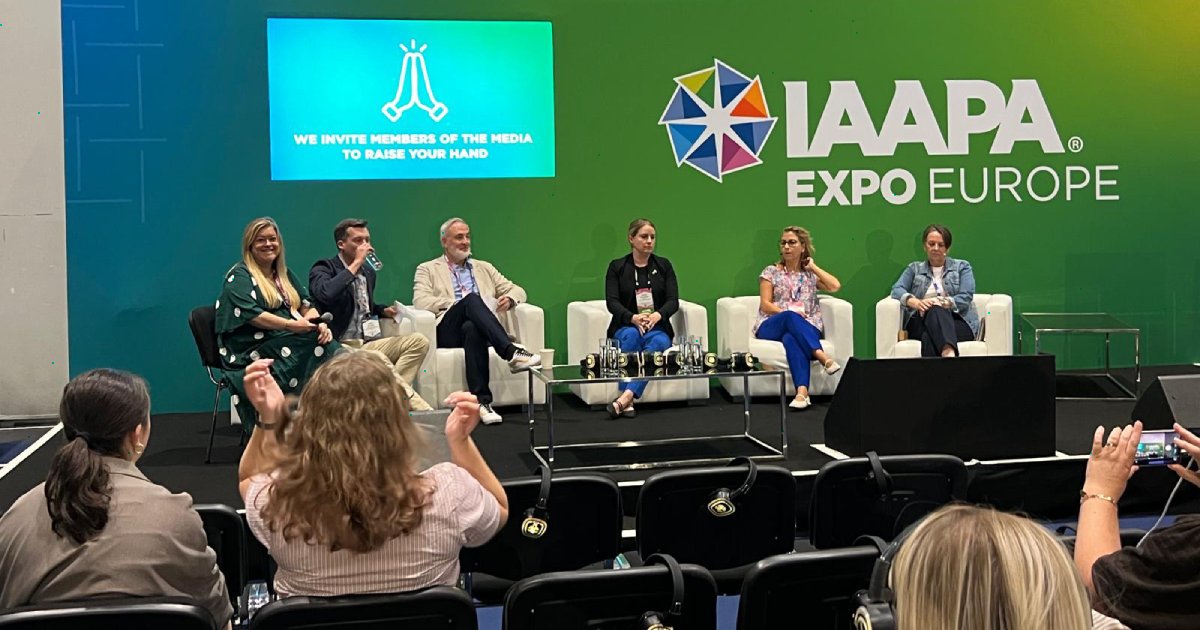
The change was on display at the recent IAAPA Expo Europe show, where once rigid barriers between waterparks and rollercoasters and rides and restaurants displayed signs of eroding, while European park operators appeared to narrow their focus to their top performing facilities rather than growth at all costs.
Merlin Entertainments, for example, has seen attendance at its parks decline compared to pre-pandemic levels, while revenue increased 15% in 2025. Those results came as Merlin sold 29 LEGO Discovery Centers (including 15 in the U.S.) earlier this year to the LEGO Group for $200 million, ending 19 years of running the facilities. It will continue operating 11 Legoland Resorts.
And that followed Spain-based park operator Parques Reunidos, whose holdings include Warner Madrid and Movie Park Germany, having sold its U.S. subsidiary Palace Entertainment (which included Kennywood and Lake Compounce parks) to Herschend Entertainment Group.
However, a number of independent and family-owned park operators remain in Europe. Among the Top 15 theme parks in Europe, eight are controlled by large groups like Disney, while four are owned by independent companies, according to LDP. But the consulting firm reports that large groups control more than half of the theme park market in Western Europe.
With operators both big and small across the region emphasizing value over attendance, the industry is expected to see a growing reliance on licensing.
Disney continues to leverage its own IPs; while Merlin is integrating Bluey, Minecraft, Harry Potter, and Peppa Pig; and Parques Reunidos is rolling out branded Paramount, Warner Bros., and Spin Master experiences. Additionally, Momentum Leisure and Leisure Expert Group unveiled the Episodia family entertainment brand at IAAPA as construction progresses on its fourth theme park in Poland. The facility, due to open in summer 2027, will feature licensed SpongeBob SquarePants, Paw Patrol, Teenage Mutant Ninja Turtles, and The Smurfs.
“Well selected and integrated IPs have proven to generate price premiums and increase spends, keeping this marketplace busy, although the trend is less widespread than accommodation,” including expansion of hotels and other lodgings, LDP reported.
The evidence of these merging categories could be found across the recent IAAPA show.
Mack Group, for example, unveiled eatX, a format combining a dark ride with a restaurant. Visitors will sit together around a moving dining table and travel through five themed worlds while eating a three-course meal. It highlights the discovery of the garden strawberry in 1714 by combining food with physical sets, projection, lighting, sound, and movement. The first installation, the Strawberry Dining Journey, will open at Karls Erlebnis-Dorf in Elstal, Germany, in summer 2027.
Leisure group Oceano Loisirs’ O’Gliss Park in France, meanwhile, is working with entertainment and engineering startup BoldMove Nation to develop the Typhoon Coaster, which will open in 2028 in combining rollercoaster dynamics and controlled spinning with water effects and special effects. The ride culminates in a splashdown.
Parques Reunidos is also developing a Tropical Islands indoor water park and resort in Brandenburg, Germany that it acquired in 2018. And Looping Experiences, which rebranded from the The Looping Group, has 21 properties and is building out its portfolio following the acquisitions last year of Waterworld Leisure Resort (Stoke-on-Trent, UK), Parc Saint Paul (Saint-Paul, France), and the biodiversity-themed Terra Botanica (Angers, France).
As these European theme parks seek to grow their licensing efforts and launch new formats, however, they are factoring in debt loads, seasonal constraints, and high operating costs. In fact, The Guardian reported that Euro Disney has only turned a profit 13 times since opening in 1992. Those financial struggles have meant slow going at times for licensing partnerships, licensing industry executives said.
“There hasn’t been a tremendous [amount] of location-based entertainment licensing into the European market yet,” said George Wade, President of the consulting firm Bay Laurel Advisers. “We are beginning to get some traction [for licensing] but it is going to be a slower build because you need a few more successes… I am bullish on the market. I know the economic conditions, but you plant seeds and help to educate the market, which we have seen across the board.”