




AI’s Growing Role in Licensing
By Mark Seavy
Technology was front and center for the licensing community this year as artificial intelligence and social shopping increasingly gained acceptance from consumers, retailers, and suppliers alike. As we prepare for 2026, we are looking back at recent technology milestones and examining how they will continue to influence the industry next year.
The Age of AI
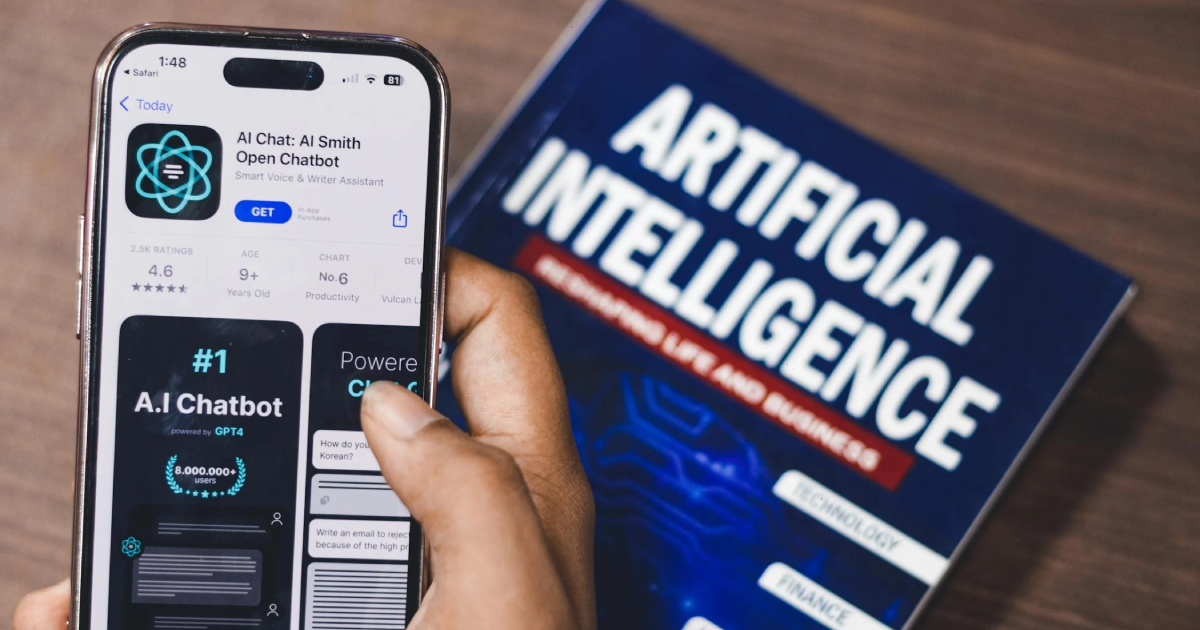
Artificial intelligence (AI) shifted from a bit player to a major role this year as the licensing industry moved to both contain and take advantage of it.
The rise of AI forced the licensing industry to confront potential copyright infringements. At the same time, executives pointed to issues like package design, product design, and licensor approvals as likely early candidates for the use of the technology.
How quickly AI becomes part of the fabric of licensing business, however, isn’t clear. Its use raises ownership, liability, ethical, and sustainability issues that are likely to weigh on the speed of its deployment. Yet while these issues remain as we head into 2026, the technology’s potential appears to be outweighing concerns for many.
Concerns About Copyright Infringement
Disney, for example, signed a licensing agreement with OpenAI earlier this month, giving the platform developer and its Sora AI video app access to more than 200 of its characters. OpenAI’s Sora video tool and ChatGPT Images will enable consumers to legally create short, user-prompted videos starting in early 2026. Disney also will use OpenAI’s technology for its own platforms, including Disney+, as it weaves AI into storytelling.
At the same time, Disney made a $1-billion investment in OpenAI after sending cease and desist letters citing copyright infringement to rival developers, including Google (Gemini AI) and Midjourney.
“We have been aggressive in protecting our IP and gone after companies that have not honored or respected it,” Disney CEO Bob Iger told CNBC on December 11, shortly after announcing the alliance with OpenAI. “Obviously, AI will have significant long-term impact on our business.”
Disney was the first of the Hollywood studios to throw support behind an AI platform but won’t be the last. Industry experts expect that other brand owners will partner with existing AI offerings or develop their own platforms internally.
Using AI to Automate
Indeed, many licensors and licensees are already picking a partner.
Mattel signed on in June to work with OpenAI to design AI-based toys using its ChatGPT technology. And Hasbro has said AI could be used with its Dungeons & Dragons game for campaign and character development, but hasn’t committed to a platform.
In the world of fashion and athletic brands, Nike, Gucci, Asos, and others have turned to AI for help in setting the trends that will shape the industry. Additionally, Amazon increasingly used AI to automate and expand IP protection and counterfeit detection systems.
At the same time, retailers this year began mapping their AI strategies to varying degrees for inventory management, financial forecasting, planning, and customer relations. Retailers also looked to AI to tighten ties with consumers and blur the lines between online and in-store experiences.
Wayfair, for example, which opened its first branded store last year and operates around 10 others under its Joss & Main, Allmotion, Birch Lane, and Perigold labels, has used AI technology to speed up room design, 25% of which can be done before the customer enters the store, it reported.
The Future of Social Shopping
The use of AI to amplify shopping experiences both online and in store came this year as social shopping expanded across multiple social media platforms, including TikTok and YouTube, driven by content creators and influencers.
The trend occurred as product discovery and checkout started to merge, resulting in brands moving to develop their own creator networks. And it only grew as “zero click” shopping enabled consumers to make instant product purchases via AI, voice assistants, and smart devices without navigating websites or clicking through multiple pages.
Among those leading the efforts was Kim Kardashian and her Skims brand, which hosted a 45-minute “Kimsmas Live” streamed shopping event on TikTok on December 3.
“For so many years, brands were driving the economy, and it is increasingly becoming where creators are taking control,” Leslie Hall, CEO of Haut Drops and Iced Media, which has worked on building a creator network for TikTok Shop, said at Licensing International’s Fashion Licensing Summit in November.