



France’s New Chapter in Licensing
By Laurent Taieb, France Managing Director for Licensing International
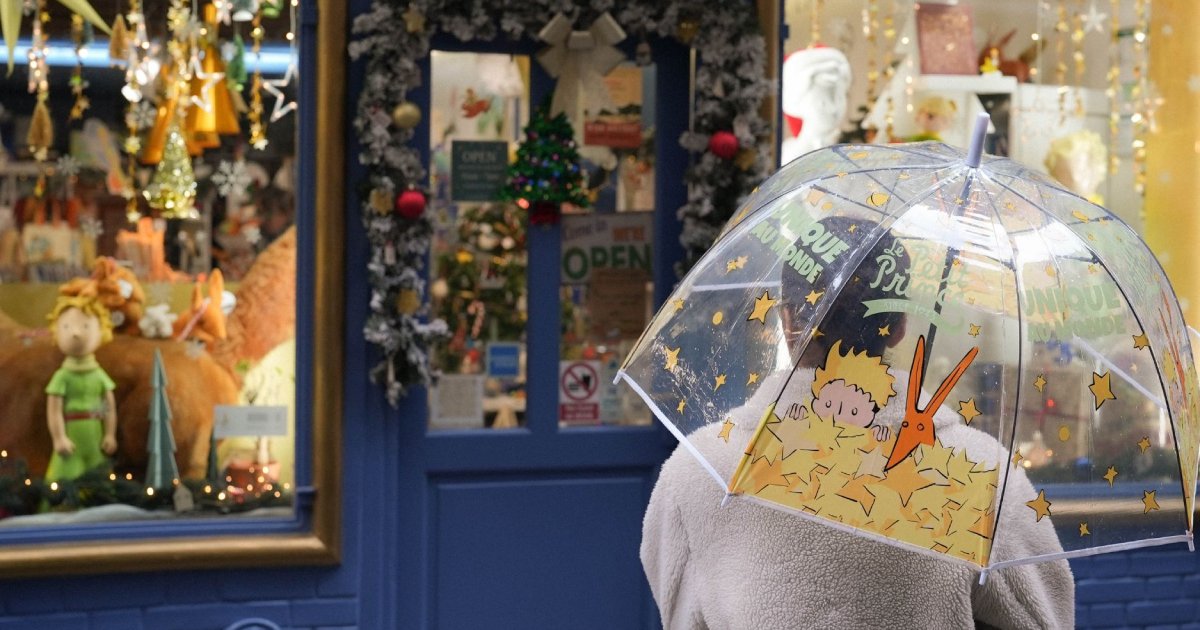
Heritage publishing brands offer the licensing industry something increasingly rare: authenticity, emotional resonance, and long‑term value that you simply cannot engineer overnight. French icons such as The Little Prince, ELLE, Les Deux Magots, and Astérix show how a book, a magazine, a literary café, or a comic strip can grow far beyond their original purpose and become powerful international brands.
In a market flooded with fast content and short‑cycle IPs, these names remind us that the deepest stories often come from the past—and that they still have a lot to say to today’s consumers.
Part of their strength comes from the way they are anchored in French history and culture. Astérix was created in 1959 by René Goscinny and Albert Uderzo, right in the middle of the post‑war boom and the golden age of Franco‑Belgian comics. By turning the Gauls into wry, resistant underdogs facing the Roman Empire, the series humorously reclaims a founding chapter of national history while speaking to broader themes of identity and independence.
Around the same period, ELLE was shaping post‑war femininity, The Little Prince was quietly conquering the world through translation, and Les Deux Magots was cementing its place in the mythology of Saint‑Germain‑des‑Prés. Together, they form a living timeline of how French culture has travelled and evolved over the last 70 years.
What sets them apart, first, is how “real” they are. The Little Prince is not just a character; it is a book that parents and grandparents have passed on for generations, often tied to very personal memories of reading and discovery. ELLE did not start life as a lifestyle label but as a pioneering fashion magazine, shaping taste and giving women a reference point for how they dress, think, and live. Les Deux Magots is not a themed concept invented from scratch; it is a café that has been part of the daily life of Saint‑Germain‑des‑Prés for decades, where writers, artists, students, and tourists have shared tables. Astérix, meanwhile, comes from a specific moment in French publishing history, when comics were becoming a mass medium and creators wanted to tell stories rooted in local culture rather than only looking to American superheroes.
That lived, layered history gives these brands a weight that no “new” IP can copy.
This is where emotion comes in. Each brand occupies its own emotional territory. The Little Prince speaks to childhood, imagination, and a powerful philosophy about friendship, love, and looking beyond appearances. ELLE stands for self‑expression, style, curiosity, and the confidence of modern women navigating work, relationships, and culture. Les Deux Magots captures the pleasure of taking your time, talking, watching the world go by on a Parisian terrace, and feeling part of the city’s creative life. Astérix brings humor, collective resistance, and a sense of mischief while playfully revisiting European history and stereotypes.
When these emotions are translated into products—a Little Prince notebook, an ELLE dress, a Les Deux Magots coffee line, or an Astérix family board game or apparel—consumers are not just buying for function. They are buying a feeling, a memory, and a piece of a story they already recognize.
For licensees and retailers, that emotional capital is gold. It means higher trust, stronger loyalty, and the possibility to work in more premium or story‑driven segments. A Les Deux Magots food, tableware, or gifting offer, for example, can sit in gourmet and travel‑retail environments, telling a story about Paris before the consumer has even tasted the product. Heritage acts as a shortcut to value and reassures the shopper that there is something substantial behind the logo.
Time is another key factor. The Little Prince does not need a new movie every two years to stay relevant; the book continues to find new readers on its own, helped by schools, bookstores, and word of mouth. ELLE, meanwhile, renews itself every month through print and daily through digital, which keeps the brand current while its core identity—fashion, beauty, culture, and lifestyle—remains stable.
For licensing, this means less dependence on media spikes and more room to build programs that can sit in‑store year after year, with periodic highlights linked to anniversaries, new volumes, or special collaborations.
These brands are also naturally suited to experiences—a major growth area for licensing. The Little Prince universe lends itself to exhibitions, immersive rooms, themed cafés, or family events built around imagination and travel. ELLE can stretch into pop‑up fashion experiences, beauty bars, concept stores, wellness spaces, or hospitality projects that embody the “ELLE way of life.” Astérix goes one step further with Parc Astérix, where rides, shows, hotels, and shops allow families to “enter” the Gaulish village, turning the IP into a full‑scale destination. Products become part of a wider ecosystem where you discover a universe and then bring a piece of it home.
All of this explains why the global licensing community should pay close attention to heritage publishing brands.
The Little Prince brings universal storytelling and values, ELLE brings fashion and lifestyle authority, Les Deux Magots brings a tangible sense of place and café culture, and Astérix brings humor, history, and family entertainment on a global scale.
Beyond these examples, they open the door to a wider family of museums, monuments, media titles, festivals, and local icons that can be developed with the same care. In a world where consumers are increasingly selective and skeptical about “logos on stuff,” building around heritage is not about nostalgia. It is a way to create programs that feel grounded, memorable, and genuinely different—and that is exactly what the industry needs if it wants to stay relevant over the long term.