



Gaming Platforms Focus on IP Management
By Mark Seavy
The launch of the intellectual property management tools like Roblox’s License Manager has streamlined and scaled a previously cumbersome process for negotiating IP deals for gaming.
For example, Roblox’s new system—which allows brand owners to grant creators permission to use established properties on the gaming platform—defines licenses and specifies content standards as well as revenue share requirements.
It has also placed Roblox as the middleman in both policing infringements and ensuring Roblox creators sign deals, further removing barriers that previously made IP owners reluctant to embrace the platform.
Epic Games, meanwhile, has long been a licensing hotbed due to its Fortnite platform, something that was underscored by Disney’s investing $1.5 billion in the developer in February 2024. In addition to generating results for gaming platforms, these new tools supporting IP certification have also contributed to rooting out counterfeits.
“It is all about encouraging creators to play with our content and expand the community for it,” said Jenefer Brown, President of Global Products and Experiences at Lionsgate, which joined the Roblox platform last July with properties like Twilight and Saw. “If they [creators] make money, then we do as well. There are a lot of experiences that use our IP and a lot of the creators are just fans, so this is an opportunity to embrace them in a way that feels official.”
Lionsgate, Mattel, Netflix, Sega, and Kodansha (Attack on Titan, Sailor Moon, and other anime titles) were among the early IP owners on Roblox. Since the License Manager tool launched, more than 1,500 games based on licensed IPs have been introduced and the licensor roster that started with around 15 companies has continued to expand.
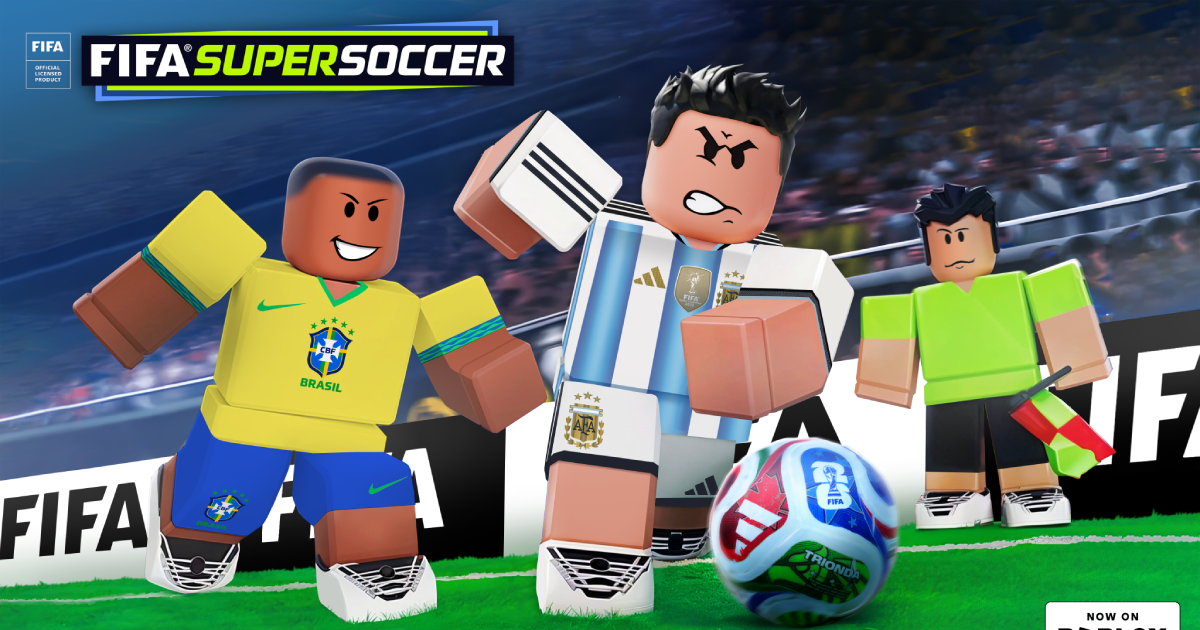
The developer Gamefam last year rebranded its Super Soccer title as FIFA Super Soccer. Netflix, meanwhile, launched its own version of Squid Game: The Final Games last year for Roblox. Netflix has also expanded on a Stranger Things-inspired title that was initially introduced in 2021 on the platform by the developer Trendsetter Games.
“We wanted to unlock IP licensing at scale between Roblox and creators and IP holders in a way that is simple, streamlined, and customizable,” Greg Hartell, Senior Product Director for the Creator/Content Ecosystem at Roblox, told The Wrap. “You need just one superfan creator who can make some game and will bring passion and personal experience into their creation, powered by branded IP.”
That passion and personal experience is proving profitable for creators.
Roblox’s top 10 developers made an average of $36 million each in 12 months, according to Roblox. Among the top 10 games last year were “Steal A Brainrot” (DoBig Games’ SpyderSammy, 25 million peak concurrent players), “Grow a Garden” (Splitting Point Studios, 22.4 million) and “99 Nights in the Forest” (Cracky 4, 14 million), according to Gamefam. The top branded games last year included “SpongeBob Tower Defense,” “NFL Football Universe,” and “Sonic Speed Simulator.”
Roblox planned to have paid more than $1 billion to developers by last year. Additionally, at least one Roblox developer is expected to be valued at $1 billion by 2028, CEO David Baszucki said. Revenue sharing is 10-25% under the new licensing program, according to licensing executives.
Overall, Roblox had 152 million daily active users (DAU) as of last fall, up 70% from a year earlier, while Fortnite had 30 million, Gamefam reported. Tycoon & Building was the top genre on Roblox (141 million DAU), followed by Simulation (113 million).
“There are so many games out there that it is a question of which ones to bet on and which ones to pass on,” said Milin Shah, Chief Revenue Officer and General Counsel at CultureFly, which last year licensed BlushCrunch Studios’ “Dandy’s World” Roblox title for merchandise. “We just track engagement. The new program expands Roblox’s brand reach and is another source of revenue. They are trying to position themselves as YouTube for game developers.”