




LBE’s Growing Appetite for Food & Beverage
An Executive Voices Blog by Matt Proulx, Senior Vice President of Global Experiences, Partnerships and Music at Hasbro
Food and beverage has a unique ability to create memories. Long after guests leave an attraction or experience, they’ll often remember the meal they shared, the conversations they had, and the moments they experienced together. That’s incredibly powerful for brands.
And, when integrated thoughtfully, food becomes more than a menu item—it becomes part of the storytelling. It can help guests feel immersed in a brand’s world while creating emotional connections that are shared with family and friends.
We’ve seen this across our portfolio. At the Peppa Pig Play Cafés in China, families can enjoy themed dining experiences and immersive brand environments inspired by iconic locations from Peppa’s world, creating memorable moments together beyond the screen. And at Candy Land Café the guests don’t simply eat themed food, they step into a colorful, multi-sensory version of the board game itself. The strongest experiences use food and beverage to create moments people want to revisit, share, and remember.
The most important thing is to start with the brand story rather than the food itself.
The brand owner should provide clear guidance around the franchise’s values, tone, visual identity, and audience expectations. Understanding what consumers love about a brand helps inform everything from the environment and guest journey to the menu and overall experience.
At the same time, it’s important to give partners room to innovate. Great operators understand hospitality and guest experience, while brand owners understand storytelling and audience engagement. The best results come when those perspectives work together, and that applies whether you’re creating a quick-service café, sit-down dining experience, or luxury restaurant.
The most successful concepts start with what consumers already love about the franchise. For example, the Peppa Pig Afternoon Tea Bus in London builds naturally on themes of family adventures, discovery, and shared experiences, while the Monopoly Tea Tour bus transforms a sightseeing tour into a playful journey through real-life Monopoly locations. In both cases, the concept grows organically from the brand rather than forcing the brand into a format that doesn’t fit.
And there are a number of formats to choose from in order to find that right fit.
Immersive cafés continue to resonate with families, particularly when they combine dining, play, and storytelling. We’re also seeing strong demand for interactive dining experiences that blend food with participation, gameplay, and live entertainment, as well as premium hospitality concepts that use branded storytelling in more subtle ways. The upcoming Clue: Murder on the Menu experience is a great example, where guests become part of the mystery while enjoying a chef-curated meal.
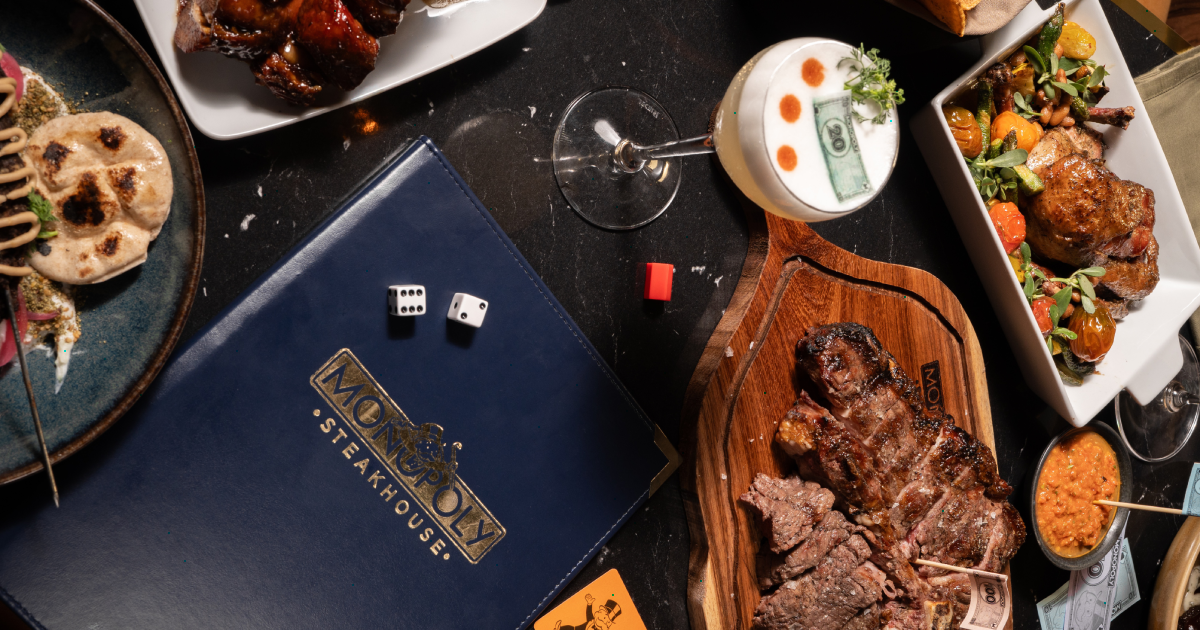
We’re also seeing demand for elevated branded hospitality experiences. Concepts such as Monopoly Steakhouse in Mexico and Monopoly Lifesized’s Top Hat Restaurant & Bar in London demonstrate that licensed dining can appeal to adults through premium food, sophisticated design, and more subtle brand integration.
This is especially important as immersive experiences work to appeal to a wide variety of consumers.
Families continue to be a major driver, particularly for brands with strong multigenerational appeal. Parents are increasingly looking for experiences they can enjoy together with their children, rather than activities designed solely for one age group.
Regionally, Asia has been a particularly exciting market. Food plays an important cultural role in bringing families together across many Asian markets, making these types of concepts especially appealing. We’re seeing consumers actively seek experiences that bring families together through brands they already know and love. At the same time, we continue to see strong demand across the Americas and Europe as consumers increasingly prioritize experiences and memory-making over traditional entertainment.
To effectively connect with these different demographics, it’s crucial to understand both the audience and the role the experience is intended to play within the broader franchise ecosystem. Some brands naturally lend themselves to highly immersive experiences, while others work better through more subtle lifestyle extensions. Neither approach is inherently better. Success depends on creating an experience that feels authentic to the brand and surpasses consumer expectations.
We always ask a few key questions: Who is the audience? What emotional connection are we trying to create? What makes the brand unique? The answers typically guide the right experience strategy.
From there, it’s necessary to look for partners who understand hospitality and guest experience first, and licensing second. A strong partner appreciates the importance of brand integrity, but they also know how to operate a successful venue, deliver exceptional service, and create an experience that guests will want to revisit.
The most successful projects are highly collaborative. The best operators bring creative thinking, operational excellence, and consumer insights, while the brand owner brings storytelling, franchise expertise, and strategic guidance.
Going forward, I expect we’ll see more concepts that integrate dining with retail, live entertainment, technology, and interactive play.
Consumers increasingly value memorable experiences over traditional purchases, and they expect brands to meet them across multiple touchpoints. Food and beverage experiences are uniquely positioned to support that because they bring together storytelling, hospitality, community, and entertainment. Rather than existing as standalone attractions, food and beverage will increasingly become part of larger connected brand ecosystems that give consumers multiple ways to engage before, during, and after their visit.
For brand owners, that’s an exciting opportunity. The strongest experiences won’t simply serve food. They’ll create lasting memories and deepen the relationship between consumers and the brands they love.
Hasbro is a leading games, IP, and toy company whose mission is to create joy and community through the magic of play. With 165 years of expertise, Hasbro delivers groundbreaking play experiences and reaches more than 1 billion fans annually around the world, through physical and digital games, video games, toys, licensed consumer products, location-based entertainment, film, TV and more.