



Licensing Industry Remains Cautious About Tariffs, Shipping
By Mark Seavy
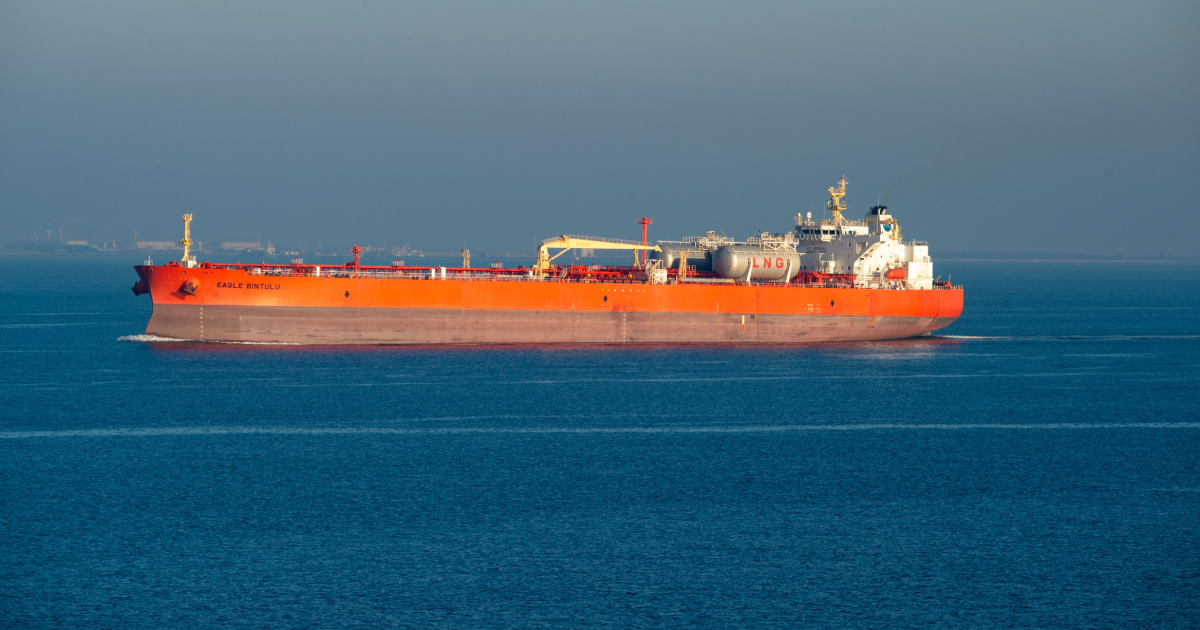
Caution remains the watchword for the global brand licensing industry, both in terms of a potential reopening of shipping through the Strait of Hormuz and for tariff-related refunds.
Prospects for a resumption of shipping, which has been stalled since March, were buoyed this week by a proposed deal to end the war in Iran, the framework of which is expected to be signed on June 19.
About 20% of global shipments pass through the Strait of Hormuz, including oil that is critical to plastic production and a commodity that, in the case of Spin Master Corp., was forecast to increase costs by $15 million.
Those increases, coupled with tariffs imposed a year ago that the U.S. Supreme Court struck down in February, forced many companies to implement wholesale price increases and shift production outside targeted regions like China. Mattel, for example, is reducing its imports from China to 15%, while Newell Brands (Sharpie, Elmer’s, Rubbermaid) plans to cut them to less than 10%.
Now, there has been the prospect of companies receiving refunds for tariffs paid under the International Emergency Economic Powers Act (IEEPA) that was struck down by the Supreme Court decision. Yet so far suppliers we polled said they have received just 10-20% of what they applied for from the $166 billion in duties that are set to be paid back.
Overall, 330,000 importers or their customs brokers were eligible for direct refunds. So far $95 billion in claims have been accepted for processing by the U.S. Customs and Border Protection (CBP), which had directed the U.S. Treasury to issue $21.97 billion in refunds as of May.
How those refunds have been distributed seems to vary.
For example, G-III Apparel, which owns the Donna Karan, Karl Lagerfeld Paris, and Marc Jacobs brands, received a refund-related $102.7 million pre-tax benefit in Q1 ended April 30. But G-III incurred $155 million in tariff-related costs in the fiscal year ended January 31, up from an earlier forecast of $135 million.
And PVH Corp., which owns the Calvin Klein and Tommy Hilfiger labels, expects to get $100 million in tariff refunds that could offset the $195 million in tariff-related costs that were incurred in the fiscal year ended February 1.
Hasbro, meanwhile, which projected $300 million in related costs when 145% tariffs on Chinese imports were first implemented last year, has since lowered that figure $60-$70 million based on a 24% duty. And Basic Fun, which licenses, among others, the Care Bears and Tonka brands, has received 10% of the $7.5 million in claims it is owed from previous tariffs, CEO Jay Foreman said. The initial payment covers the March to June 2025 period, with a larger amount expected for July to October 2025, he said. More than 2,000 companies have sued the federal government over the tariffs.
“For us, the refunds will be invested back into our company and employees,” Foreman said. “Tariffs stripped not only cash but a huge percentage of our profits in 2025, so raises and bonuses were very limited—as was investment in new product development and licensing. Like Covid and the supply chain crisis, you survive, but you can’t replace lost profits. You just need to suck it up and move on.”
In addition to pushing for refunds, companies are also dealing with increased shipping costs despite the potential reopening of the Strait of Hormuz.
For example, prior to the proposed peace deal, PVH expected to feel the “prolonged effects” of the ongoing conflict through year-end, forcing it to reduce the sales forecast for the Middle East, Europe, and Africa (EMEA) region, CEO Stefan Larsson said.
And shipping firm Maersk is keeping cargo restrictions and surcharges for the region in place to counteract a situation that it said remains “highly volatile.” It imposed an “emergency freight surcharge” on Tuesday to cover rerouting cargo, temporary storage, and other measures involving Persian Gulf ports. The fees are $1,800 for a 20-foot container, $3,000 for a 40-foot container, and $3,800 for refrigerated, special, and dangerous goods. Those rates cover 14 days of storage in transit.
This cautious approach comes despite reports that the Strait will be “completely open” once documents are signed.
“We believe the security situation for the shipping industry remains volatile, and we consider it very risky for ships to commence transits at this point,” said Jakob Larsen, Chief Safety and Security Officer at the shipowners’ organization BIMCO.