



Licensing is the MVP for New Pro Sports Leagues
By Mark Seavy
As new professional leagues proliferate across nearly every conceivable sport, new opportunities for licensing are also growing.
In many cases, the leagues are starting small as they test consumer demand. But licensing is being incorporated into the brand building processes earlier than ever as a marketing strategy, a trend that was clear last week at the Sports Licensing and Tailgate Show in Las Vegas, NV.
Diamond Baseball Holdings, which owns 48 minor league baseball teams, has moved some franchises to new cities where they have taken on new, locally inspired logos and names. That shift provides a base for licensing and Fanatics is developing online shops for each team.
sThe Salem, VA Carolina League team, for example, remains affiliated with the Boston Red Sox but will debut this year as the RidgeYaks, an homage to the nearby Blue Ridge Mountains and kayaks that dot the state’s seashore. The team already has an online store with its new name. The relatively quick turnaround is due in part to Diamond Baseball centralizing licensing for all teams under former Learfield executive Joe Hutchinson.
And Authentic Brands Group’s Champion brand, which it acquired from HannesBrands in 2024, has a licensing agreement with Unrivaled Teamwear. The co-branded deal features t-shirts and hoodies for minor league baseball teams, including the Pacific Coast League’s Triple A Sugar Land Space Cowboys in Sugar Land, TX.
Other leagues are focusing on star power in their licensing efforts.
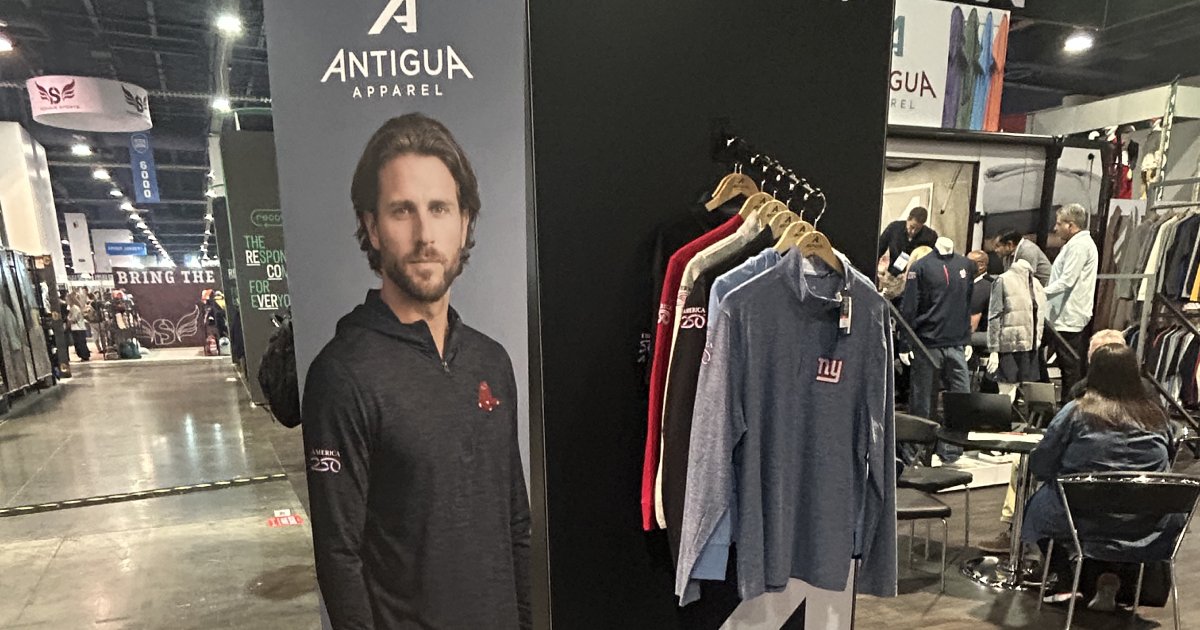
Tomorrow’s Golf League (TGL) was founded in 2022 by pro golfers Tiger Woods and Rory McIlroy. It launched last year using a simulator for 18-hole match play involving six, four-person teams at the SoFi Center in Palm Beach Gardens, FL. Yet the league already has a licensing agreement for teams, with Antigua Apparel creating hoodies and shirts for men and women for The Bay Golf Club and Boston Common Golf.
The women’s Unrivaled 3v3 professional basketball league, meanwhile, was founded by Women’s National Basketball Association (WNBA) players Napheesa Collier and Breanna Stewart in 2023. It launched its first season last year with several licenses, including a trading card deal with Panini America. That league also benefited from its ties with the WNBA, which has had significant growth in licensing with the addition of the Indiana Fever’s Caitlin Clark in 2024.
And while the Professional Bull Riders (PBR) tour was founded in 1992, it added team competition (PBR Team Series) in 2022 that yielded a licensing agreement with Antigua for team appeal. Antigua sells the apparel through its website but also with Legends, which manages merchandising for the series’ events. Last October, Antigua outfitted its own trailer for the PBR Team Series Championship at the T-Mobile Arena in Las Vegas, NV.
“In all these cases, I think the leagues are starting to build some legs under them and there is room to grow with them,” said Kris Fasoli, direct-to-consumer sales manager at Antigua. “In the case of TGL, it is a good complement to our other golf apparel. We do four styles and our minimum [order] is twenty-four pieces, so if the retailer wants to mix and match and take a chance they can and then reorder if the products sell through.”
Yet licensees we polled at the Sports Licensing & Tailgate Show were aware of the risks of licensing with new leagues. For that reason, some licensees are sticking with agreements that offer a variation on their deals with the four major U.S. professional sports league.
McFarlane Toys, for example, is launching collectible figures for National Hockey League team mascots, something it plans to repeat with the National Basketball Association and Major League Baseball, said Adam Welsh, VP of strategy and special projects at McFarlane.
Licensees also seek to lower the level of risk by delving into databases to decipher the size and depth of a league’s fan base. That research can be done through social media, ticket sales, or other means. But a new league’s data is not always easily accessible at the start, a licensing executive said.
“The challenge for me is we are a relatively small company from an eCommerce perspective, so our core data base isn’t full of those [new] league’s fans yet,” Fasoli said. “Once we are able to get to events and complete data collection, we can then reach out to fans and determine their interest in licensed products. “
However, there is slightly less risk with these new l“There is limited retail space and a lot of competition for what is available,” Welsh said. “The [new leagues] will come to us and say they had record ratings, but does that mean people will want to buy the products? We will act if there is a retail request or if the leagues are willing to commit [to a certain level of orders].” eagues since royalty rates (8-10%) are much lower than those charged by the major sports leagues, licensing executives said.