



Licensing’s Spotlight on Tote Bags
By Mark Seavy
Tote bags have traveled a long way from a basic utility for carrying items to a major branding and licensing strategy.
And while they haven’t abandoned their utilitarian value, tote bags have evolved to become, in some cases, a go-to promotional item and, in others, a premium product that is as much about design as it is function.
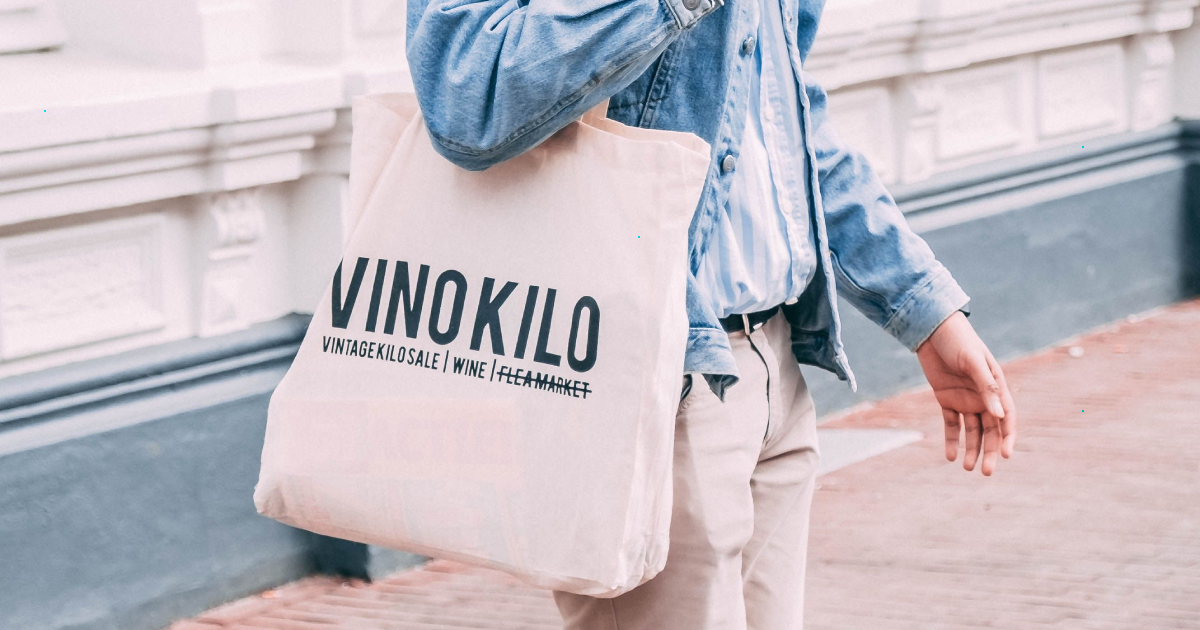
The bags have become traveling brand advertisements, sustainable alternatives to single-use plastic (made from recycled textiles, jute organic cotton, canvas, and more), and a collectible item that some consumers value on par with action figures or trading cards. And as these bags build cultural relevance and fandom, they also signal who the bag owner is and how they want to be seen by others.
All the while, brand owners are cashing in on the marketing given that the only cost is having the bag designed and manufactured.
At the recent MAGIC New York trade show, for example, totes were very much in style with several rows within the exhibit hall dedicated to the bags. They came in various shapes and styles, from canvas and see-through plastic to more premium leather designs. But they shared a common thread of being highly visible products that are perfect for creating what marketing professionals call “impressions.”
Rubyzaar’s canvas bags, for example, carry public domain screen printed photos of activist Angela Davis and the late New York Congresswoman Shirley Chisholm. Case-Mate, which is best known for phone cases, expanded into the tote bag category with clear plastic “jelly” totes in a range of colors. Case-Mate’s bags are carried by Pants Store, which has seven locations in college towns in the U.S., with each store tailored to the communities attending that individual school.
“People have one for everything in some cases where it matches your outfit and they collect them because of the different colorways that come out,” said Nicole Caruso, Director of Sales at Case-Mate. “A tote bag is something you have a lot of, and they have become a statement piece.”
In fact, “a lot” might be a bit of an understatement.
The global tote bag market was valued at $2.38 billion in 2025 and is forecast to have a 5.31% compound average growth rate to reach $3.78 billion by 2034, according to Fortune Business Insights. In addition to promotional items, there are also tote bags for fashion brands like Coach, Burberry, Louis Vuitton, Chanel, Giorgio Armani, and others. Those totes represent an opportunity to own a designer bag at a lower price.
Tote bags have become so popular that some retailers are even launching ranges to serve as promotional pieces for their own brands.
Walmart, for example, launched a tote bag emblazoned with its popular rotisserie chicken on September 1. The bag, which cost $5.97 (the same price as the chicken) sold out within hours. Trader Joe’s, meanwhile, launched a set of four totes (blue, green, pink, and purple) that were priced at $2.99 each in stores but are being offered for thousands of dollars for a set of four on eBay. The bags carry cultural cache given that they are only available in the U.S. and can be a symbol of having travelled to visit the cult classic retailer.
And when Trader Joe’s launched limited-edition striped pastel mini totes at its stores in July, they quickly sold out as shoppers lined up to buy them in a manner typically reserved for concert tickets or sneaker releases.
“The beauty of tote bags is their ubiquity, and they’re not seen as aggressive marketing tools that people try to avoid,” Alan Lan, Marketing Director at Xiamen Worldwide Promotional Bags Co., wrote in a post on LinkedIn. “Instead, they’re practical items that fit naturally into daily life. Someone carrying a custom tote bag isn’t doing so reluctantly. They’re carrying it because it’s useful, and that voluntary use means the brand visibility is genuine and repeated. This creates a form of organic marketing where customers become brand ambassadors without feeling like they’re being marketed to.”