Museums Put Entertainment Brands on Display
By Mark Seavy
Museums are increasingly taking on a new role within the world of entertainment IP licensing.
That’s not to say these institutions have shied away from immersive entertainment-based offerings in the past. In fact, the Boston Museum of Science developed a Star Wars exhibit in 2005 that gave birth to a touring production. Rather, it is the frequency with which these entertainment exhibitions are appearing that is new.
The shift comes as museums work to expand their audience, licensing executives said this week at the IAAPA Expo in Orlando, FL.
Offerings with an entertainment element can boost museum attendance by as much as 250,000 over the course of their run, and about 20-30% of those attendees will be new to the institution, said Abby Bysshe, Chief Experience and Strategy Officer at The Franklin Institute. The Franklin Institute will feature the 18,000-square-foot Star Wars: The Experience – A Journey Through the Galaxy with 70 movie-related artifacts running from February 2027 through September 2027 as part of an exhibit developed with Lucasfilm. It also hosted Universal Theme Parks: The Exhibition earlier this year and has previously worked with Catalyst Capital Group’s Cirque du Soleil.
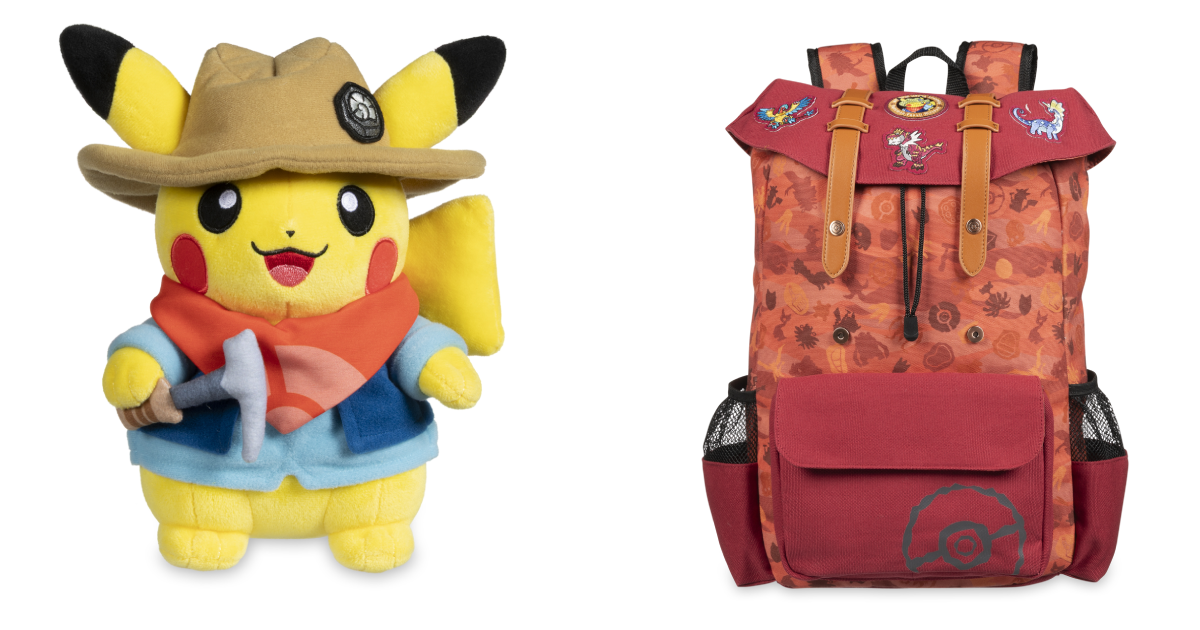
Chicago’s Field Museum, meanwhile, opened the Pokémon Fossil Museum in May, merging real-life paleontology with the brand’s character lore. For example, an 80-million-year-old prehistoric turtle’s underbelly sits next to a cast of Pokémon’s Tirtouga turtle character.
And the Children’s Museum of Indianapolis will mount Barbie You Can Be Anything: The Experience starting in January 2027, reviving a program first launched in August 2020. That new exhibition will be available alongside Building Black: LEGO Art, which opens in March 2027 and will run through spring 2028.
“It is a great draw to bring in fans that may never have walked through your museum before,” said Jenefer Brown, President of Global Products & Experiences at Lionsgate Entertainment. “But, because they are fans of the IP, they will visit your museum. And it is also a great opportunity for your regular patrons where you are bringing in something that is exciting.”
Yet that opportunity requires authenticity because fans will call out a lack of faithfulness to the IP at every level, down to themes, color choices, and menu items, licensing executives said.
Done faithfully, licensed exhibitions positioned as tours can cost $5.5 million to develop for a 10,000-square-foot set, said Julie Moskalyk, Director of Content Partnerships at Montreal-based design/consulting firm Supply & Demand. Supply & Demand launched a 60-minute Minecraft Experience: Villager Rescue offering with Microsoft, which allows players to travel through multiple biomes to save villagers. The tour started in 2024 and has since spun off into seven groups, the most recent of which arrived in Santiago, Chile earlier this month.
As much as the museums benefit from the fandom surrounding these entertainment brands, the IP owners also benefit from the expertise of the institutions they partner with.
“We could do things on our own, but as we got into science it was important to have a good partner and go to the right institutions where the brand is going to be presented and respected in a good way,” said John Corcoran, Director at Ripley Entertainment, which has eight different franchised formats for Ripley’s Believe It or Not. Several of those formats are focused on science, including its Odditoriums and a number of aquariums. “It adds some credibility to what we do in another field.”
While exhibitions are the focus, museums are also seeking to make merchandise sales a key component of their partnerships with entertainment brands, licensing executives said.
Most exhibitions are set up with a retail store at the exit and merchandise sales account for about 5% of revenue. Those offerings consist of a mix of exclusive products that are typically sourced by third parties or an IP holder’s licensees, according to the executives. The Field Museum, for example, has reportedly averaged per capita merchandise sales of $100.
“When you think about fandom, and the power of these brands in a market, and spending millions of dollars on marketing, harnessing the fans that are going to be attending these experiences is going to drive significant impact,” Supply & Demand’s Moskalyk said. “Recognizable brands can drive a whole other return on your investment.”