


“Oreogate” Raises Brand Protection Questions
By Mark Seavy
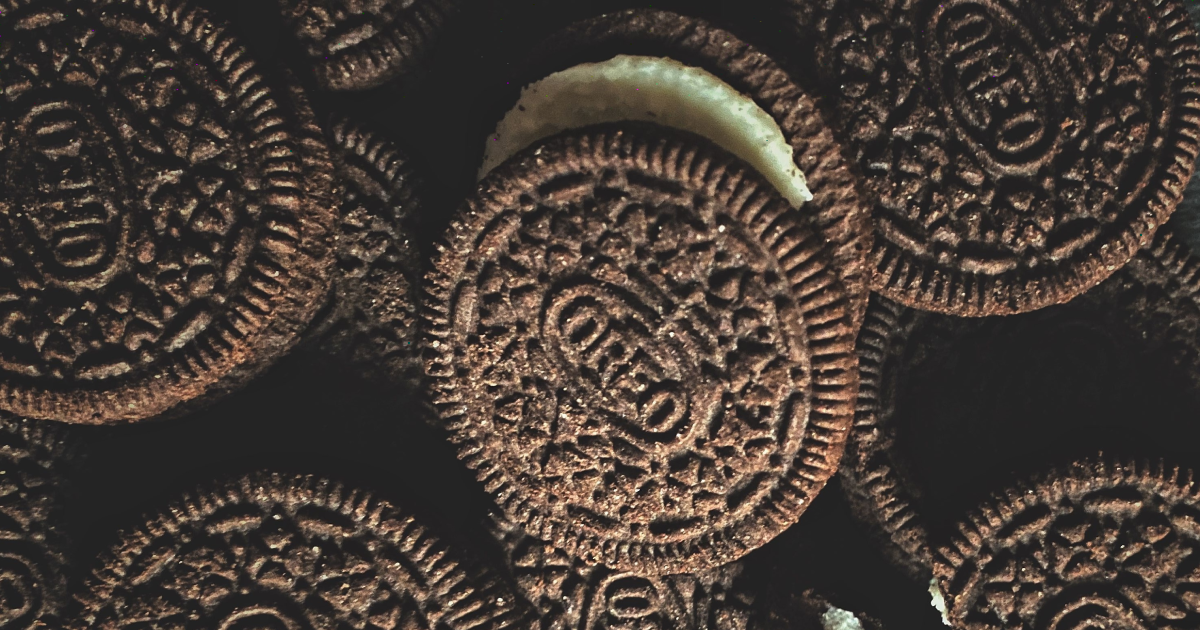
The recent “Oreogate” story, which went viral on Instagram and TikTok, has sparked debate about marketing programs and AI-generated content while also raising questions about brand protection.
It began with a mother’s alleged quest to ban Mondelez International’s Oreo brand cookies from a kindergarten class’s lunches so as not to upset her daughter, who was not allowed to eat them. The effort began in the group chat of the class’s parents but exploded into a viral sensation when several videos turning the group chat conversation into a song were posted on social media.
Since late August, Instagram creator Ashleigh Jamz (237,000 followers) has turned the conversation into dozens of videos. AI developer Suno, which was founded in 2023, later confirmed that the creator behind Oreogate was a compensated partner who produces social media content involving its AI music generator.
But as the video series continued to grow in popularity online (and spark significant debate), the question arose whether the brand owner would issue a cease-and-desist letter or ask for the posts to be taken down—especially since the video series has spawned Oreogate-related merchandise, including t-shirts and mugs.
Some legal observers said no action may be warranted since there is not any evidence Oregogate is damaging the brand or hurting sales and any merchandise revenue is likely to be small. The potential damage to brand and sales must be weighed against fans of the Oreo brand who might be disenfranchised by heavy-handed legal action, legal experts said. Aggressive legal tactics are more common with entertainment, sports, and luxury brands.
Mondelez representatives weren’t immediately available for comment. The company told the Wall Street Journal that while it is “thrilled” by Oreogate, it wasn’t behind the viral moment.
“There are some brand owners that have no tolerance for anybody doing anything and send immediate take down letters whenever their trademarks appear in an unauthorized fashion,” said Pamela Deese, Partner at the law firm ArentFox Schiff. “They justify it as brand protection and tell licensees that this is how they show the value of their brand. But then the enforcement itself can become the story, so sometimes it is better to watch and wait and monitor the situation. A brand owner must weigh the legal costs and PR and whether it [the take down action] is worth it. And you need to balance whether they are making meaningful money [on merchandise sales] and assure licensees that this isn’t a big deal and it is going to peter out quickly.”
Yet there are cases where the branding is less of an homage or a parity and more of a sales driver.
In 2022, at the height of the popularity of Apple TV+’s hit series Ted Lasso, the eight-store Stew Leonard’s grocery chain (with locations in Connecticut, New Jersey, and New York State) rolled out “Ted Lasso’s Shortbread Biscuits” alongside a photo of series star Jason Sudeikis. Months later, presumably at the request of rights holder Warner Bros. Television, the chain changed the wording on the promotional signs from “Ted Lasso One of the Top Shows on TV” with an Apple TV+ logo to one that expressed support for the series’ values. The signage had been placed above a table stocked with shortbread biscuits. Stew Leonard’s later stated in its customer newsletter that it had been sent a cease-and-desist request for the original in-store program by Warner Bros.
“Sophisticated brand owners begin with a risk assessment, and they evaluate consumer confusion, commercial scale of activity, effect on licensing rights, and consequences of enforcement,” a licensing attorney said. “Sometimes the right answer is immediate action and sometimes it is best to monitor the situation and let consumers have their moment and avoid becoming involved.”