




Pet Foods, Hard Goods Follow Different Licensing Paths
By Mark Seavy
In an industry undergoing a wave of mergers and acquisitions, pet food and hard goods are moving down different paths in brand licensing.
This divergence was clear at the recent Global Pet Expo, where brand licensing opportunities broadened across hard goods, including grooming products, pull and chew toys, leashes and collars, apparel, and beds.
At the same time, pet food largely remained the domain of name brands like General Mills’ Blue Buffalo; Mars Inc.’s IAMS, Caesar, and Pedigree; and Post Holdings’ Nutrish.
The differing licensing strategies for pet-focused hard goods and food is a result of increasingly premium ingredients, consumer trust, and authenticity, pet industry executives said. Because while TV personality and dog trainer Caesar Millan is relaunching his licensing program across dog bowls and leashes, chef Bobby Flay recently sold his Nacho cat food business to I and Love and You.
“It [pet food] is all about nutrition and trust, and the question is how much do the celebrities really know,” said Julie Nelson, a former executive at Petco and Bobby Flay’s Nacho, who recently launched JNelson Consulting. “It really comes down to is there something behind the brand in terms of wellness and nutritious ingredients beyond the celebrity.”
Those qualities are less of an issue when it comes to a hard goods category, where brand recognition can be key in the aisles of pet retailers that have traditionally been dominated by private labels.
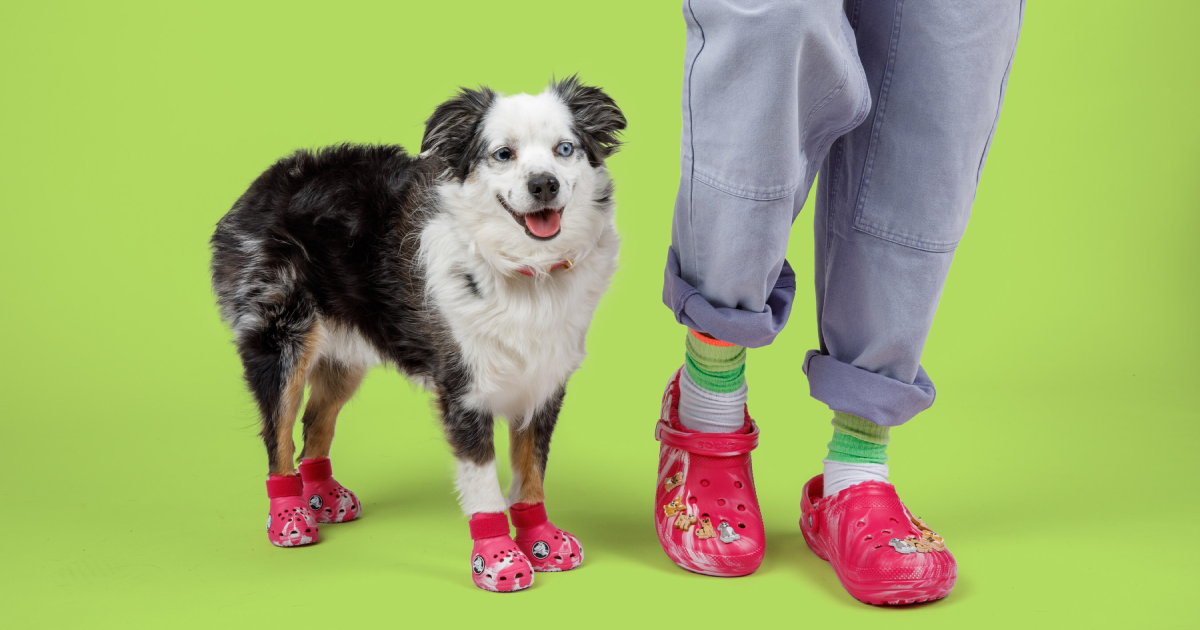
To offset private label competition, pet products supplier Bark, for example, is launching licensed Crocs products (pet beds, toys, and paw wear) in May, while K9Wear builds out a licensed line of Tommy Bahama and Izod collars, leashes, raincoats, and denim jackets with dog bowls featuring J.M. Smuckers’ Milkbone dog treats brand.
Pets + People (formerly Fetch 4 Pets) is dispensing with the licensed celebrity and entertainment brands it previously deployed (including Crayola, Warner Bros., Martha Stewart, and others) in favor of digging more deeply into pet care and cleaning brands. In fact, with Burt’s Bees, which Pets + People licensed for dog shampoos, sprays, conditioners, and wipes, it is extending the brand into shampoos and brushes for horses.
At Multipet, meanwhile, there is a generational change. Where Woody Woodpecker (cat toys) and Garfield licensed products once played on nostalgia, there is now a focus on Minions and Sonic the Hedgehog items that will appeal to younger consumers, said Cindy D’Auria, VP for Southeast Sales at Multipet.
And Gina Group, better known for its Marilyn Monroe, Daisy Fuentes, Gold Toe, and Halston licensed apparel, is deploying SDI Technologies’ iHome consumer electronics brand for pet feeding stations, including those with built in Bluetooth technology and cameras.
“We can only do so much, and it takes 15-18 months to develop products for theatrical releases,” said Douglas Gunderson, Director of Sales at Bark. As a result, getting a year-round license makes things a lot easier, he said.
Fielding licensed products that can be sold at retail year-round is key in a business that is expanding shelf space. Hobby Lobby, which has 1,057 stores, is expanding its pet products section, while Gramercy Products will install a four-foot display in PetSmart stores for its Hasbro-licensed Nerf, Monopoly, and other products. And discount chains like Ross Stores, TJ Maxx, and Burlington Stores have made pet products a permanent part of the merchandise mix, licensing executives said.
But as demand for pet products increases, so too does the competition. Many chains are asking for exclusive lines and some—like 744-store Pet Supplies Plus—will not carry products also sold on Chewy.com, pet industry executives said. The 450-store Woof Gang Bakery & Grooming chain has taken a similar position on suppliers that sell items through Amazon and Chewy, pet industry executives said.
“There have always been exclusives, but it’s reaching another level,” D’Auria said. “The consumer, however, does not really know which store they are standing in. When they see a product on the wall and want to have it, they do not care whether they are in PetSmart, Petco, or Pet Supplies Plus.”
Amidst this growing demand, however, the pet food landscape is experiencing consolidation. In addition to Nacho’s sale, Spanish food group Agrolimen acquired fresh, human-grade food brand Ollie while France’s Nasta Food Co. bought FirstMate. Additionally, Pure Treats moved to buy raw and freeze-dried food supplier Primal Pet Foods. And that was just in February.
Many of these deals stemmed from private equity firms exiting their investments after acquiring the companies during the pandemic. In 2025 there were 532 transactions, up 41% from a year earlier, many of them involving veterinary practices and other services.
“There has been a real shift to that humanization and the pet food and treat supplement business is starting to walk and talk like human consumables, which is a category private equity knows very well,” said Justin Conlin, a Managing Director at the Proterra private equity firm. “The private equity firms are taking a lot of those [human food] strategies and dropping them into this [pet food] market.”