




Play for All Ages: How the U.K. Toy Market is Evolving
By Steve Manners, UK Managing Director for Licensing International
Recently, I visited my local Smyths Toy superstore to buy a board game that I thought would be fun for an upcoming dinner party (it’s called Herd Mentality, if you are interested, and it’s great fun!). The store was packed, but with virtually no kids at all. Nearly all the customers were teens and adults browsing the speciality toy aisles and board games.
And whilst I am aware that the U.K. toy market is experiencing a meaningful resurgence—not just in traditional children’s segments, but in a broader cultural shift that is redefining who buys toys and why—seeing it “in action” really brought this change in consumer behaviour home.
Recent data from Circana shows the U.K. toy market reached £3.9 billion in value, with sales growing around 3 % year-on-year and even stronger growth earlier in 2025, indicating renewed momentum heading into the festive season. At the heart of this recovery is what the industry now terms the “kidult” consumer—individuals aged 12 years and above who are increasingly purchasing toys for themselves or as lifestyle and collectible items.
This demographic now represents a major portion of the U.K.’s total toy spend, accounting for £1 in every £3 spent, with the kidult segment valued at approximately £1.2 billion.
Traditionally, toys were a child-focused category, with product development and retail strategies centred on younger age groups. But today’s landscape is more nuanced. Kidult consumers span teenagers, young adults, and even older generations who engage with toys through multiple lenses, including nostalgia, creativity, community, and emotional wellbeing.
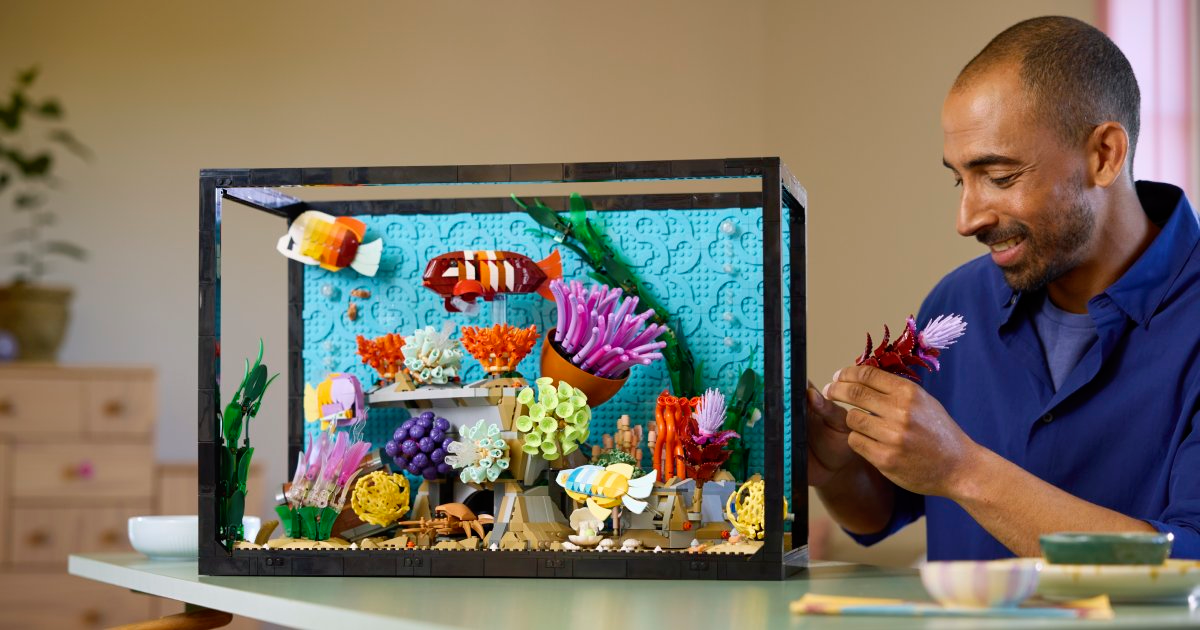
Nostalgia, in particular, is a powerful driver. Classic brands such as LEGO and Pokémon have seen remarkable engagement from adult buyers, with LEGO’s broad range of complex sets and Pokémon card products attracting devotees well beyond childhood. These categories combine robust brand heritage with collectible appeal, making them perennial favourites for kids and adults alike.
Beyond nostalgia, social media platforms like TikTok and Instagram have dramatically reshaped how consumers discover and engage with toys. “Unboxing” videos, collectible showcases, and viral toy trends fuel excitement and help build communities around products, encouraging repeat purchases and expanding audiences. This “joy economy,” where affordable fun and emotional connection are paramount, is a significant force, particularly among Gen Z and young adults.
Several factors explain why kidults are redefining the U.K. toy market.
Lifestyle and Emotional Value
Adults often purchase toys not just for play, but for relaxation, stress relief, or décor. Buildable sets, puzzles, and crafts offer screen-free, immersive experiences that appeal to those seeking mindful or creative activities. There are now even coffee shops opening in the U.K. centred around LEGO construction and buildable sets.
Collectability and Community
Collectible lines, from limited-edition vinyl figures to trading cards and blind-box series, thrive on scarcity and community engagement. Brands that foster collector communities—whether through social media or live events—tap into a sense of belonging that transcends age.
Licensing and Cross-Generational Appeal
Licensed toys tied to established pop culture franchises continue to outperform many non-licensed lines. Whether inspired by films, TV shows, sports, or gaming IPs, these products benefit from their cross-generational appeal, driving both nostalgia and fandom. Licensed toy sales across Europe have outpaced the broader market, underscoring the strength of IP-driven play experiences.
For licensors and brand owners, the rise of the kidult is a strategic opportunity. It broadens the potential audience for character brands and related products far beyond children’s birthdays and holiday gifting peaks. IP owners can now explore product lines, co-branding, and experiential extensions that speak directly to adult passions and nostalgia.
Retailers are beginning to adjust too. Adult-oriented displays, collectable-focused merchandising, and premium toy tiers are becoming commonplace. Even broader lifestyle and fashion players are collaborating with toy brands, bridging categories and multiplying touchpoints with consumers.
The U.K. toy market’s evolution signals a larger shift in how society thinks about play—it’s no longer confined to childhood but embraced as a lifelong pursuit that enhances creativity, connection, and wellbeing. As kidults continue to grow in influence and spend, brands and licensors that recognise and engage with this audience stand to benefit from one of the most dynamic phases in the toy industry’s recent history.