




The Food Industry’s Growing Appetite for Innovation
By Mark Seavy
Food companies are leaning heavily into innovation to keep pace with rapidly changing consumer preferences, including growing demand for protein-rich and healthy meals.
Those shifts in consumer appetites were evident at the Specialty Food Association’s (SFA) Winter FancyFaire event this week, where even the name of the show (formerly the Winter Fancy Food Show) was changed to reflect ever-changing health and wellness trends. That included a greater emphasis at the show on protein-infused foods, larger amounts of fiber, and non-alcoholic beverages.
This shift comes as consumers embrace GLP drugs (Novo Nordisk’s Ozempic, Eli Lilly & Co.’s Mounjaro, and others) that treat obesity and promote weight loss by slowing digestion, reducing appetite, and increasing feelings of fullness. And, as a result, many consumers are changing their diets. Annual sales of fiber-based products, for example, have increased 25-30%, according to the SFA.
“There is a concerted effort across the food supply chain—from manufacturers to food service—to offer more clean, transparent, and simplistic ingredients,” said Brian Choi, CEO of market research firm The Food Institute. “This is not going to change. GLP is one of those drugs that changes [consumer] consumption patterns and they are drinking less alcohol and need more protein in their diets.”
These changes in consumption have now found their way into licensing.
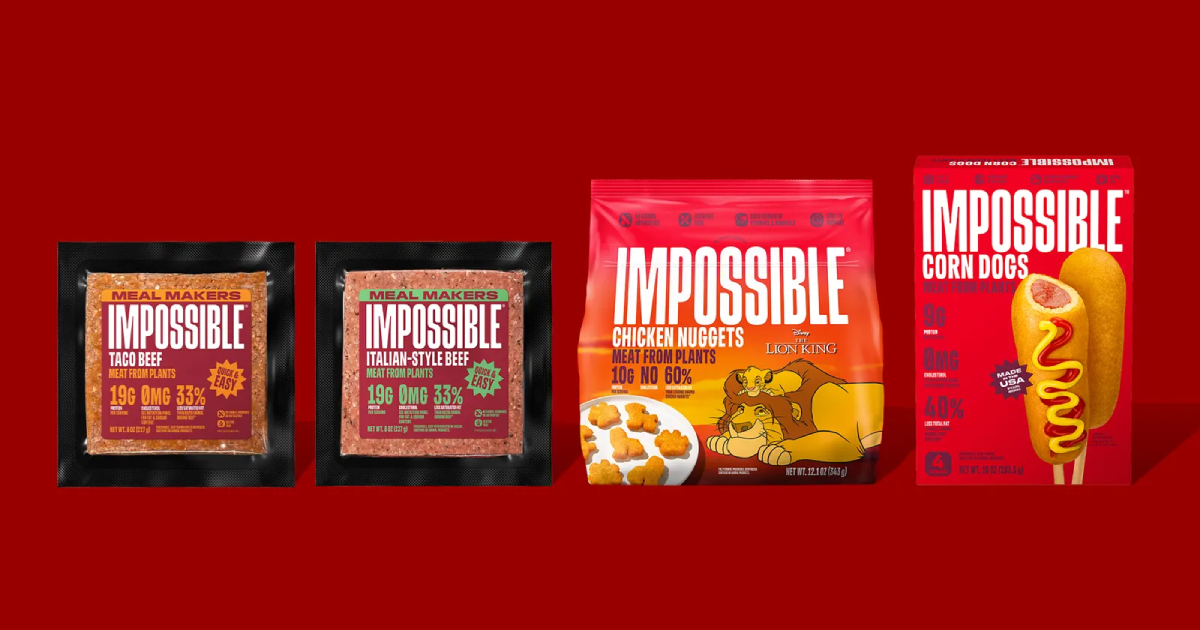
Plant-based meat supplier Impossible Foods struck an ingredients licensing agreement with food technology company Equii (formerly Cella Farms) to strengthen its position in protein. Equii uses yeast to ferment grain to create high-protein, low-carb flour as well as staple foods like bread and pasta. Singapore-based Kawan Foods, meanwhile, has implemented limited-time trial offers for products like its pita bread to determine consumer demand. It recently launched shawarma pita bread that was developed in around two weeks.
“Consumers now have more information, they have different needs, and as a company we have to stay very close to those insights,” said Solomon Cohen, CEO at Papa Mountain, which makes gluten-free cheese bread rolls that contain 10 grams of protein per slice, along with fiber.
In the U.S., specifically, specialty food companies are racing to keep pace with the new Dietary Guidelines for Americans (2025-2030) that were implement this month by U.S. Health and Human Services Secretary Robert F. Kennedy Jr. The guidelines emphasize protein, produce, and whole grains while cutting back on processed foods, added sugars, and refined carbs. The guidelines recommend three servings of vegetables and two servings of fruit per day for a 2,000-calorie diet and distinguish naturally occurring sugars in whole fruits from added sugars.
While trends like protein-rich snack foods result in changing purchasing habits and evolving strategies for licensing executives, some experts in the food space are urging consumers and brand owners to carefully examine claims around health before jumping on any bandwagons.
“The focus has been on issues that just simply aren’t going to have a positive health impact, things like food dyes,” said chef Sam Kass, the author of The Last Supper and former Senior Policy Advisor for Nutrition in Michelle Obama’s “Let’s Move” campaign, said during the keynote speech at Winter FancyFaire. “I am not a champion of food dyes, but they are not driving poor health outcomes in this country. There is no evidence about these issues and there are just random announcements about food dyes and seed oils, the research of which is also incomplete.”