




The Italian Way to Embrace Luxury at Home
By Roberta Nebbia, Italy Managing Director at Licensing International
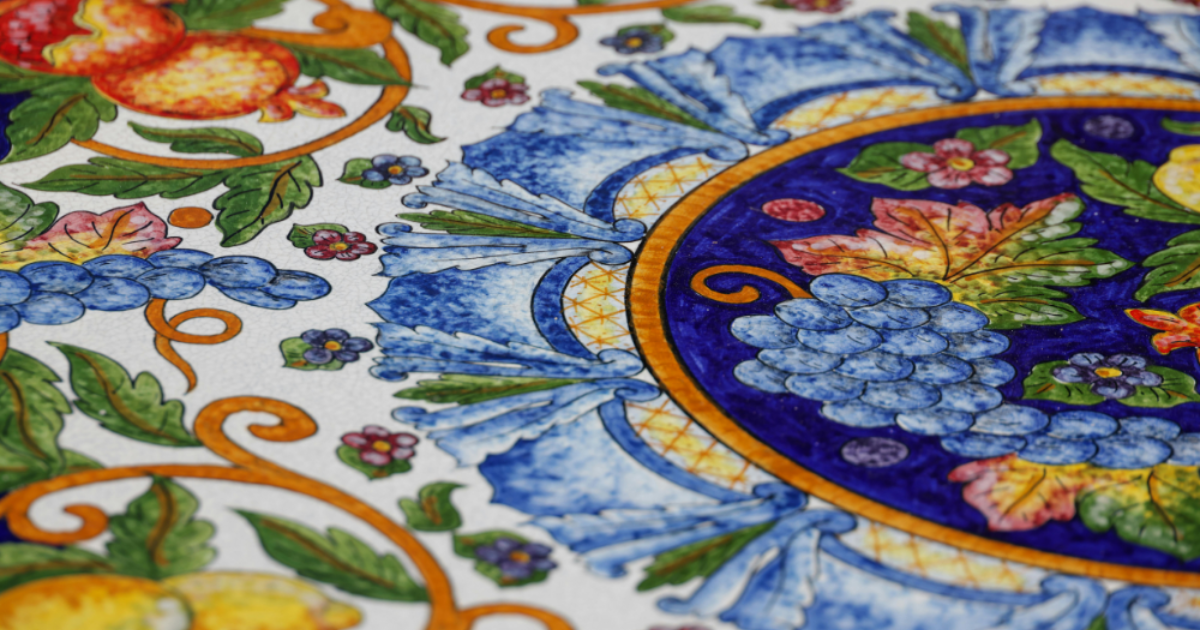
When Dolce & Gabbana draw inspiration from the patterns of Southern Italian handmade ceramics—the iconic majolica—and translate those motifs into licensed collaborations with Smeg for kitchen appliances and Bialetti for its iconic moka pot, the result is more than a design exercise. A quiet but powerful process unfolds, starting from Domenico Dolce’s Sicilian roots, as the home element returns to its natural environment. Decorative languages born in kitchens and courtyards of the past travel through time and ultimately settle back into daily ritual; they are transformed, yet culturally intact.
In the home sector, licensing stands at the crossroads of fashion, art, automotive, and luxury. It is precisely at this intersection that heritage becomes contemporary, culture becomes usable again, and meaning is rediscovered within the intimate environment of the home. Behind closed doors of the personal space, brands move from being admired to being lived again.
Italy offers several compelling case studies in this evolution, each one in its own way representing the “objectification” of art, design, and history.
Take, for example, the long-standing collaboration between Versace and Rosenthal. It’s a partnership that did not simply decorate porcelain with fashion motifs, but revamped the footprint of Gianni Versace, his beloved baroque aesthetic, and the iconic Medusa from his memories of ancient Greek ruins in Italy. The collaboration turned those elements into collectible tableware, transforming dining into a theatrical expression of identity.
Dolce & Gabbana and Versace, together with Trussardi, Bentley, and Bugatti, are the main strategic alliances of Luxury Living Group, a based in Forlì and a leader in the design, manufacturing, and distribution of luxury furniture. Additionally, Oniro Group, which is based in Cantù (Como), allies with Gianfranco Ferrè, Roberto Cavalli, and Etro to create exclusive home collections.
Whether it is defined as eclectic, bold, quiet, or rigorous, the object for these luxury home offerings is always centered around elegance. Such elegance is part of the Italian art and history. So much so, in fact, that Eleganza Missoni was the name of Philippe Starck’s chair for Kartell, which was customized with the fashion house’s trademark zig-zag patterned fabric.
Piedmont-based Alessi, meanwhile, elevated kitchenware into the realm of contemporary art by transforming everyday utensils into museum-worthy objects.
There have also been unique wallpapers by Italian-based London Art in collaboration with Marni, Toilet Paper Magazine, Dsquared2, and others. Additionally, Trussardi and Lamborghini can be found on the walls through customized wallpaper by Zambaiti Parati (Bergamo), while Missoni and Armani are incorporated into the collections of Jannelli & Volpi.
Like housewares, automotive brands can also provide an entrance into the world of luxury.
The relationship between luxury automotive design and luxury furniture is represented by the collaboration between Maserati and Giorgetti, where both the living and the driving experience converge.
In contrast to licensing strategies that rely heavily on visibility, logo-driven design, and branding impact, the Italian model is rooted in discretion and inner elegance. As the proverb reminds us, “When in Rome, do as the Romans do.” In the Italian home, this translates into respecting a deeply rooted stylistic grammar—in Italy, elegance, craftsmanship, and proportion are not trends, but culture.