



Videogame Development Goes Hybrid
By Mark Seavy
After years of shifting between outbound licensing or internal development, several companies are adopting a hybrid approach for videogames and mobile games.
The decision to adopt this mixed strategy appears to be an effort to gain greater control of the IP while still maintaining an outbound licensing program that can be successful, according to industry executives.
For example, the Hasbro-licensed Monopoly Go! mobile game, developed by Scopely, generated $168 million in revenue in Habro’s fiscal year that ended December 2025, said Hasbro CFO Gina Goetter. And the game is producing about $12 – $14 million in monthly revenue, she said. At same time, Hasbro’s Wizards of the Coast Division has two titles due in 2027 (after shutting down five videogame projects in 2023 and closing its internal videogame studio Atomic Arcade this year).
These efforts follow Hasbro’s long history in the videogame space, including the shutdown of Hasbro Interactive in 2001, which ended a six-year run and resulted in its subsequent sale to Infogrames. Later, Hasbro shifted to an outbound licensing program with, among others, Electronic Arts.
“I think the good thing about digital games is that we are getting past kind of the start-up phase,” Goetter said. “There are a lot of costs associated with starting studios and building up publishing capacity. That will help with profitability as we get past 2027.”
Also investing in a mixed strategy are Mattel, Sanrio, and Toei.
Mattel, which launched the Intellivision console in 1979 before shutting it down during a videogames market crash five years later, is again increasing its investment in the videogame category. It paid $159 million in February to buy out NetEase, which owned half of Mattel163, a mobile game join venture that was formed in 2018 and released four games, including Uno Wonder. Mattel also plans to self-publish two games later this year (including one based on Masters of the Universe) as it also expands experiences with Roblox and Epic Games’ Fortnite, company executives said.
Sanrio and Toei, meanwhile, are embarking on internal development for the first time.
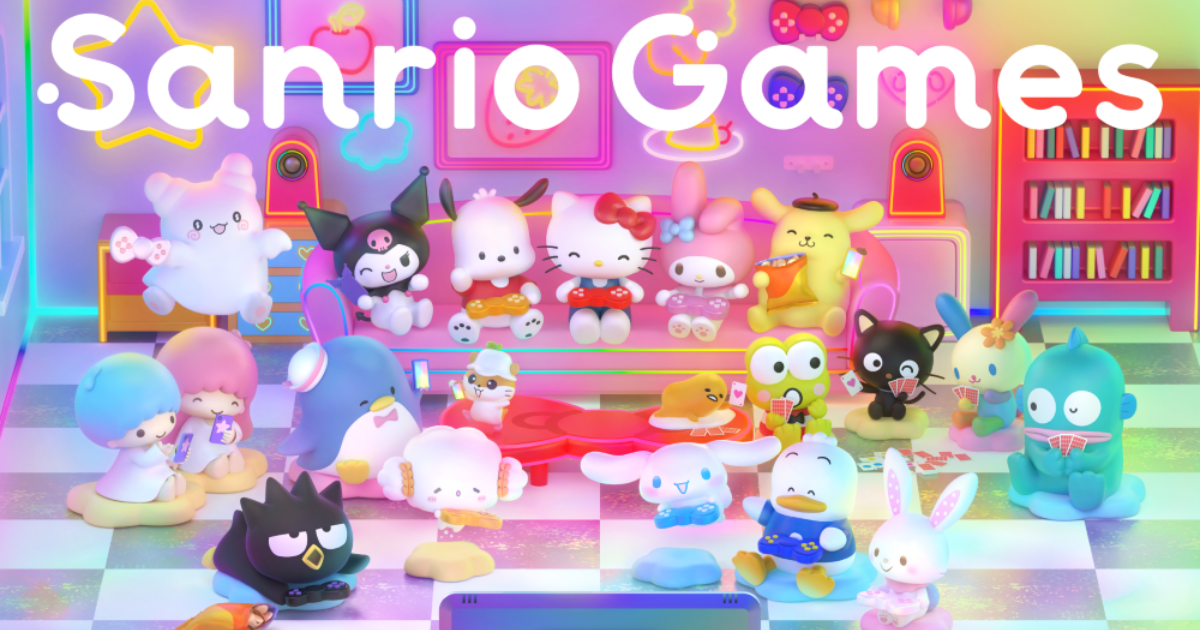
Sanrio, whose first licensed Hello Kitty game (Sanrio Carnival) was released on Nintendo’s Famicom console in 1990, will launch the internally developed Sanrio Party Land this fall on Nintendo Switch and Switch 2 consoles.
And Toei has formed Toei Games to focus on self-published titles. The gaming group will be a “new pillar” alongside Toei’s businesses in film, television, and events, said CEO Fumio Yoshimura. But the new division will not develop games based on the company’s existing IP, including Dragon Ball and One Piece, he said.
“The division will create entirely new IPs from scratch, rather than simply utilizing existing IPs,” Yoshimura said. “We will leverage the technology and expertise we have cultivated through video production into our new games business.”
Disney is also focused on leveraging existing expertise. The multimedia giant invested $1.5 billion in 2024 for a 9% stake in Epic Games, which has created Marvel, Star Wars, and other licensed videogame titles based on Disney IPs.
Netflix, meanwhile, launched Playground, a content and digital mobile games app that debuted in April and targets children under eight years old. Playground is a mix of internally developed and licensed games developed by third-party studios like Frosty Pop (Dr. Seuss Enterprises’ Horton! and Red Fish, Blue Fish) and StoryToys (Bad Dinosaurs, which is based on a Netflix series released in 2024).
“When you look at the mobile games industry, which is the largest segment of the videogames business, it has become very mature,” said Eric Handler, Managing Director, Media & Entertainment Analyst at Roth Capital Partners. “It is extremely competitive and costs a lot to scale a game. You do not need to own a studio or a game, but you can fund [the] development of one. What you do need is more capital to drive demand and acquire users.”