



Home Textiles Expand Licensed Brand Business
By Mark Seavy
Brands are playing a more prominent role in home textiles as the category increasingly intersects with interior and architecture design trends. This comes as companies work to appeal to Gen Z consumers that will soon be focused on their homes and apartments.
That shift was clear at the recent New York Home Fashion Week, with brands at the event serving as a key component in an industry where thread counts, fabric type, weight, and weave patterns are typically paramount.
Indeed, while private label (which represents 26% of Macy’s home textiles business and a sizable percentage of Target’s) remains a central strategy, standalone brands are making headway in the industry.
And while many brand licensing deals are in the form of direct-to-retail (DTR) deals—Costco has them for Authentic Brands Group’s Frye and Charisma Brands LLC’s labels and Burlington Stores has one for former New York Giants star Michael Strahan’s label—they are increasingly finding a home with licensees.
Town & Country, for example, signed a deal for the Broyhill furniture label (rugs, pillows, décor) that Gordon Brothers acquired last year from bankrupt retailer Big Lots. At the same time, Town & Country is launching its namesake brand for shower curtains, bathmats, kitchen linens, and window treatments, with the latter shipping in the spring.
And Pem America forged bedding agreements for Galaxy Universal’s Cherokee, Simply Belle Holdings’ Simply Belle, and Sam Edelman. Additionally, WestPoint Home sold its Flatiron brand to supplier KKP India, which previously handled distribution but will now shift from volume-driven production to brand-led growth, textile industry executives said.
“Retailers are reaching back to carry more brands but they still want some uniqueness,” said Walter Bridgham, Senior Business Development Manager at Lenzing North America, which supplies TENCEL wood-based cellulose fibers to textile suppliers. “There is going to be a little bit less private label and more market brands.”
In the children’s bedding business, specifically, DTRs are extending.
Target, for example, launched a collab between its Pillowfort private label and Hasbro’s Hot Wheels that is being deployed across 42 comforters, quilts, rugs, lighting, and storage products. Crate & Barrell’s 40-store Crate & Kids format (formerly Land of Nod), meanwhile, unveiled limited edition Converse furniture, bedding, lighting, and décor, marking the Nike-owned brand’s first venture into children’s furniture. It was also Crate & Kids’ first fashion partnership.
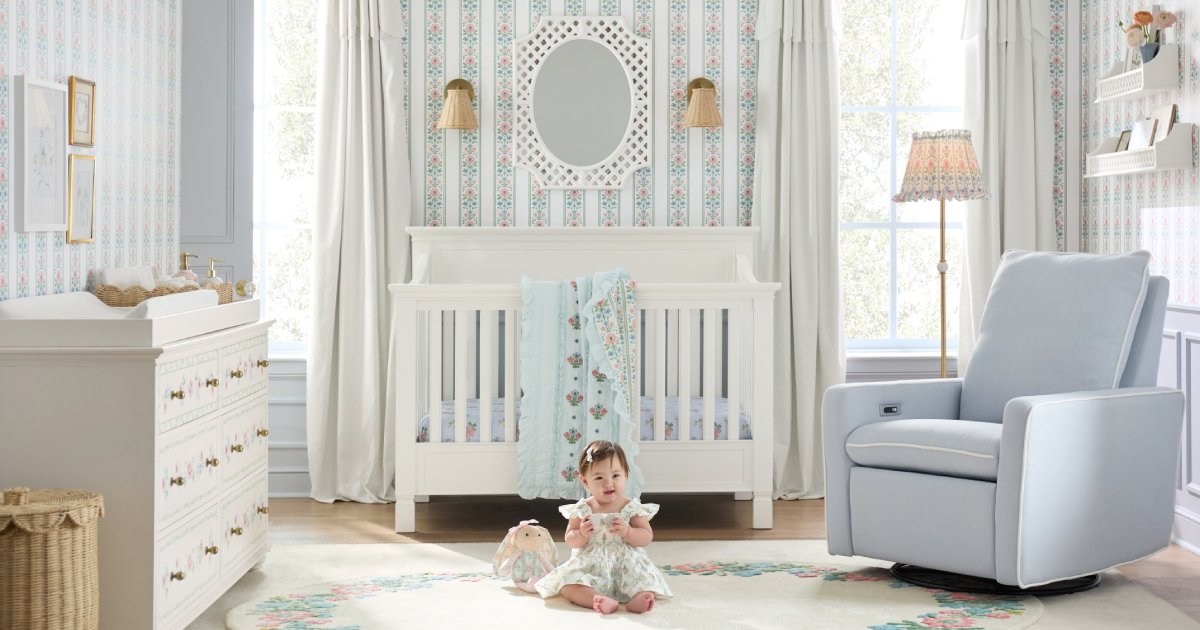
And Williams- Sonoma’s 45-store Pottery Barn Kids and 10-store Pottery Barn Teen chains introduced a collab with direct-to-consumer apparel company Hill House Home for quilts, sheet sets, baby blankets, and duvets. Town & Country also deployed its brightly colored Town & Country Play brand targeting children through Bed Bath & Beyond.
“We are waiting for the right person, brand, or look that is going to capture the imagination of Gen Z as they start getting into their home formation years and start spending money on our products as opposed to fashion and makeup,” said Judi Alvarez, VP Licensing and Marketing at Town & Country Living.