



The Future of Licensing is Experiential
An Executive Voices Blog by George Wade, President of Bay Laurel Advisors
Brands have become an increasingly powerful driver of guest experiences. Over the last decade, the world of location-based entertainment (LBE) has diversified dramatically, with entertainment brands emerging as a critical element not only in driving revenues, but also in creating memorable and emotionally engaging guest experiences.
Consumers have clearly demonstrated a growing preference for experiences over products, and their expectations for storytelling, immersion, and emotional engagement continue to expand rapidly.
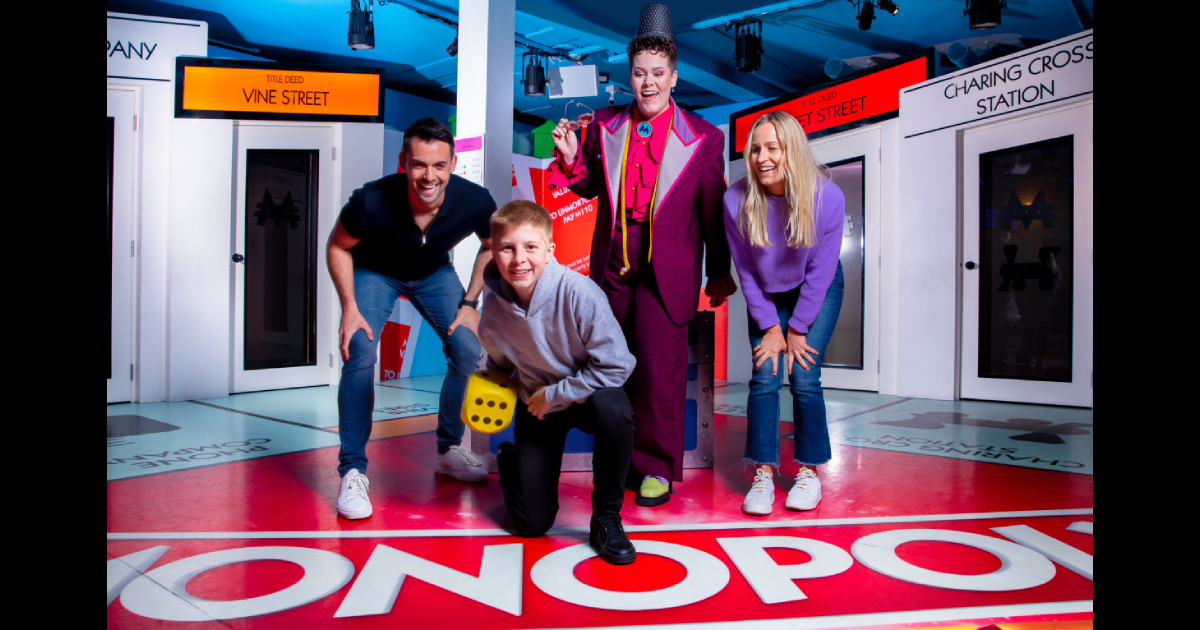
In fact, the range of branded licensed projects that have recently opened or been announced include everything from Peppa Pig Theme Park in North Richland Hills, Texas (opened February 2025) to the How Do You Do Snoopy Tour, Asia in Taiwan (opened December 2025) and from the Bluey-themed roller coaster at Alton Towers (opening Spring 2026) to the Monopoly Steakhouse in Mexico (opening May 2026).
Other recent or upcoming offerings include the Mattel indoor waterparks (announced with American Resort Management and set to open across multiple locations), the Miraculous: Superhero Training in Paris, France (opened April 2026), the Minecraft Experience: Villager Rescue in London (opened April 2025), the Care Bears special event at Drayton Manor (took place in March 2026), the Fallout Halloween Maze at Universal Studios (Halloween 2025), The Messi Experience (2024), Angry Birds at Toca Social U.K. (opened Spring 2026), and the Hallmark Stars Live Tour (set to launch in July 2026).
And while entertainment brands have been critical to the success of operators seeking to meet these evolving expectations, the increasing demand for immersive experiences means that there are opportunities for brands of all kinds—including corporate, fashion, sports, and more—to break into the LBE landscape.
But these opportunities aren’t limited to large, globe-spanning properties. I am often asked about the importance of this sector to brands of differing sizes, and, in the world of guest experiences, a brand has the unique opportunity to create lasting emotional connections with consumers in ways that are extremely difficult to replicate within a traditional retail environment. Because of this, many smaller brands have found significant success in the LBE landscape.
As consumers increasingly seek new forms of entertainment and social engagement, LBE offers licensors an expansive range of opportunities to extend their brands beyond media and into immersive real-world environments, regardless of their size. Several LBE formats, like pop-ups, special events, cafes, and theme park singular rides or attractions have smaller footprints and require less investment, making them well suited for smaller brands.
This is significant because one of the strengths of location-based entertainment is the incredible diversity of guest experiences represented, including everything from a temporary pop-up to more involved offerings like waterparks, theme park attractions, and themed restaurants. These projects range from smaller experiential activations to something much larger in scale. Likewise, the brands involved span every demographic, from globally recognized corporate franchises to emerging properties created by smaller scale content owners.
The core message is clear—there are tremendous opportunities within the world of location-based entertainment to engage with and entertain consumers in the physical world.
As a result, it has also become clear that the future of licensing is not confined to products on shelves—it is being brought to life through experiences that consumers can physically step into, share, and remember. From themed dining and touring exhibitions to educational museum experiences and theme park rides, LBE continues to evolve into one of the most dynamic growth sectors within the global licensing industry.
In fact, new data from Licensing International’s 2026 Global Licensing Industry Study shows that licensed offerings in the LBE category grew 6.0% last year to reach $10.1 billion in global sales revenue. This represents ongoing growth, following a 5.5% increase in 2024 and a 13.5% increase in 2023.
That momentum is only the beginning, and the next generation of branded experiences promises to be even more immersive, innovative, and impactful for consumers around the world.
Making matches between brands and LBE is the primary focus of Bay Laurel Advisors, a consultancy founded by George Wade in 2009. This thriving practice is led by Wade and supported by a network of seasoned entertainment industry specialists. With its unmatched combination of resources, Bay Laurel Advisors helps clients identify strategic entertainment approaches that will be popular with consumers and that will allow the developer/investor to realize a respectable return on investment. Bay Laurel also supports clients in identifying and managing creative talents required to develop the overall creative vision and bring the concepts to fruition.