



LBE Deepens Reach in Licensing
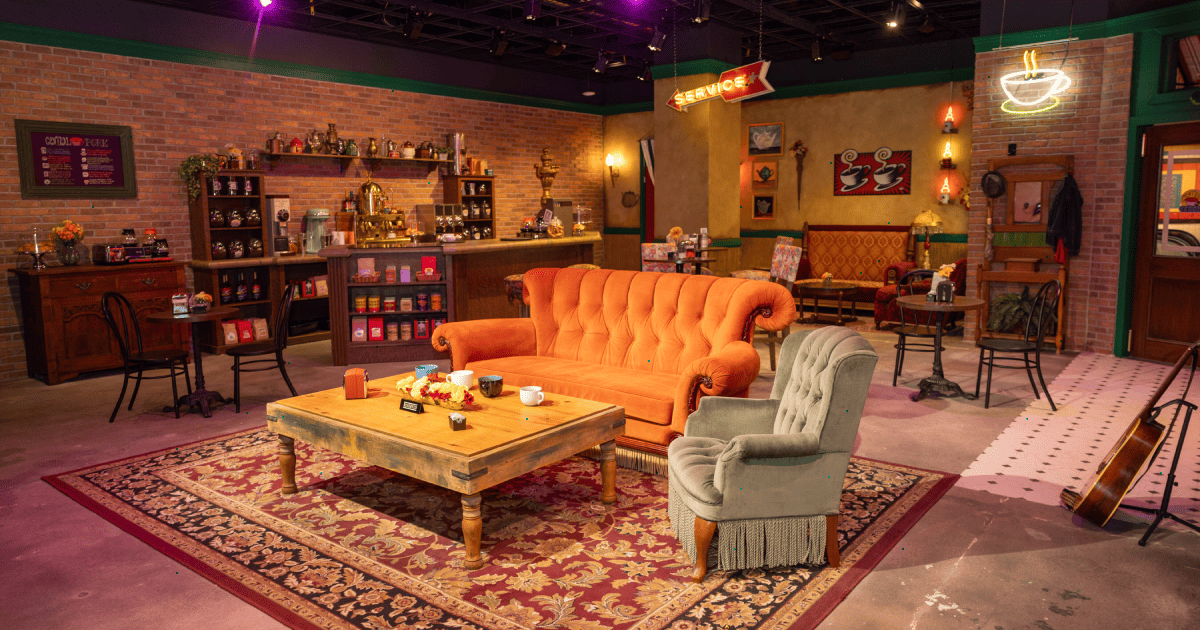
Photo courtesy of Original X Productions / The FRIENDS™ Experience
By Mark Seavy
Location-based entertainment (LBE) has become a requirement for the licensing industry as consumers seek ever-deeper connections with brands.
And while the size and scope of the offering can mean the turnaround for a branded experience takes year and not months, as is the case with many consumer products, brands are making the category a priority in not just their licensing programs but also their marketing strategies.
The scope of LBE, which includes everything from theme parks to temporary pop-ups, were on display at the recent Licensing Expo in Las Vegas. This increased presence at the tradeshow built on the momentum from last year’s event.
Take, for example, Penguin Random House’s plans for an experience built around author Richard Scarry’s Busy World series at the three-story Merci boutique in Paris or author Louise Fitzhugh’s classic book Harriet the Spy, which is in development with licensee iTheatrics for an upcoming musical. Fred Rogers Productions, meanwhile, introduced a Daniel Tiger’s Neighborhood at the Bronx Zoo experience in New York that opened May 22 and runs through September 7 as part of its work with RWS Global and features a nature walk and stage show.
“When it comes to experiences, it is all about timing and you may not have a theme park out of the gate, but you can do pop-up experiences, food and beverage, and, as the brand continues to grow, all the other opportunities come along,” said Matt Proulx, SVP for Global Experiences, Partnerships, and Music at Hasbro, which has multiple family entertainment centers (FECs) for Peppa Pig, Play-Doh, Nerf, and other IPs. Hasbro has also had discussions with Martin Aquatics regarding waterparks.
These opportunities for experiences are occurring with greater frequency.
Hasbro licensee Breakout Games, for example, has opened a half dozen Monopoly-branded escape rooms in the U.S. And Max-Matching Entertainment is building a Peppa Pig theme park in China as well as an entertainment cluster featuring multiple Hasbro brands and a Hasbro Play & Stay Hotel. And there’s licensee Timeless Brands, which recently opened a Monopoly Steakhouse in San Pedro Garza Garcia, Mexico.
Other brands are entering the fray via licensing agents, with StudioCanal having retained IMG with plans to create experiences around Terminator 2, Evil Dead, and the Rambo franchise. Dr. Seuss Enterprises hired WildBrain CPLG to support the development of LBE and Penguin Random House tapped the Art Ask Agency to work on licensing for Richard Scarry’s IP across Europe. Falcon’s Beyond, meanwhile, is developing LBE for CD Projket Red’s Cyberpunk 2077 videogame.
And children’s programming channels like Nickelodeon and Cartoon Network, which are working to retain viewers against the onslaught of YouTube, social media, and streaming services, are relying on experiences to promote their brands. While the 155-room Cartoon Network Hotel in East Lampeter Township, PA closed on January 1, ending a six-year run, Nickelodeon Hotels and Resorts are expanding.
Nickelodeon previously launched a resort in Punta Cana, Mexico, which itself was a reimagining of a concept that included the Holiday Inn-operated Nickelodeon Hotel Suites in Orlando, FL that closed in 2016 after an 11-year run. Licensee Karisma Hotels has since announced resort locations in Riviera Maya, Mexico; Antalya, Turkey; and Kissimmee, FL, the latter of which is scheduled to open this year as part of the “Everest Place” development. It is also scheduled to add a location in Garden Grove, CA in 2027.
“In a world where we are dominated by a screen, how do we connect with people on a different level?” said Melissa Oviedo, CEO of the Themed Entertainment Association. “Regionalization is going to be important for brands and experiences.”
Regionalization is just one way industry experts expect the category will grow and mature moving forward, especially as LBE offerings continue to expand as brands strive to engage more meaningfully with consumers.
“I think we are much further ahead than when I started at Hasbro [12 years ago],” Proulx said. “It has been an evolution, and it is still a very new industry. The physical aspect of it has been around for a long time, but as it relates to brands scaling [the business] and how it is amortized, we do not yet fully understand how to get there. You must nail it in an authentic way and there are many people that have stumbled.”