




Convenience Stores Gain Appetite for Expansion
By Mark Seavy
An increasing number of convenience store chains are scaling into juggernauts with multi-state locations and an increasing mix of premium products and specialty foods.
In doing so, convenience store chains, once better known for fuel, are taking cues from the grocery business by emphasizing made-to-order and better-for-you foods packed with protein, fiber, energy, collagen and other ingredients.
Casey’s General Stores, for example, has more than 2,900 locations and targets markets with populations of less than 20,000. The convenience retailer has posted sales gains in prepared foods and beverage(16%) and sandwiches(26%) over the past three years with an emphasis on made-from-scratch pizza and the addition of chicken wings, said Brad Haga, SVP Prepared Food & Dispensed Beverages at Casey’s. The push has led food and other products to account for 70% of Casey’s annual revenue with fuel representing the remaining 30%.
Meanwhile, the Wawa chain, which has 1,096 stores, has carved out a solid fan base and reputation for fresh produce. And the leader of the convenience store business, 7-Eleven (12,414 stores),has launched a licensing program with The Brand Liaison and partnered with the likes of Tetris, for its signature Slurpee drinks, Hershey’s Reese’s peanut butter cups (footwear), Crocs (footwear),and Chicago designer Joseph “Joe Freshgoods” Robinson (streetwear).
“There’s definitely a trend for a lot more functionality [in food],” said Darren Rebelez, President, CEO & Board Chair at Casey’s General Stores, which plans to open 400 locations through 2028. “Guests expect protein, they expect energy, they expect fiber, collagen. There are all kinds of additives and beneficial ingredients that are becoming more prevalent in products. And we’re certainly position to capitalize on that trend. And then from a personalization standpoint, we have it live and running on our app. We’ll continue to not only build even more data sets, but get a better understanding of our guests.”
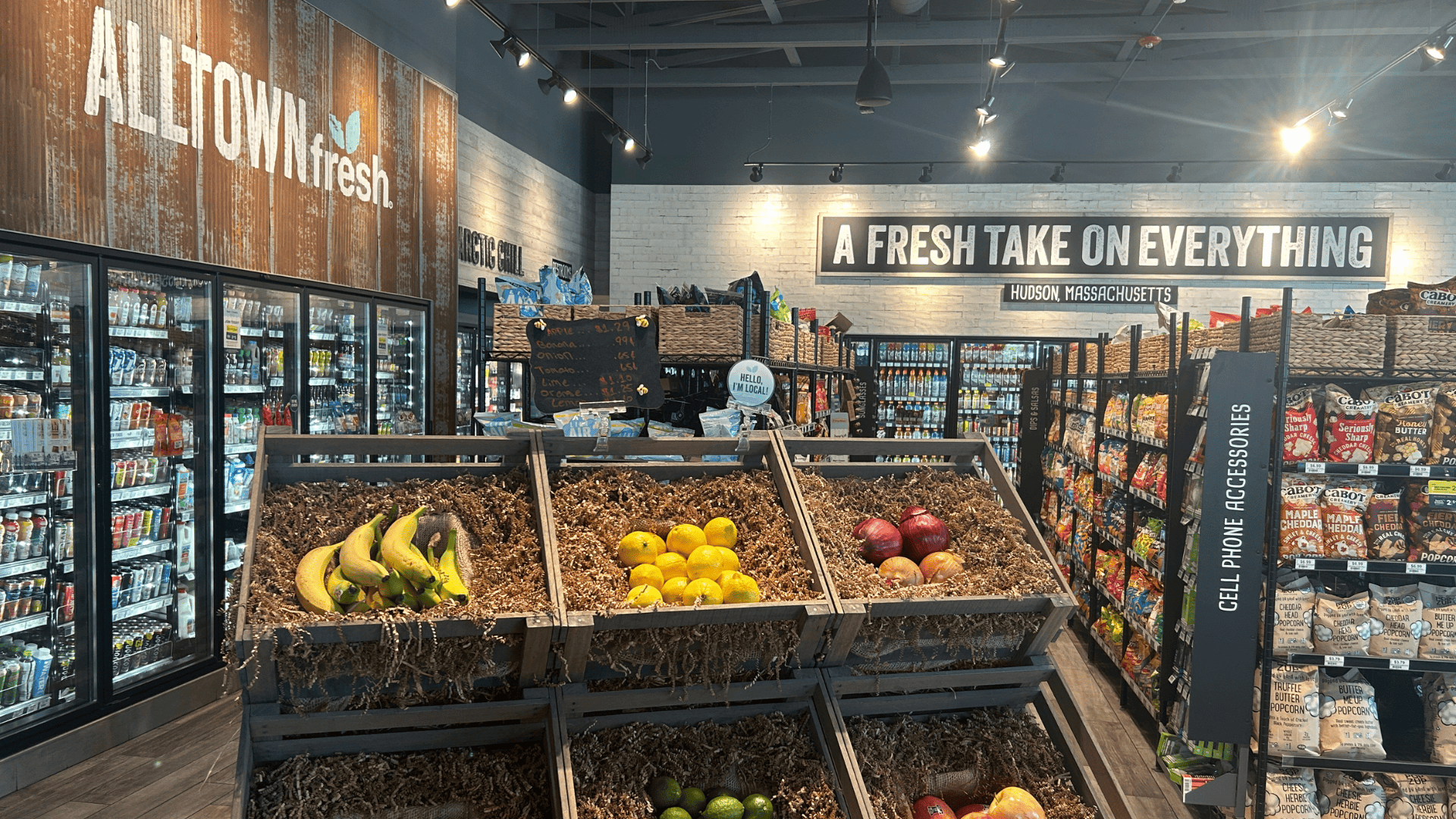
The data has led chains to revamp their stores with an eye toward attracting coveted Gen Z, Gen Alpha and millennial consumers. This specific segment spends 30% more in convenience stores, said Jac Moskalik, VP and Head of Food, Innovation and Strategy at Global Partners LP, which operates more than 1,700 stores under Alltown, XtraMart, Honey Farms, Jiffy Mart and other banners. In 2019, Global launched Alltown Fresh with 17 locations across the Northeastern U.S. with scratch kitchens and “elevated” product assortments, Moskalik said. In addition to Alltown Fresh’s expansion, the chain released an apparel collection earlier this year.
“It is a question of how we capture the curiosity of consumers so that we can bring them in and show them what we have,” said Matthew High, Senior Category Sales Manager at the 843-store Sheetz chain. “I think specialty food plays an easy role in that. When you add premier proteins to the menu that does a lot for your business and adds something that a customer would not expect from a convenience store. That is the whole point of the conversation.”
How that conversation plays out depends, to some extent, on whether the convenience stores industry, which generated about $818 billion in annual U.S. revenue in 2025 (including $341 billion in general merchandise and foodservice) buys into the shift in strategy and emphasis branding
There are 152,255 convenience stores in the U.S., the majority of which (more than 60%) are independent operators with 10 or fewer locations. But in Japan convenience store chains like Family Mart, Lawson, and 7-Eleven are known for their merchandising. And a more upscale convenience store format, Foxtrot, opened in Chicago, IL in 2015 featuring locally sourced wines and groceries and expanded to 33 locations before closing abruptly nine years later.
“Foxtrot was not just selling better food, but rather a vibe and sort of a niche experience that didn’t appeal to everybody because everything [in the store] was so expensive,” said Frank Beard, founder of the marketing firm Konbini Strategy. “Consumers are starting to ask very different questions about the food they are eating and maybe specialty food can be part of the solution. The convenience store industry meanwhile has been in midst of years’ worth of discussions about what the store of the future is going to look like. Convenience store retailers need to differentiate from selling the same products from the same consumer products goods companies as everybody else.”
The need for change is underscored by the consolidation of the business that is underway. Cumberland Farms, which was purchased by UK-based, EG Group, has 1,464 locations in the U.S. and recently filed for an IPO. In advance of that, EG has been rebranding other chains it owns (Tom Thumb, Turkey Hill, Coen Markets and others) as Cumberland Farms. Casey’s, meanwhile, which has 550 locations in its home state of Iowa, recently expanded into Texas, where it sees room for 1,000-2,000 stores, company executives have said. And Salt Lake City, UT-based Maverik purchased 400-store Kum & Go chain for an estimated $2 billion in 2023, nearly doubling its size.
“The historical model for convenience, particularly in the U.S., is that you use fuel to attract people to your location,” said Richard Garcia, Shell Global Manager of Convenience Retailing Direct Operations. “That is absolutely changing to the store becoming the destination, and while they’re there, you hope they might buy fuel. Now it’s already happened.”