Theme Park Construction Continues
By Mark Seavy
While some concerns are being raised amid payment delays, cancelled contracts, and a decline in tourism in the Middle East due to ongoing global conflicts, construction of licensed theme parks continues throughout the region.
Comcast announced plans for a Universal Pictures Saudi Arabia park earlier this month and Hasbro licensee BAAN Holding Group started construction for the 2,600-square-meter Playocity at the Westfield Center mall in Jeddah, Saudi Arabia that will open in Q1 2027. Disney has also aired plans for a park in Saudi Arabia.
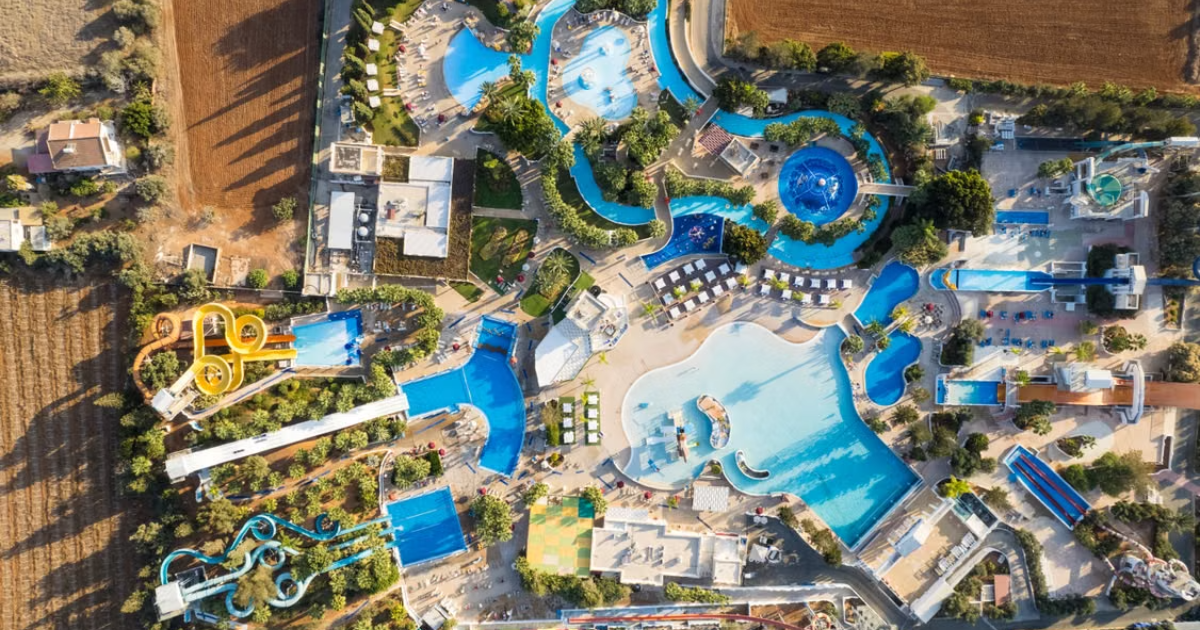
And that is in addition to Motiongate, which opened in Dubai in the United Arab Emirates (UAE) in 2016 to house themed rides for Columbia Pictures, Lionsgate, and DreamWorks. Saudi Arabia’s Qiddiya Project, meanwhile, is a key part of the country’s Vision 2030 campaign and houses a Six Flags Entertainment park that opened in late December. It is scheduled to feature a Formula 1 track, an Aquarabia water park, and Qiddiya Investment Corp.’s Dragon Ball land, the construction contracts for which were issued in September as part of a master plan designed by Falcon’s Creative Group.
Yet while construction continues, challenges remain.
In Dubai, tourism accounts for 13% of the UAE’s gross domestic product. According to data from Dubai’s Economy and Tourism Department, the number of international visitors declined to 6.97 million between January and August, down from 12.54 million during the same period a year earlier. And hotel occupancy declined to 36% in March, though the occupancy rate in Dubai hotels had recovered to 66% by August.
Additionally, flights in the region have been disrupted. Dubai International Airport was forecast to have 100 million passengers this year but that has been reduced to 70 million. And MSC Cruises pulled MSC World Europa ships (which typically carry 7,000 passengers) from Dubai, Abu Dhabi, and Doha.
In some cases, payments in Middle East regions most impacted by conflict have been delayed along a payment chain stretching from governments and contractors to licensees and licensors, industry executives said.
“They have been working on the projects, but there are some where contractors have not been paid or payments have been delayed,” said Amer Bitar, CEO at the agency BBM Licensing, who specializes in the Middle East, Africa, and Turkey. “Many of the projects were focused on tourists and they are not coming to Dubai and Abu Dhabi right now, so that also will have an effect on retail sales.”
But for those areas located outside the conflict zones, business is moving forward—with one licensee reporting no delays in payments or projects.
“We are concerned about the situation, but in Saudi Arabia we aren’t experiencing any delays [in payments and projects],” a licensing executive said. “It is causing problems with travel because the Riyadh [Saudi Arabia] airport is closed quite a bit. In the UAE you have a high-volume tourism business, so they are going to have an impact that would be different certainly than Qatar and Saudi Arabia because you do not have that active leisure tourism market.”
In fact, the call for immersive experiences in the region is expected to continue to grow. And so the pressure, according to Philippe Guinaudeau, CEO at market research firm BrandTrends Group, is on supply, not demand.