




Athletes Deepen Investment in Licensing
By Mark Seavy
Professional athletes have been scoring big with consumer brands for years. And while the late New York Yankees star Lou Gehrig may have first appeared on the General Mills’ Wheaties cereal box in 1934, modern athletes are now striking deals that make endorsements the icing on the cake rather than the driver of agreements.
In many cases, that means separating sports agents and contract negotiations from the broader business of endorsements, licensing, personal appearances, and investing in up-and-coming brands.
One athlete using this updated playbook is New York Knicks star Jalen Brunson who, along with his family, formed Thirty Third Management Group, a brand advisory firm that will manage his off-court business and represent other clients. It also represents a separation from Brunson’s NBA playing contract negotiations, which remain with his CAA agent Sam Rose. The management group announced the law firm Meister Seelig & Schuster as general counsel and Focus Financial Partners as financial adviser for deals. That focus was underscored by Brunson’s investment in the 125-restaurant fast-casual chain Just Salad.
Brunson also has agreements with Nike, food delivery service Door Dash, AT&T, and others, and is seeking a new apparel deal as his 2022 agreement with supplier Faherty ends.
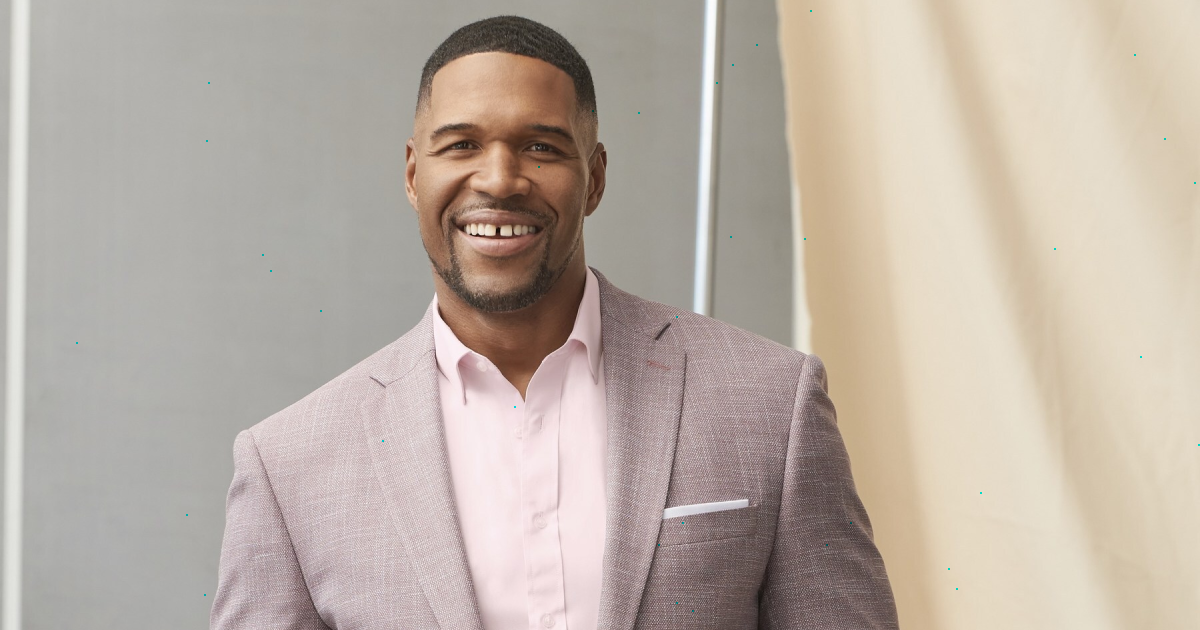
In some ways, Brunson’s business mirrors a strategy employed by former New York Giants star and current Good Morning America co-anchor Michael Strahan. The former all-pro defensive end formed SMAC Entertainment with business partner Constance Schwartz-Morini in 2011 to manage his off-field business and represent other stars, a roster that has grown to include Deion “Coach Prime” Sanders, Fox Sports reporter Erin Andrews, former NFL tight end Tony Gonzalez, NFL wide receiver Stefon Diggs, and rappers Wiz Khalifa and Common.
Strahan, who got his start in licensing in 2015 with tailored clothing (suit separates and sport coats) sold though JCPenney, launched the The Intersection podcast network earlier this month with Sinclair Broadcast Group’s AMP Media.
Similarly, the NBA Oklahoma City Thunder star Shai Gilgeous-Alexander split with agency Wasserman Sports in 2025 to represent himself in contract negotiations. He also hired Isla Management to oversee his off-court business, including licensing (featuring a trading card deal with Panini America). The law firm ArentFox Schiff handles trademark enforcement for Gilgeous-Alexander.
“Jalen has been successful off-court and has decided to forge a different path for the future by taking the business in-house,” said Jed Ferdinand, a partner at Meister Seelig & Schuster. “It is all about ownership and building for the future. When you are as prominent as Jalen is, and your phone rings every day with potential new deals, the truth is you do not need an outside agency to handle your off-court business if you are properly staffed. Other athletes have built their own businesses in different ways, and these different models can be successful.”
Indeed, Authentic Brands Group (ABG) invested in former NBA star Shaquille O’Neal brand in 2015. The agreement has since spawned many agreements, including those with insurance company The General, restaurant chain Papa John’s, PepsiCo, and others. O’Neal also invested in ABG, a move that could prove lucrative should the brand management firm launch an initial public offering.
NBA star Kevin Durant, meanwhile, formed Thirty-Five Ventures in 2016 with his manager Rich Kleiman and has since invested in 100 companies.
This trend toward athletes broadening their business and making a deeper investment in it is unlikely to slow down given that many professional leagues are now populated by a number of second-generation players whose families include experienced advisors. Major League Baseball has more than 270 second-generation players, at least 20 of whom were active in 2024, and seven third-generation combinations. And the NBA has had about 25 second-generation players.
“The shift toward formal family involvement in an athlete’s career is reshaping the sports and wealth management industries,” a licensing agent said. “What used to be an informal network of emotional support is now being structured into formal corporate entities, family offices, and strategic enterprises. Athletes are not just employees of a sports franchise, but rather autonomous enterprises.”