




Authenticity is a Key Ingredient for Beverage Brands
By Mark Seavy
In the ultra-competitive health and wellness business, authenticity is becoming a key ingredient.
While driving consumers to store shelves or websites remains paramount, brands now need to be true to consumers’ perceptions of them—something that is increasingly shaped by social media and deep research, according to suppliers at last week’s BevNet Live Conference in New York.
This is especially true in the beverage landscape, where companies are also looking to strategies like celebrity brands, trending ingredients, and limited time offers (LTO) to stand out from the crowd.
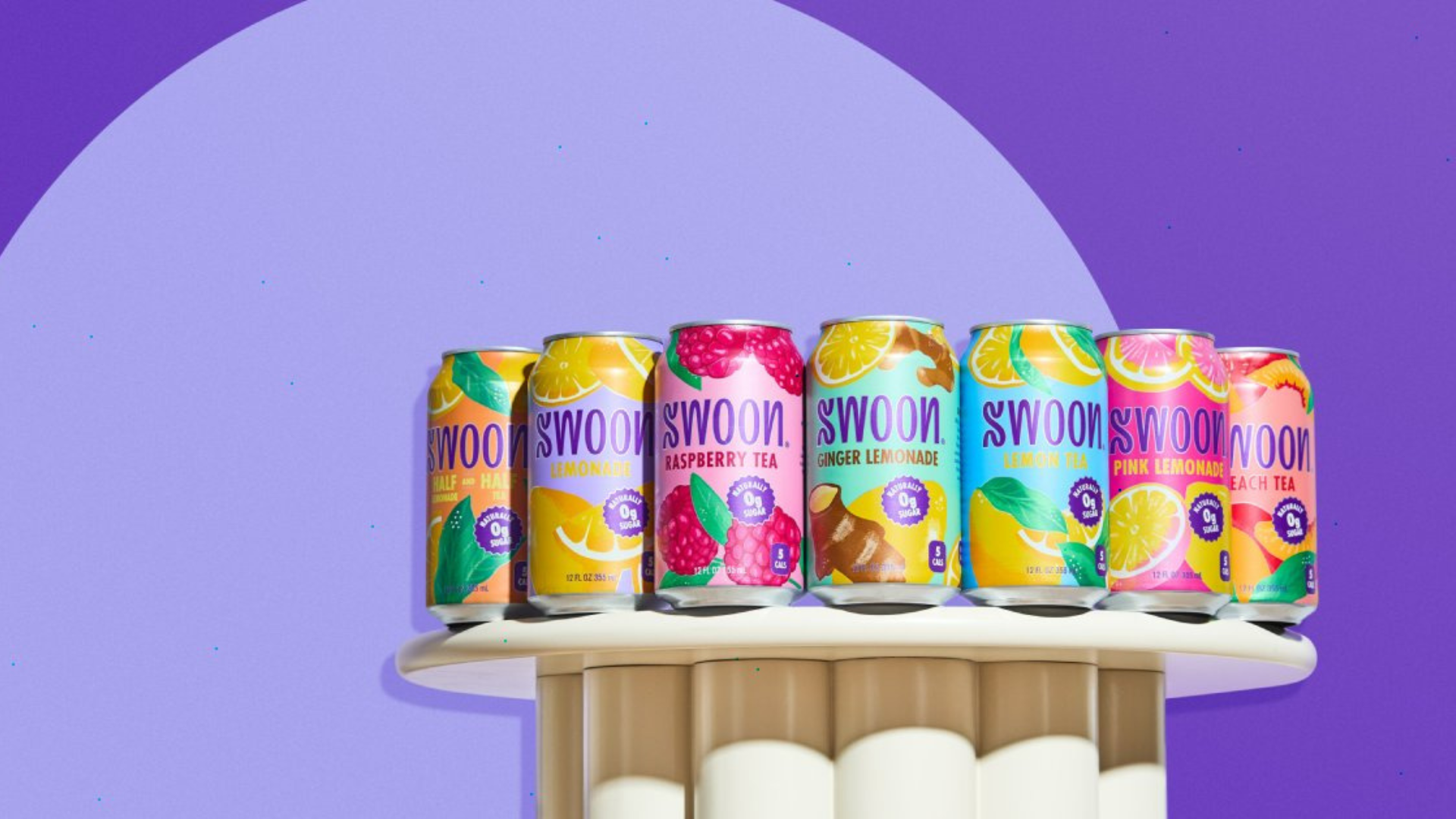
“It does feel like the business has a lot more activations now between [LTOs], collabs, and brand licensing,” said John Lawson, Senior Local Forager at the 532-store Whole Foods Market, which was among the launchpads for Swoon low-calorie lemonades, teas, and cocktail mixers that are sweetened with monk fruit and recently expanded to 2,000 Walmart locations. “But you want to evolve, be different than the others, and stand out. We are looking for authenticity that speaks to an experience or memory.”
The non-alcoholic beer brand Bero, which is owned by British actor Tom Holland, is launching an LTO for a shandy drink exclusively at Target on June 14 before extending it to other retailers on July 1. And Boston-based probiotic soda and seltzer brand Culture Pop introduced a sparkling black cherry collab with Vermont native and musician Noah Kahan that highlights their shared New England roots.
Pennsylvania-based soda and tea supplier Crooked Tea, meanwhile, has the backing of both former Philadelphia Phillies slugger Ryan Howard and Philadelphia Eagles defensive end Brandon Graham, the former having helped secure in-venue business at the Phillies’ Citizens Bank Park.
Many beverage brands are also focused on ingredients that are trending among the health and wellness community.
For example, protein and creatine (a natural compound made from amino acids) are currently among the in-demand ingredients for consumers. However, by tapping into the trends going viral with consumers (or focusing on social media-friendly pop-up events and experiences), emerging brands can “appear so much bigger than they are,” said Elly Truesdell, a former Whole Foods buyer and CEO of the investment firm New Fare Partners.
Despite the spotlight on trending ingredients and celebrity endorsements, Crooked Tea CEO Ben Weiss (who sold his low-calorie, antioxidant-infused beverage brand Bai to Dr. Pepper Snapple Group for $1.7 billion in 2017), says that health and wellness brands ultimately rise and fall on their own merits.
“There have been more than 20 celebrity beer brands, yet none of them have cracked the Top 20 in sales,” Weiss said. “We have continually asked retailers for smaller, regional pilots rather than national launches because we have seen whole categories come in and fail that take up a lot of space.”
Retailers similarly take a cautious approach while seeking new suppliers. Walmart, for example, recently formed an extension of its Emerging Brands group to include beverages headed by Senior Director Dee Charlemagne. For the time being, Emerging Brands will serve as an incubator for new brands rather than investing in them, Charlemagne said.
Walmart has also introduced sports drinks and soda made with cane sugar (Great Value) and functional ingredients (Bettergoods) as private labels. And it established a “Modern Soda” better-for-you beverage section in stores including Poppi, Olipop, and Zevia that starts at covering four feet and is also featured online.
“Our selections are based on customer data and while there are many brands with celebrities on them, we don’t care about that as much,” said Lesley Osorio, Senior Merchant at Walmart. “I work with many brands that have celebrities and it does nothing. You need to solve a customer problem and make sure the brand speaks to them. Ingredients are also important, especially as we see new Gen Z consumers that pay attention to them. But they are not the be all end all that defines the product.