




European Retailers Adjust to Changing Consumer Behavior
By Mark Seavy
With European consumer confidence shaken by ongoing global conflicts and rising prices, retailers are relying heavily on creating “value” as fashion, cultural, and social trends outweigh traditional brand affinity.
Yet how the industry defines value moves far beyond just price cuts and discounts, according to licensing executives. In the case of the supermarket chain Tesco, for example, it involves ensuring quality, something that has fueled strong sales of its Finest premium private label brand since it was first deployed in 1998, as well as creating experiences.
In fact, a number of chains across Europe are focused on developing experiential retail offerings. This includes in-store fitness classes that, in the case of several sports and athleisure brands, is forecast to help increase retail sales by 2% in Western Europe this year, according to financial services and investment firm Coldwell Banker Richard Ellis (CBRE).
“Consumer confidence remains subdued, while real incomes are growing, but the rate of growth is moderating,” according to CBRE. “Despite rate cuts during the past two years, household savings rates continue their upward trend. This suggests some degree of cautiousness among consumers, who may opt to hold back on discretionary spending.”
The potential pullback in consumer spending across Europe is forcing retailers to expand their food and beverage assortments in flagship stores while also creating more in-store formats to focus on experiences. Brands, meanwhile, will focus on direct-to-consumer business against wholesale to retailers, with stores serving as a “strategic expression of brand identity and experience,” according to CBRE.
J Sainsbury-owned grocery retailer Sainsbury’s has built consumer electronics and home goods retailer Argos, a chain it acquired in 2016, into some of its locations. The in-store format, which also comes in the form of online pickup locations, follows after J Sainsbury closed hundreds of standalone Argos stores. These efforts to integrate Argos into the Sainsbury’s format, however, have been ongoing for 10 years and last fall the retailer attempted to sell the chain to China’s JD.com.
“The [Argos] business has been quite challenged in terms of the kind of sales and profit trend,” James Collins, Director of Financial Planning at J Sainsbury, told analysts in a recent conference call. “It is a very well-known brand and many customers use it, but not frequently enough. We are focused on making it more relevant for more customers more often.”
The growing focus on value and in-store experiences comes as European retail consolidates and chains seek to build consumer loyalty as well as leverage online business to gain access to fan communities for sales and engagement, licensing executives said.
At the same time, retailers are seeking broader licensing representation in spaces like the sports and gaming landscapes. For example, the Formula 1 racing brand has been in the spotlight as retailers seek to grow awareness across social media and build brand loyalty by accessing new demographics. And, in fact, both gaming and racing are expected to be areas of focus for attendees at the upcoming Brand Licensing Europe event, which will run from October 6-8 at the Excel London.
“Evergreen brands are adapting by ensuring they offer relevant style guides that speak to the retail buying calendar, including creating explorations for local themes and seasonal holidays,” a licensing agency executive said. But while retail buyers seek greater access to asset kits and the style guides that govern licensing deals, providing that information “can be seen as a risk to brands if these are used by third parties,” the agency executive said.
Those risks could be amplified as competition grows for European retailers to give budget-conscious consumers more value.
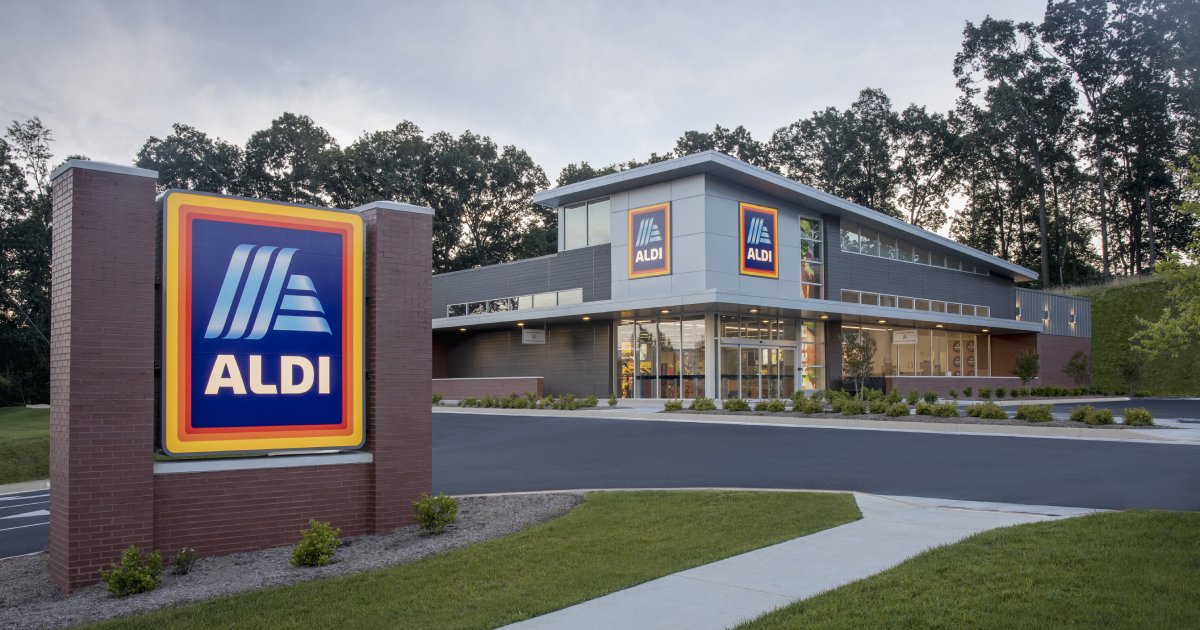
Tesco, for example, recently doubled the number of products it carries at everyday low prices to 3,000 SKUs. And the retailer finished its fiscal year on February 28 with 10,000 prices lower than at the start of the fiscal year, Group CEO Ken Murphy said. It also had 10,000 prices available exclusively to its 23 million Clubcard members and more than 600 prices that match those of rival Aldi, said Murphy, whose chain posted a 4.3% gain ($98.8 billion) in annual revenue.
“Customers were looking for greater certainty around the key value items that they have in their shopping baskets,” Murphy said. “We made a significant increase in branded everyday low pricing that customers can rely on. And we are seeing a volume uplift in sales of those products as a result.”