


Investment in Licensing Deepens
By Mark Seavy
As executives pursue new brands and technologies to attract ever-discerning consumers, they are deepening their investment in licensing.
And while companies have funded internal IP development or acquired brands for years—Jazwares purchased Kelly Toys Holdings in 2020, for example, which spawned the rise of Squishmallows—the stakes are rapidly rising.
Disney purchased a $1.5-billion stake in Epic Rights (Fortnite) in February 2024, expanding an investor base that also includes Tencent. And the media giant followed that up late last year with a $1-billion investment and licensing deal with artificial intelligence (AI) developer OpenAI. The three-year licensing deal, one year of which is exclusive, covers about 200 characters.
“There’s a huge opportunity for games and the investment that we made and the agreement that we reached with Epic Games, while that will largely be on their platform, gives us an opportunity to integrate a number of game-like features into Disney+,” CEO Bob Iger told investors in November. “The other thing that we’re really excited about, that AI is going to give us the ability to do, is to provide users of Disney+ with a much more engaged experience.”
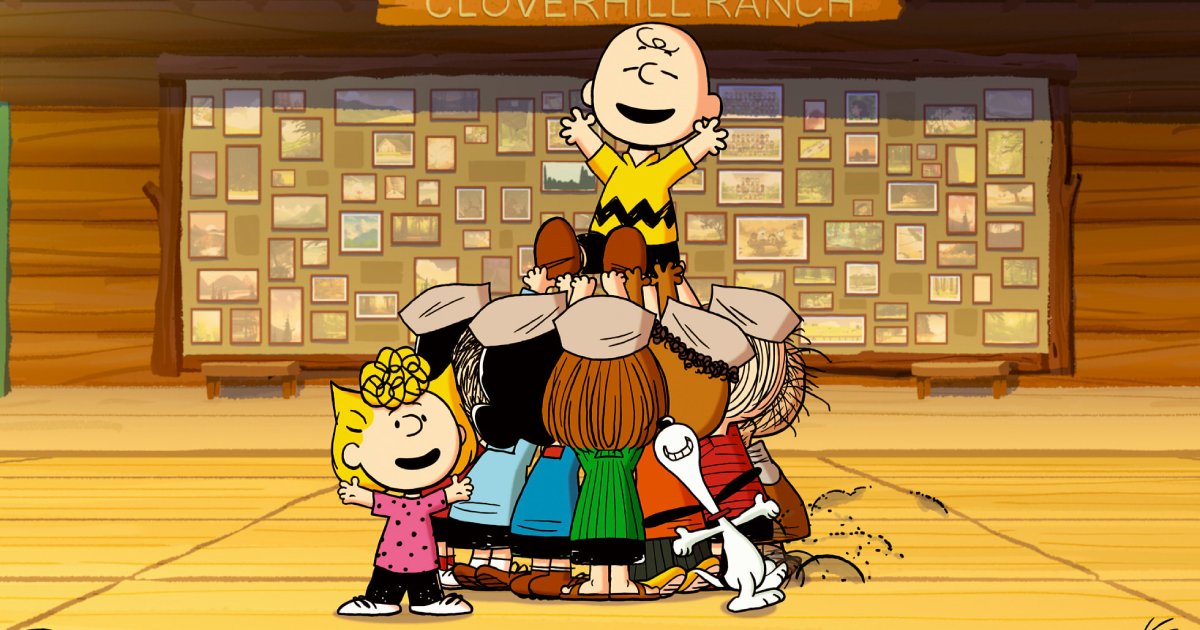
Sony Pictures Entertainment, meanwhile, acquired majority ownership of Peanuts Holdings from WildBrain for $457 million. The deal both relieved WildBrain of debt and signaled yet another life for an IP whose ownership has changed hands several times in the past decade in moving from Iconix International to WildBrain in 2018 and now landing with Sony.
And Jazwares shifted ownership in 2022 when its parent, Alleghany Capital, was purchased by Berkshire Hathaway. The transition was cemented by news Tuesday that Judd and Laura Zebersky, who founded Jazwares in 1997, were leaving the company.
The shift in focus from creating internally-developed IP to potentially investing in companies with complementary brands and technologies was underscored by Bioworld’s forming Bioworld Ventures late last year.
Bioworld has launched many of its own brands in the past, including Heroes & Villains and Atsuko, while also discontinuing others like Dumbgood (co-brands with Eggo and Blockbuster) and Graf (videogames). Even before forming the venture capital fund, however, Bioworld was buying companies to expand, including Portland Accessories (2023) and drinkware supplier Vandor (2018), the latter as the company formed a homegoods division. It also bought Character World Brands last year.
“We have been investing in external and internal IP for decades,” said Jason Mayes, Senior Director of Marketing and IP at Bioworld. “The venture fund is the next step in that evolution and is designed to act decisively and lead funding rounds when suitable. We will support early-stage businesses, not only with capital, but with deep operational expertise provided without mandatory service agreements. This can expand consumer reach across existing and new categories.”
Yet as more companies focus on these types of investments, there can and will be tradeoffs.
WildBrain will continue to produce content inspired by the Peanuts brand for the AppleTV streaming service “for years to come” by an agreement with Sony, including a feature film, CEO Josh Scherba told investors in December. Its CPLG licensing agency will also continue to represent the brand for consumer products licensing in the European, Middle East, and Asia Pacific regions. But WildBrain will lose the final sign off on content, which will reside with Sony.
“WildBrain has become for Peanuts essentially a work-for-hire studio and, at the end of the day, they have given up some management control,” a licensing executive said. “They have to be ready to follow Sony’s lead.”