



Tech Companies Look to Licensing
By Mark Seavy
Technology companies seeking to burnish their brands across health and wellness, robotics, and lighting technologies are looking to licensing.
The pursuit for recognition with consumers and investors alike was on full display at the recent Pepcom Spring Showcase in New York, where fledging and established companies alike were pairing with licensed brands.
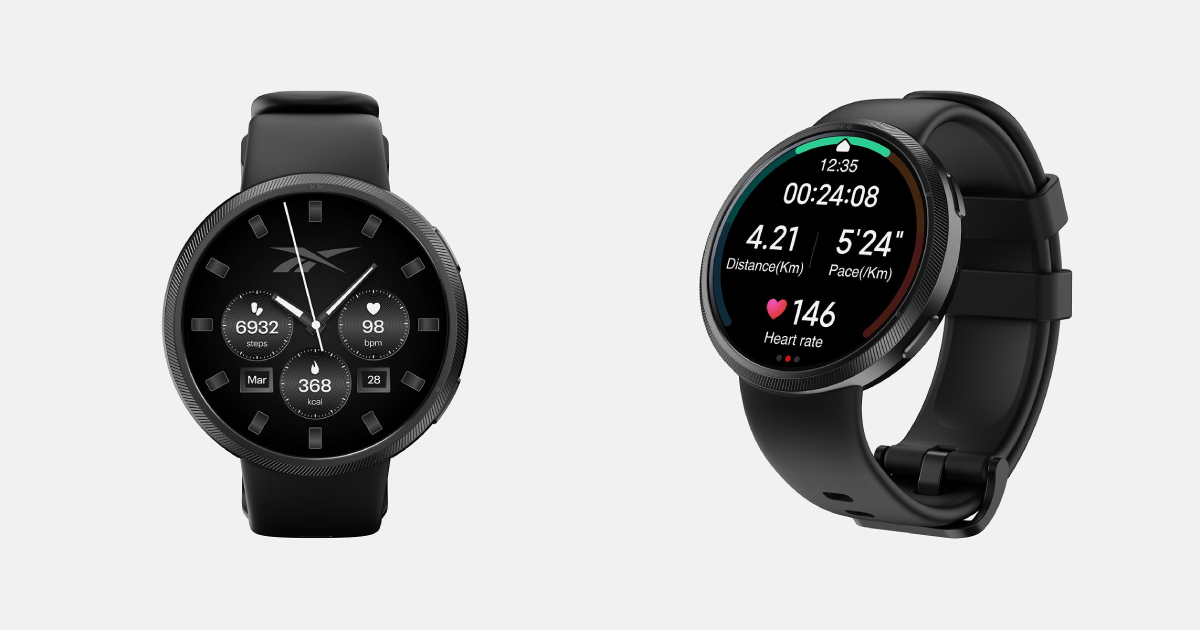
Vitalist, which last year renamed itself from CE Brands, has replaced the Motorola brand smart watches it sold for three years with Authentic Brands Group’s Reebok label. The change comes as Vitalist prepares to launch its own operating system (VitalistOS) this fall inside Rebook smartwatches along with MicroEJ’s virtualization technology to replace Lenovo’s proprietary Motorola software, CEO Kalvie Legat said. The company is also shifting to an OLED display from an LCD display.
Home automation company Savant, which acquired the General Electric (GE) Lighting business along with a 40-year license, is introducing the brand’s first “smart” shades (or shades overall for that matter) this fall. The shades, made from white or grey material with an aluminum frame, can fit windows up to 76 inches tall and operate via remote or through the Matter home connectivity standard that is compatible Amazon Alexa, Google Home, Samsung SmartThings, and Apple Home platforms.
And Hunter Fans, which licenses its brand via Brand Capital Marketing for dehumidifiers, air purifiers, and portable heaters, will expand its Business Insider Program next year to work with more interior designers. It currently has an agreement with HDTV host and interior designer Jasmine Roth (Help I Wrecked My House, Hidden Potential) for “fandelier” collections that combine fans and chandeliers.
“In a crowded market such as health and wellness, and with shrinking shelf space in some categories, licensed brands can get companies a conversation with retailers,” Legat said. “That is becoming more important as an ever-increasing number of brands come to market and can help companies expand.”
These technologies are also finding distribution through traditional, non-licensed brand building, however.
Battery-powered robotic lawnmower supplier Sunseeker has gained sales through Home Depot and Lowe’s despite a cutting width (8.6-14 inches) narrower than the standard 21- to 22-inch gas-powered version. Sunseeker also established a sales and service network through smaller specialty dealers. The company built its initial business as an OEM supplier of battery-powered lawnmowers. Similarly, Chinese transportation company Ninebot’s Segway and Mammotion (which has ties to AgileX Robotics) have no immediate plans for licensing.
“For the time-being, we are going to focus on our brand because we are a relatively new company and need to establish our brand before we decide on other business ventures,” said Eve Wu, a spokesperson for Mammotion, which is also introducing a robotic pool vacuum.
The emergence of these new brands in the space comes at a time of change in the lawnmower business.
Honda, for example, is shutting down production of gas-powered mowers and shifting manufacturing at a South Carolina plant to all-terrain vehicles while also moving focus to battery-powered push mowers. And outdoor power equipment supplier Stihl is discontinuing its iMOW robotic mowers in the U.S. and shifting emphasis to battery-powered versions, a spokesperson said.
For other companies, building recognition has come through co-branding. Eye massager supplier Renpho, for example, struck a deal to package its Eyeris 1 device with the Headspace mediation app. The app is built into its eye massager and features nine different eight-minute guided meditations.
“Putting the two together has been a good match and before there were no meditations in Eyeris 1 and this allows us to get in front of Headspace users,” a Renpho spokesperson said. The Headspace app has been downloaded 100 million times, with between two million and 2.8 million being paid subscribers.