
Women’s Professional Sports Leagues Seek Level Playing Field
By Mark Seavy
Amid soaring team values and franchise fees, women’s professional sports leagues and their athletes are moving to level the playing field with their male counterparts.
While a substantial financial gap remains, female athletes are rapidly gaining endorsement deals, sponsorships, licensing deals, and salary increases as these once fledgling leagues shift to sounder financial footing and gain traction as financial investments.
For example, the WNBA’s Golden State Valkyries, which are in the league finals this month against the Atlanta Dream, are valued at $1 billion after negotiating sponsorship deals with 40 brands and generating $100 million in revenue during a 22-game regular season played before sold out crowds. And that was just three years after co-owners Joe Lacob and Peter Guber, who also own the NBA’s Golden State Warriors, paid a $50-million WNBA franchise fee.
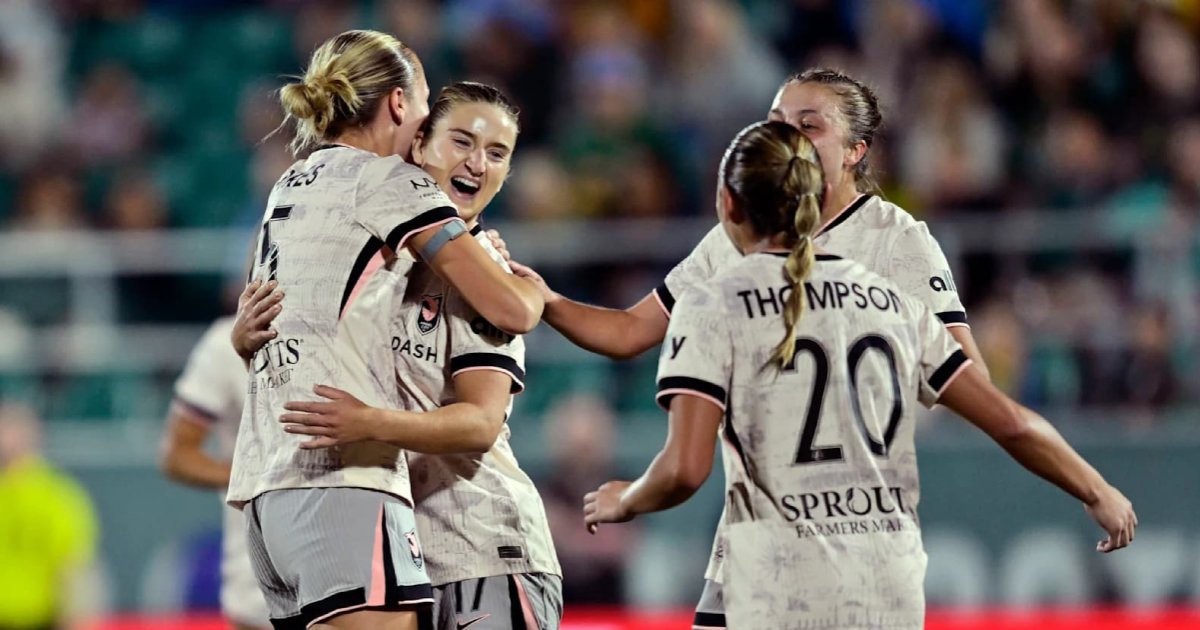
In the case of the 18-team National Women’s Soccer League (NWSL), Reddit co-founder Alexis Ohanian paid a $2-million franchise fee in 2020 to establish Angel City FC. This year, Haslam Sports Group paid $205 million for a franchise, which was up from $165 million paid in November by a group led by Home Depot founder Arthur Blank for the Atlanta City FC franchise. Additionally, Gotham FC re-signed star Sam Kerr earlier this year to a contract that runs through 2030 and played a “Queen’s Classic” game at Citi Field in New York on July 15 before a sold-out crowd of 42,000.
Unrivaled, a three-on-three WNBA-affiliated league founded in 2023, provides equity ownership to players as does Athlos, the women’s professional track and field league that launched in 2024.
“I build [businesses] on 10-year time horizons, so this feels halfway to anything real,” Ohanian said at the recent Paley International Council Summit in New York. “There is a lot of room to grow and there are many opportunities,” including his buying a Los Angeles franchise in League One Volleyball and founding Athlos. “A lot of this will get sorted out during the next five to 10 years because there is only so much free time and attention and there will not be a million women’s sports leagues. But we will see parity [with men’s sports] across a number of professional sports leagues.”
This explosion of activity comes after years of underinvestment, Ohanian said. Now, the industry understands the massive opportunities that exist within women’s sports.
And those opportunities are extending to motorsports, including NASCAR. The racing circuit’s first black women’s driver Dystany Spurlock made her debut this past season in the Automobile Racing Club of America (ARCA) developmental series with sponsorship from New York Giants and Gotham FC co-owner Emily Tisch Sussman. Sussman invested as a part of her “She Pivots” podcast and women-focused media brand.
As a sponsor, Sussman said she had the lug nuts from Spurlock’s car in an October 17 race retrieved and will have them fashioned into jewelry. And, ultimately, sponsorships and licensing partnerships are key, Spurlock said, in noting that a race team typically costs $3 million for a season. Spurlock has also worked with events and media company Foxxtecca on the documentary Driven to Dystany: The Road to NASCAR, which was released on Disney+ and YouTube on February 12.
“The individual stories are the way in and the means for continuing the fandom” for women’s sports, Sussman said. “So, the infrastructure builds the stadiums and stories fill the seats. Women’s sports cannot and should not be built like men’s sports and a women’s league is not going to walk on stage and get primetime coverage. Women’s sports were built up in an era where people want access and humanity and what goes on behind the scenes. People do not just want the numbers; they want to know that story.”