



Strategies Evolve in Response to Under-16 Social Media Bans
By Kassie Seavy
Brands are scrambling to counter the potential loss of a key pipeline for reaching younger consumers as several countries enact bans on children under the age of 16 from using major social media platforms.
A wave of new government restrictions are being implemented in Australia and eight U.S. states, and are being considered in Canada, the UK, and Spain. Additionally, governments in Greece and the United Arab Emirates are implementing bans for children under the age of 15.
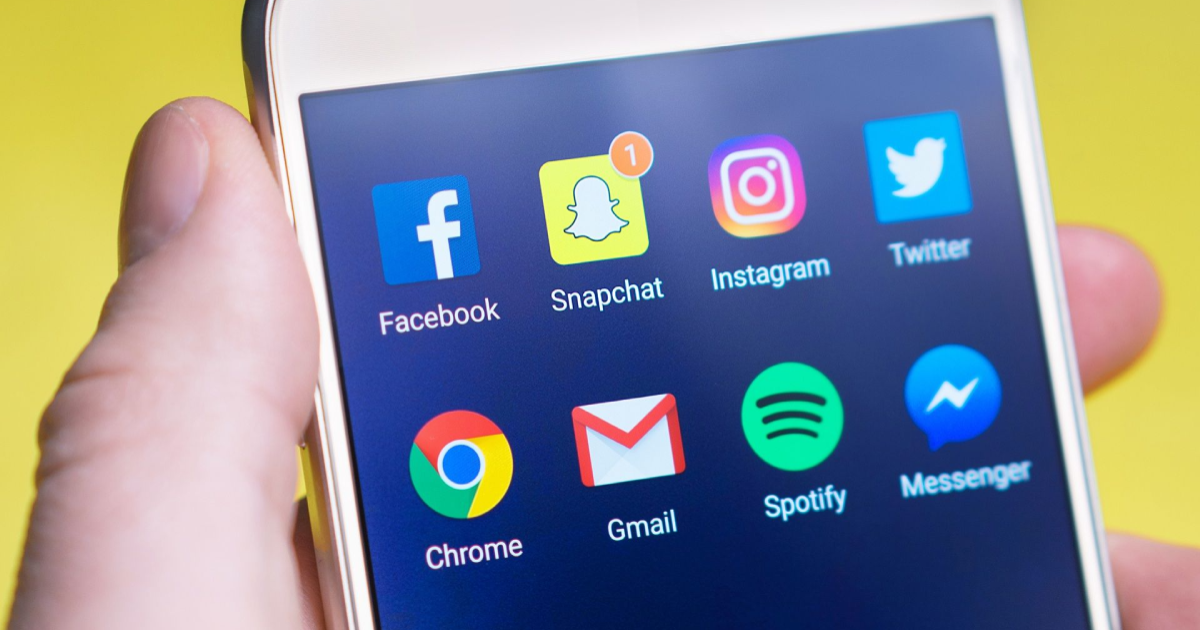
As these new restrictions are rolled out, they will raise questions not only about whether the bans successfully protect children but also what they mean for licensing and marketing business models that rely on social media networks like Facebook, Instagram, Snapchat, TikTok, X, and YouTube.
Social media platforms have competed fiercely for user engagement with the under-16 audience, the oldest of which have little to no memory of a world without smartphones. And for brands that have increasingly relied on cost-effective social media programs for marketing to this demographic, the potential change of course may require a redrawing of strategies.
Licensing professionals have predicted that this shift could turn IP owners’ attention to a greater reliance on brand collaborations, though this strategy is already showing signs of saturation. Alternatively, the industry may increase its focus on retail exclusives or limited-edition drops that boost brand awareness with young consumers.
Marketers, without a direct connection to the under-16 crowd through their phones and tablets, would also need to pivot their focus to parents and guardians who will increasingly control their children’s access to social media. Additionally, there could be a growing spotlight on partnerships with platforms that are exempt from the bans, like educational services or wellness apps.
That leaves the vexing question of how the new laws will be enforced.
In Australia, where the ban took effect in December, platforms took down 4.7 million underage accounts or faced fines of up to $49.5 million if they failed to take “reasonable steps” to prevent access. But, not surprisingly, up to 70% of those under the age of 16 bypassed the restrictions in Australia with fake birth dates, virtual private networks (VPN), or lookalike apps. The new law did, however, shift responsibility to technology companies and gave parents a government-backed means to limit screen time.
For retailers, any social media bans may increase the demand from brand owners for in-store experiences that are not available online. That strategy may focus more on IP-based pop-up displays rather than other, more in-depth location-based entertainment formats, which can be more expensive to deploy. It could also mean retailers become a crucial source for determining a brand’s currency with young consumers and their parents, something that is now typically gauged by social media. And while communities of like-minded fans can be built in stores, their genesis with under-16 consumers typically starts on social media.
“We may have to lean more into collabs, since you can probably break even on the marketing cost by splitting the royalties in the case of apparel,” said JJ Ahearn, Managing Director and Co-Founder of the agency Licensing Street, which represents, among others, Laika Studios, whose film Wildwood is being released October 23. “Location-based experiences can be a capital-intense business, and collaborations and exclusives can keep a brand fresh and relevant. But word of mouth is so important on social media and, if marketers can drive [younger consumers], a physical location is like a honeypot.”