



The Brands Winning with Female Sports Fans
By Mark Seavy
After years of closely mimicking men’s styles, female sports gear is getting a new fit and finish.
This makeover dispenses with the “shrink it, pink it” strategy followed by many suppliers in which apparel was created from a standard male form, shrunk, colored, marketed, and then sold to women. In its place are a growing number of brands creating designs that consider women’s bodies, voices, and perspectives.
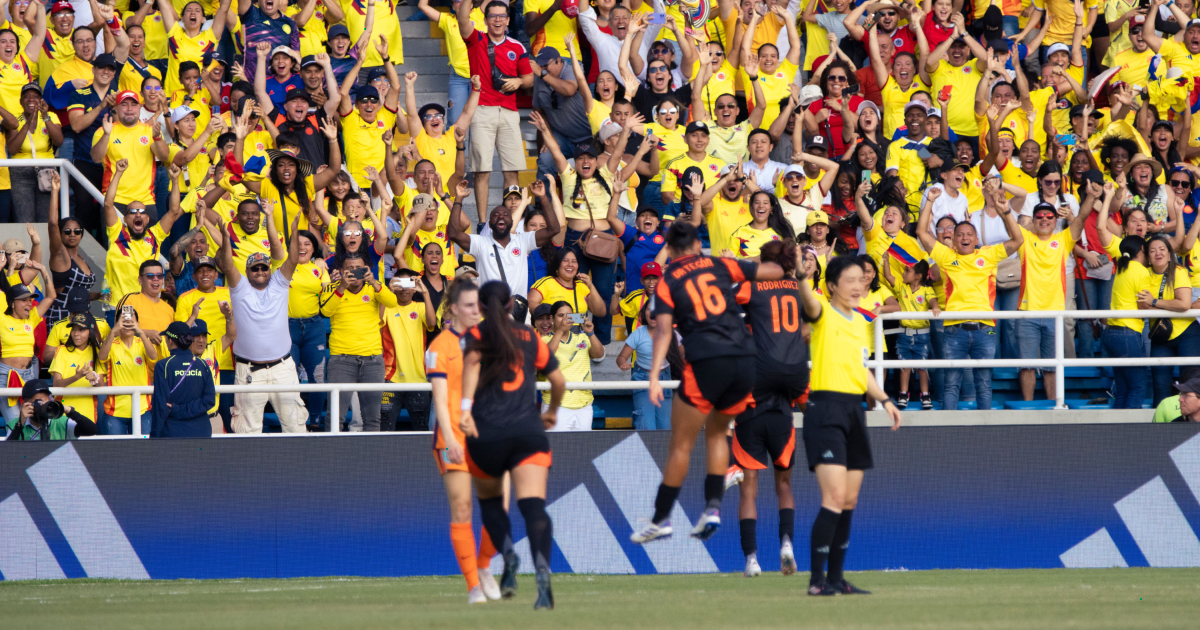
It’s been a steadily growing trend for the past several years, but it has recently picked up speed amid the significant rise in popularity of women’s professional sports leagues like the National Women’s Soccer League (NWSL), Women’s National Basketball Association (WNBA), the Professional Women’s Hockey League (PWHL), and the recently minted Women’s Pro Baseball League, which started play August 1 with four teams and a six-week regular season.
In play is a market with $4 billion in potential value that encompasses 684 million female sports fans globally (including 84 million in the U.S. alone), 60% of whom struggle to find styles they like, according to the Sports Innovation Lab.
“The sizing and fits have been male-centric… and need improvement,” LauraAnn Lamando, Founder of FanGirl Fashionista, said on her company’s website. FanGirl Fashionista targets Name, Image, and Likeness (NIL) deals. “There is a gap between what women are looking for and what is currently in the market. Women understand the why and how sports and entertainment merch is made, but they are frustrated with what’s currently available and want better fit options and styles.”
Those frustrations are being eased by the emergence of brands specializing in women’s fan apparel, including those founded by former players.
Playa Society was founded by Esther Wallace (a former Fairleigh Dickinson University basketball player who also played professionally internationally) and launched a collegiate collaboration with sports apparel supplier Mitchell & Ness. It also has a WNBA line, including a collection with the Washington Mystics’ Shakira Austin and the Las Vegas Aces’ A’Ja Wilson.
Fellow WNBA licensee Round 21, meanwhile, was founded by Jasmine Maietta, a former pro basketball player in Spain. It launched a range that paired actress Marsai Martin, best known for her role in the ABC sitcom Black-ish, with the WNBA. Additionally, women’s underwear brand Woxer is moving into the sports licensing space.
“You are seeing more apparel and accessories in line with their target audience’s fashion and lifestyle interests,” said Rachel Leber, founder of the agency Rebel Licensing, which represents the PWHL and NWSL. “There is now a much bigger breadth in the offering and different lifestyle approaches in that the WNBA is very different from PWHL and the NWSL. They all have their target audiences, and they are building those collections to meet their fans’ interests.”
The collections being created are, at least for now, largely available online and through in-venue sales at the games. And while there have been in-roads at brick-and-mortar retail in terms of products being carried in stores, how it is being merchandised varies by retailer, licensing executives said.
“Women’s basketball is doing really well and it’s coming back in a really big fashion,” Dick’s Sporting Goods CEO Lauren Hobart said. “It’s built around women’s basketball business, whether that’s Sabrina [New York Liberty’s Ionescu], A’Ja [Wilson]… that group of athletes is having a really big impact.”
And there is also the question of funding. FanGirl’s NIL deals with the NWSL Players Association and the Professional Tennis Players Association, which represents men and women, have been paused pending funding for manufacturing, Lamando said. In addition to the women’s pro leagues, the National Football League as well as colleges and universities have made strides with licensees targeting female fans.
“Women are shoppers and if they are going to come a game, you want them to keep coming back and shopping in the stores, so you better have new product every time they come in,” Leber said. “You have some of the newer licensees that are being run by [former players and] they have insight into what other women want. The women’s leagues from the beginning realized they needed to have good quality products that aligned with their target demographic.”